Rats and mice in West Auckland
Which animal you have, why this part of Auckland suits it and how treatment runs.
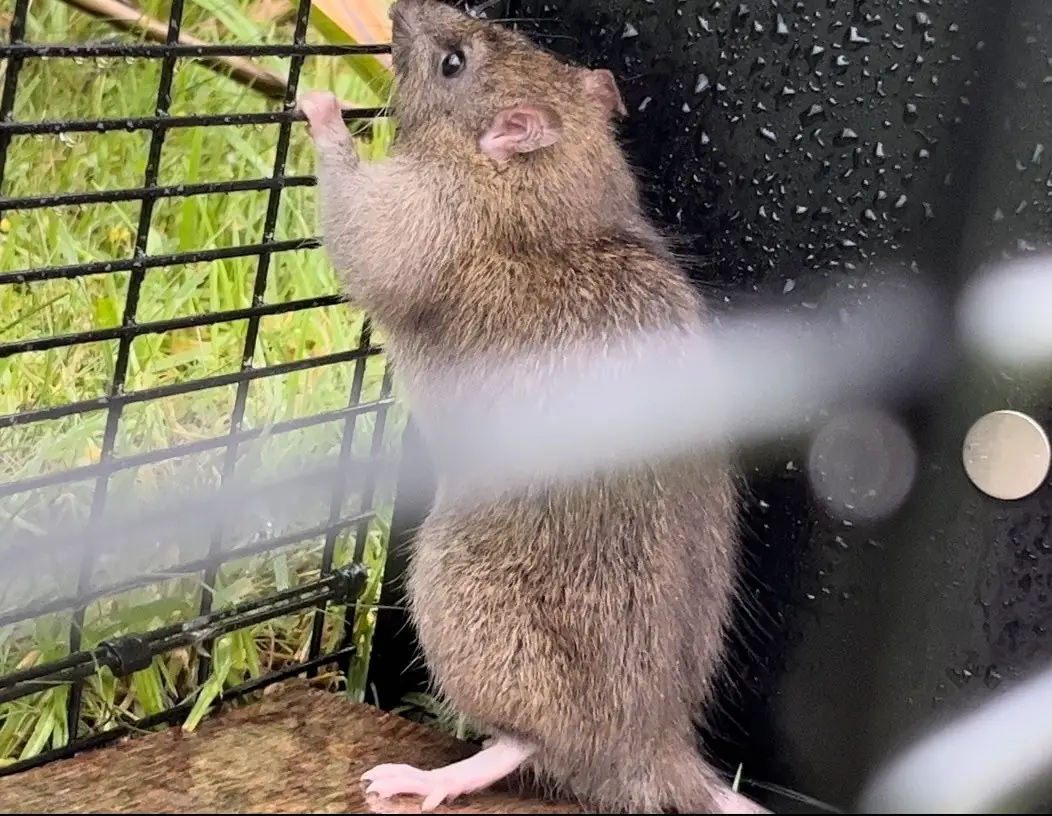
Most calls about rodents start with a noise or a mess, rarely with a sighting. A scratching in the ceiling an hour after dark, gnawed packets in a pantry drawer, a greasy rub mark along a skirting board. The first job is working out which animal you have, because a ship rat in the roof, a Norway rat under the deck and a mouse behind the dishwasher are three different problems with three different fixes.
Three animals, three habits
The Department of Conservation describes the ship rat as the most commonly found rat in New Zealand, a good climber that is widespread in lowland forest. Its tail is longer than its body. That climbing habit is why bush-edge homes in Titirangi, Laingholm and Oratia get rats in the roof space rather than under the house.
The Norway rat is the heavier, blunter animal. DOC puts its body at about 20 cm with a thick tail shorter than the body, and says it is mostly found in urban areas where it follows human activity. In West Auckland that means ground level: drains, compost bins, gaps under decks, the base of a bin enclosure behind a takeaway.
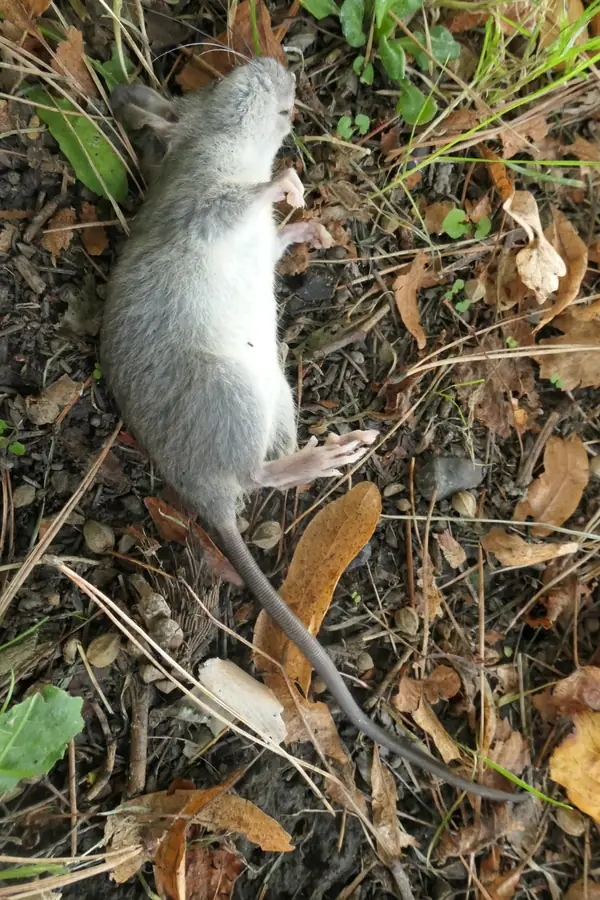
House mice are a different job again. Professional Pest Manager says an adult mouse normally stays within about 10 m of its harbourage when food and shelter are close, produces 50 to 75 droppings a day of roughly 6 mm each, and a female can have 6 to 8 young in a litter and five to ten litters a year. A small colony behind a kitchen wall grows quickly. Our field notes cover telling rat and mouse droppings apart and the differences between ship rats, Norway rats and mice in local homes.
Why West Auckland has more of this than most of the city
Rodents here are not a seasonal visitor. They are resident in the surrounding land, and your house is the warm, dry, well-fed end of a long supply line.
Auckland Council's forest bird monitoring report says the current level of pest control is not enough for bird numbers to improve in the Waitākere Ranges, because ship rats and other mammalian predators are still present.
Source: Auckland Council technical report TR2023/12The Ark in the Park project, which runs pest control across 2,270 hectares of the Ranges, recorded rat footprints in 32 per cent of its monitoring tunnels, the highest figure since the project began in 2002.
Source: NZ Herald, 2019Which likely means that trapping inside the park lowers the pressure but never removes it. Homes along the edge of the Heritage Area, which Auckland Council says covers approximately 27,700 hectares, sit next to a population that refills itself. Creek corridors carry it further in: Henderson alone has about 37 km of permanent stream running through it, according to Auckland Council open data, and rats follow stream planting into suburban sections.
New builds bring their own pattern. Fast-growing places such as Hobsonville, Whenuapai and Swanson have fresh houses on recently cleared ground, with gaps around service penetrations that nobody has had time to seal. We cover the types of property in more detail on the pages for bush-edge homes, harbour and creek-edge properties and new-build estates.
What a treatment involves
Call and callback.
You ring 09 872 7624 or book online. An assistant takes your details and a specialist rings you back to talk through what you have noticed.
Inspection.
A technician checks the roof space, subfloor, garage and outside edges for droppings, runs, rub marks, nesting and the gaps animals use to get in.
Written quote.
You are given the scope and price in writing before work starts, covering bait stations or traps, how many visits, and whether proofing is recommended.
Treatment.
Tamper-resistant bait stations and traps go where activity is, to the product label and under the Hazardous Substances and New Organisms Act. We say what is used and where, so you can keep pets and children clear.
Follow-up and proofing.
Stations are checked, dead animals collected where accessible, and entry points are closed so the problem does not return.
Trapping alone suits a single mouse or a few rats. Baiting suits a larger or repeat problem. Neither is lasting without rodent proofing, and roof-space jobs have their own sequence set out on the page about rats in the roof space. For smaller animals, mouse control explains why placement matters more than quantity. Our safety and products page covers what is used around pets.
What it costs
These are indicative ranges, checked on 17 November 2026 from published Auckland sources, and confirmed in writing after the property is seen.
| Job | Indicative range |
|---|---|
| Standard house, baiting and trapping | about $199 to $300 |
| Large property or heavy infestation | up to $1,000 or more |
| Roof-space treatment, proofing | quoted after inspection |
The lower figure is the start price some operators publish. Moneyhub gives $200 to $300 or more for a standard mouse treatment, and Professional Pest Manager says rodent jobs start at around $250 and can reach $1,000 or more at large properties. We found no reliable published price for proofing or roof-space work as a separate item, so we do not invent one. The full breakdown, with sources, is on the rats and mice price page.
Suburbs where the local picture changes the advice
Each of these pages starts from a documented local fact rather than a template.
- Bush and Ranges edge: Titirangi, Laingholm, Oratia, Piha and Karekare, Swanson, Glen Eden and Henderson Valley.
- Creeks, harbour and floodplain: Te Atatū, Rānui, Avondale, Blockhouse Bay, Massey, Green Bay and Helensville.
- New and growing areas: Hobsonville, Whenuapai, Kumeū and Huapai.
If your suburb is not listed, the West Auckland overview shows all 25 areas we cover and what each has in common with the pages above.
How do I know it is rats and not possums in the roof?
Timing and sound help. Rats are light, fast and scratchy, and active after dark. Possums thump and drag, and are usually heard earlier in the night. Droppings tell you more: rat droppings are small and capsule-shaped, possum droppings are larger and often found in one spot. Our note on signs of rats in the roof walks through it.
Is it safe to use bait with pets in the house?
It can be, when stations are tamper-resistant, placed out of reach and sited where rodent activity is. Tell the technician about every animal on the property, including chickens, which are common in parts of Titirangi and Oratia. The products and precautions are set out on the safety and products page.
Will the rats come back after treatment?
They can if the entry points stay open or the neighbouring bush keeps supplying new animals. Treatment removes what is in the building. Proofing and ongoing monitoring deal with what comes next.
Next step
Ring 09 872 7624 and describe what you are hearing or finding. An assistant takes your details and a specialist calls you back. If you would rather write it down first, use the callback form, and see what happens next for how a visit runs.