Pest control West Auckland
Pest control across West Auckland, from Henderson to Helensville. Call 09 872 7624 or book a callback and a specialist rings you back.
A phone assistant takes your details, then a specialist calls back. Monday to Friday 7:30am to 6pm, Saturday 8am to 2pm.
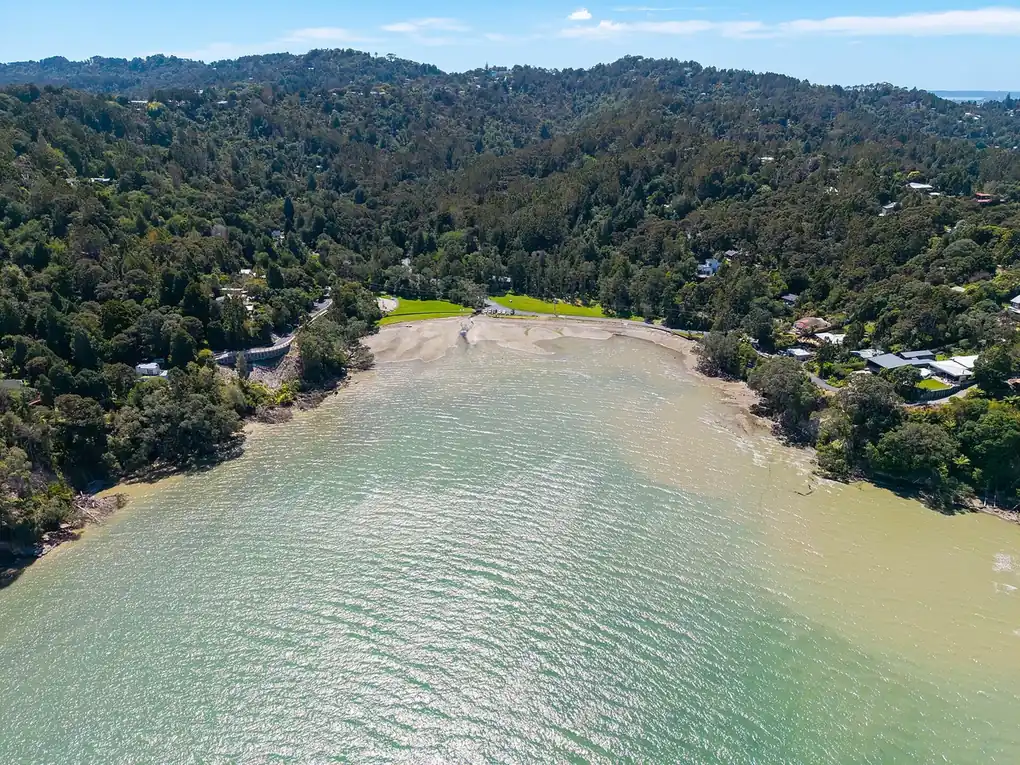
Rats in the roof after a wet week. A wasp nest under the deck that you only noticed when the lawnmower went past. Borer dust under a villa floor you are about to buy. These are the calls that come in from the western suburbs of Auckland, and they have more to do with the ground the houses sit on than most people expect.
We arrange pest control across West Auckland, from the flat streets of Henderson and New Lynn to the bush edge at Titirangi, the vines around Kumeū and the old kauri cottages of Helensville. You ring 09 872 7624 or fill in the callback form. A specialist rings you back, a technician comes to the property, and the quote is put in writing after they have looked.
This page is the map of the whole site. It says where we work, what the local conditions mean for each pest, what the jobs tend to cost and how a call turns into a visit. Every section links to a page with more detail.
Where we work
We are a mobile service. There is no shop to visit and no yard to drive to: the technician comes to your house, flat, lifestyle block or section. The pages below cover 25 areas, and each one is written around what is true of that place rather than a swapped-in name.
The inner and central suburbs: Avondale, Blockhouse Bay, Green Bay, New Lynn, Kelston, Glen Eden, Sunnyvale, Henderson, Te Atatū, Ranui, Massey, Royal Heights and Westgate.
The harbour side and the newer ground: West Harbour, Hobsonville, Whenuapai and Swanson.
The bush and the Ranges: Titirangi, Laingholm, Oratia and Piha and Karekare.
The north-west country: Kumeū, Huapai, Waimauku and Helensville.
If your street is not on the list, ring anyway. The West Auckland overview shows how the area fits together, and a call will tell you whether a technician can reach you.
Why the west has its own pest pattern
The first thing to know is how much of West Auckland is bush. The Waitākere Ranges Heritage Area covers roughly 27,700 hectares of public and private land, and the regional park makes up about 60 per cent of it, according to Auckland Council. Many homes in the west back onto that forest or onto a stream that runs out of it.
Then there is the weather. Auckland Council's freshwater report card for the West Coast area gives a long-term mean rainfall of 1302 mm, with 1416 mm in 2017. That figure covers the whole reporting area, so the foothills and the upper Ranges are likely wetter than the number suggests. Our reading is that damp ground, damp subfloors and shaded south walls all help borer, cockroaches and moisture-loving insects along.
Long-term mean rainfall for the West Coast reporting area is 1302 mm, with 1416 mm recorded in 2017. The longest record in the area is 10 years, taken at Piha.
Source: Auckland Council, West Coast freshwater report cardThe third factor is the mix of housing. West Auckland has 1930s and 1950s weatherboard villas and bungalows, 1970s and 1980s suburbs such as Massey and West Harbour, apartment blocks in Henderson and New Lynn, and fast-growing estates at Hobsonville Point and Whenuapai. Each of those has a different pest story, which is why we write about them separately.
Rats and mice in the roof and the walls
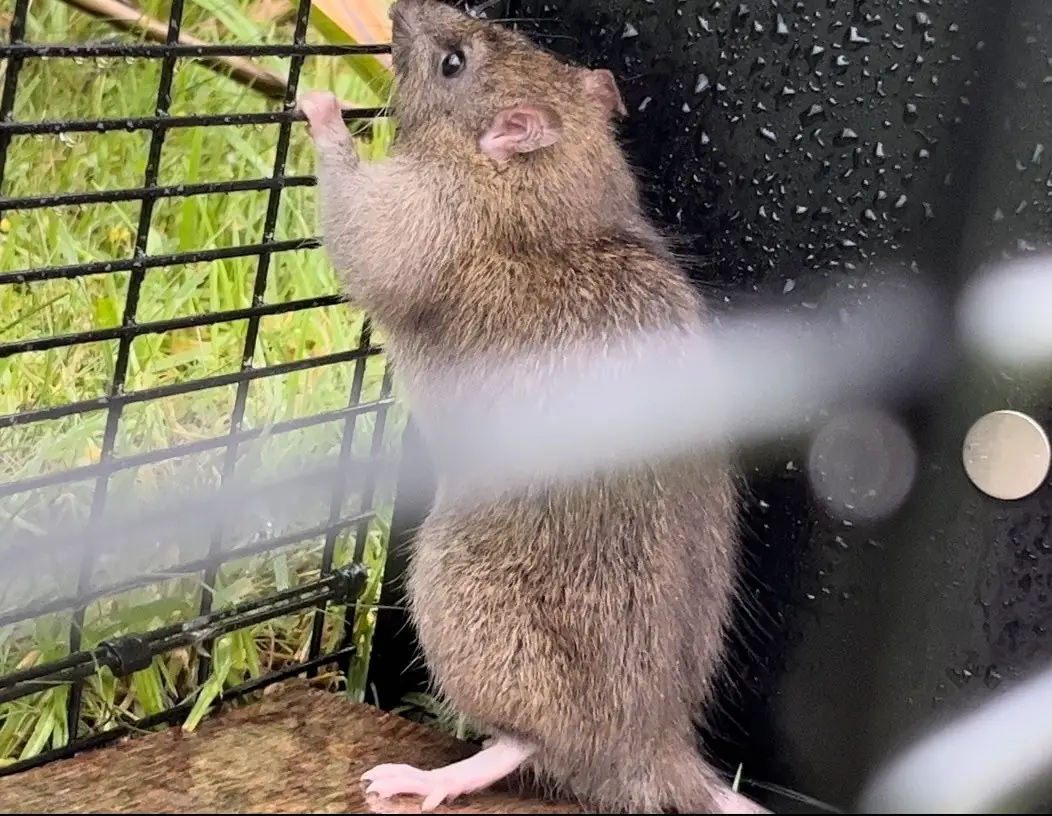
Rodents are the biggest single reason people ring, and the western bush edge explains why. Ark in the Park, run by Forest and Bird with Auckland Council, covers 2270 hectares of the Waitākere Ranges Regional Park. The NZ Herald reported in 2019 that 32 per cent of its monitoring tunnels recorded rat footprints, the highest since the project began in 2002.
Winter tracking found rat footprints in 32 per cent of tunnels, the highest since Ark in the Park began in 2002. The same article reports giant rats seen in Titirangi, which Forest and Bird could not confirm.
Source: NZ HeraldTrapping inside the park does not stop animals walking out of it. Our reading is that the houses along the edge of any large bush block share the pressure, whether or not a volunteer group is working nearby. The rats and mice hub covers the whole job.
Three pages go deeper on specific problems:
- Roof space rats, for scratching at dusk and droppings in the ceiling.
- Mouse control, for the small droppings in the pantry and the one that keeps coming back.
- Rodent proofing, for closing the gaps so the next lot do not move in.
The field notes also compare ship rats, Norway rats and mice, which matters because each one nests in a different place.
Wasps from the Ranges to the vineyards
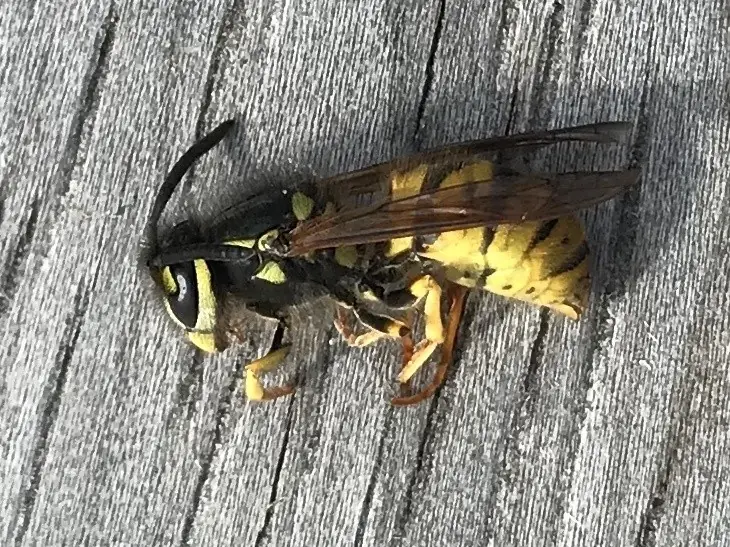
The Department of Conservation says New Zealand has some of the highest densities of German and common wasps in the world. They have no natural predators here, winters are mild and food is plentiful. Auckland Council lists wasps as a sustained-control pest across the whole region.
DOC also records that the world's largest known wasp nest was found at Waimauku, 3.75 metres tall and 1.7 metres wide. Most nests are nowhere near that size, but a colony that survives the winter can grow into something far bigger than the soccer-ball size DOC gives as normal.
Nests in the west turn up in four places more than any other: in a wall cavity or roof void, in a bank or lawn, in hedges and vines, and under eaves as small open combs. The wasps hub sorts out which is which. If you can see one hole with traffic going in and out, read the notes on nest removal and on ground nests before you go near it.
The season matters as well. Why wasps peak in summer and autumn explains the timing, and the orchard and vineyard country page covers the fruit areas around Oratia, Kumeū, Huapai and Waimauku.
Borer in older timber
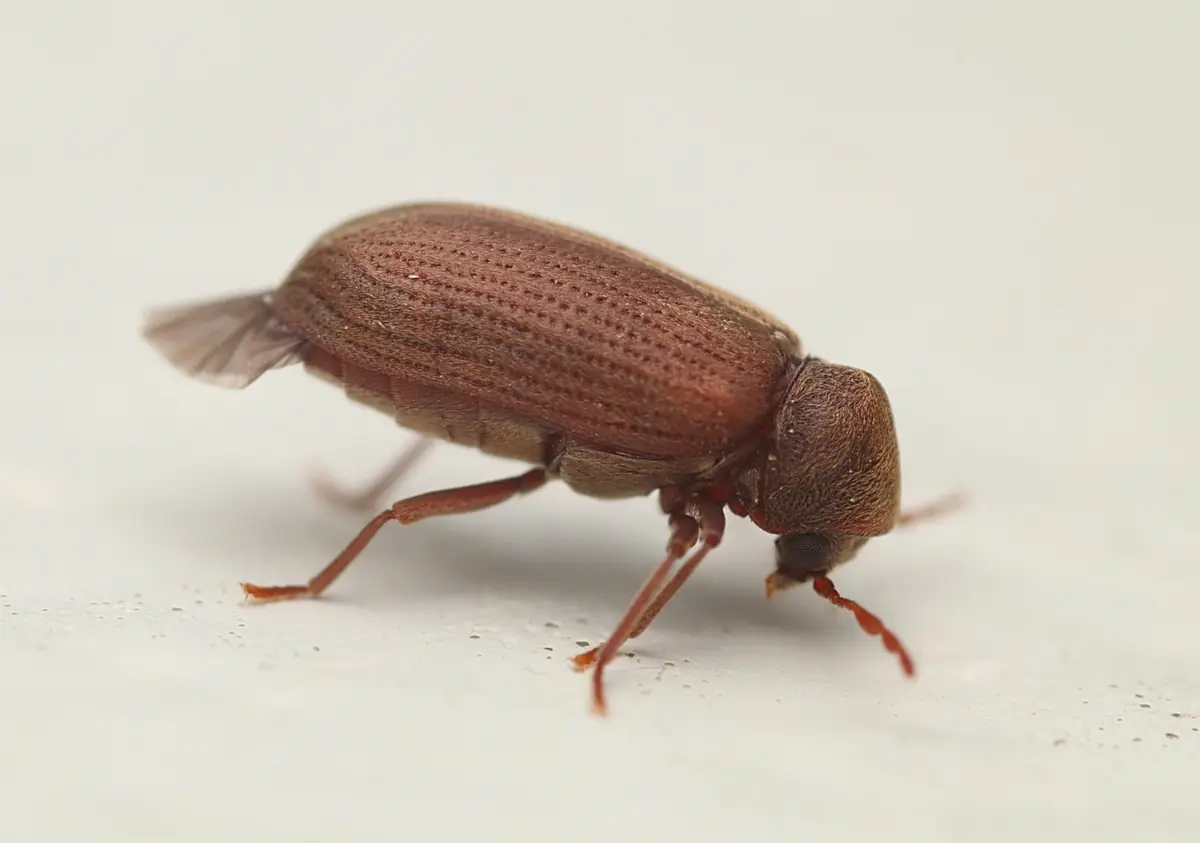
Consumer NZ says the common house borer is the most common of up to seven borer species. It likes moist, untreated timber, is often found on the south side of a building or in floor timbers, and the adults fly for about a month between November and March. The larvae can feed for up to four years. Two-tooth borer, which can last up to 11 years in wood, is more common in bush-clad areas.
Moist untreated timber is where borer settle. South-facing walls and floor timbers are prone to damp, and two-tooth borer is more often found in bush-clad areas.
Source: Consumer NZThat fits much of West Auckland. Titirangi houses were raised on poles so they could be built in the bush without damaging tree roots, according to Wikipedia, and Helensville has old kauri cottages and villas close to its centre. Council open data show 33 hectares of Helensville under the special-character overlay for pre-1944 housing. Our reading is that these are the places where an inspection is most worth having before buying or renovating.
The borer hub explains the options. Two linked pages cover borer inspection and subfloor treatment, and the field notes include one on pre-purchase borer checks.
Cockroaches, ants, spiders, fleas and flies
The smaller household pests make up a steady share of calls, and each follows its own local logic.
Cockroaches are mostly an apartment and kitchen problem. Professional Pest Manager says German cockroaches in apartments need a whole-of-building approach, because movement between units is common and shared plumbing is the likely route. West Auckland has new apartment stock in Henderson, New Lynn, Hobsonville and Westgate, so the building matters as much as the flat. See cockroaches and the page on the German cockroach.
Ants come in with the heat. DOC says Argentine ants are known in many parts of Auckland, measure 2 to 3 mm, and travel in trails five or more ants wide. The ants page covers what to do about the trail, and there is a note on why ants come indoors after rain.
Spiders are rarely dangerous and often alarming. The Avondale spider, a huntsman, is named for the suburb where it first became established, according to Te Papa. See spiders, the Avondale spider page and the field note on white-tails, huntsmen and the Avondale spider.
Fleas usually arrive with pets or with a move into a rental. The fleas page describes treatment, and a field note covers fleas in a rental before you move in.
Flies are a rural-edge and bin problem more than a house problem. The flies page explains what changes numbers before any spray is used.
Four kinds of West Auckland property
Pest problems follow the type of property as much as the suburb. We have written four guides around that.
- Bush-edge homes cover Titirangi, Laingholm, Oratia, Glen Eden, Swanson and Piha, where forest, stream and shade are right next to the house.
- Harbour and creek-edge homes cover Te Atatū, West Harbour, Hobsonville, Green Bay and Blockhouse Bay, plus the land along the Whau and Henderson Creek.
- New-build estates cover Hobsonville Point, Westgate, Massey North, Whenuapai, Swanson and Kumeū, where digging and new planting move pests around.
- Orchard and vineyard country covers Oratia, Kumeū, Huapai and Waimauku.
Pick the one that sounds like your section and read it alongside your suburb page. The suburb page tells you about the place. The property-type page tells you what to look for around the house.
What it costs
We publish price guides because most people want a number before they ring. The figures come from directory guides and from starting prices that operators publish themselves. They are estimates checked on 17 November 2026, and none of them is specific to West Auckland, because we did not find a local price source.
| Job | Estimated range or starting price |
|---|---|
| Rats and mice, standard job | about $199 to $300 |
| Wasp nest above ground | about $100 to $250 |
| Cockroaches, standard home | about $199 to $400 |
| Ants, standard treatment | about $180 to $350 |
| Fleas | wide spread, about $120 to $500 |
| Borer treatment | from $199 as a starting point only |
For everything else, such as roof-space rodent work, proofing, ground-nest wasps, borer inspections and flies, we found no verified price, so the technician quotes after a look. The price guide explains each number and what moves it, and there are separate pages for rats and mice, wasps, borer, ants, cockroaches and spiders and fleas and flies.
How a call turns into a visit
You call or fill in the form.
The number is answered by an assistant, which takes your name, mobile, email, address, the problem and how urgent it is.
A specialist rings back.
They ask about what you have seen and book a time. Calls and callbacks run Monday to Friday from 7:30am to 6pm and Saturday from 8am to 2pm.
A technician visits and quotes in writing.
The quote comes after the property has been seen, and it says what will be done and what it costs.
The work is booked.
It happens at a time that suits you, with product directions explained before anything is applied.
The how we work page explains who does what, including the fact that the treatment is carried out by an independent local operator. The what happens next page follows a job from the first call to the follow-up.
Safety and the rules around the work
Pest products in New Zealand are controlled under the Hazardous Substances and New Organisms Act 1996, and they are applied to their label directions. Our safety and products page covers pets, children, food areas, tenancy and what to do if you think something has gone wrong.
Some situations are not for a phone call to a pest service. If someone has been stung and is struggling to breathe, swelling in the face or throat, or feeling faint, call 111. If you suspect an exotic pest, report it to MPI rather than waiting for a visit. Wasp nests in the ground or in a wall are not a DIY job, and neither is any nest that is larger than a football.
Field notes
The field notes are short guides that sit behind the service pages. They answer the questions people ask before they ring.
- What time of day rats are active and the signs of rats in the roof.
- Wasp nests in vines and fruit trees, for orchard and vineyard country.
- Borer, damp and heavy rainfall near the Ranges.
- Telling New Zealand cockroach species apart.
- House flies, blowflies, bins and compost.
The full list has 20 notes across all the pests we cover.
Common questions
Do you cover my suburb in West Auckland?
We cover the west from Avondale and Blockhouse Bay out to Helensville and Piha. The area pages list the suburbs we have written up, and the overview page shows how they connect. If your street is somewhere in between, ring and say where it is.
Who answers the phone on 09 872 7624?
An automated assistant. It takes your details and passes them on, and a specialist rings you back. If you prefer to type, the callback form collects the same information.
How quickly will someone come?
That depends on the pest and how busy the week is. Wasp nests are usually treated sooner because the risk grows by the day. The specialist who rings you back will give a realistic time when they have heard what you have found.
Is the price I see on this site the price I will pay?
No. The figures in the price guide are estimates from public sources, and not specific to West Auckland. The written quote comes after the technician has seen the property.
Can I treat a wasp nest myself?
Small open combs under an eave can sometimes be handled safely, but nests in walls, roofs and the ground should be left alone. Disturbed wasps sting in numbers, and some people react badly. Read the nest removal page before you decide.
Do you treat rental properties?
Yes. Who arranges and pays depends on the tenancy and the problem, and the safety and products page explains how that tends to work.
What should I have ready when I ring?
The address, a mobile number, what you have seen and where, and when you first noticed it. A photo helps if you can take one safely.
Ring or book a callback
If you have a problem now, ring 09 872 7624. If you would rather write it down, use the callback form and a specialist will ring you back. You can also read the call or write page for the other ways to reach us, or browse the price guide first.
Pests we treat
Rats and mice
Which animal you have, why this part of Auckland suits it and how treatment runs.
Wasps
Wasps in West Auckland homes: how to recognise the problem, what a treatment involves and what the work tends to cost.
Borer
Borer in West Auckland homes: how to recognise the problem, what a treatment involves and what the work tends to cost.
Ants
Ants in West Auckland homes: how to recognise the problem, what a treatment involves and what the work tends to cost.
Cockroaches
Cockroaches in West Auckland homes: how to recognise the problem, what a treatment involves and what the work tends to cost.
Spiders
Spiders in West Auckland homes: how to recognise the problem, what a treatment involves and what the work tends to cost.
Fleas
Fleas in West Auckland homes: how to recognise the problem, what a treatment involves and what the work tends to cost.
Flies
Flies in West Auckland homes: how to recognise the problem, what a treatment involves and what the work tends to cost.