Rats and mice in Oratia
Oratia residents can borrow rat traps for free, which tells you something about the pressure. Here is what that means for the house, the shed and the orchard tree.
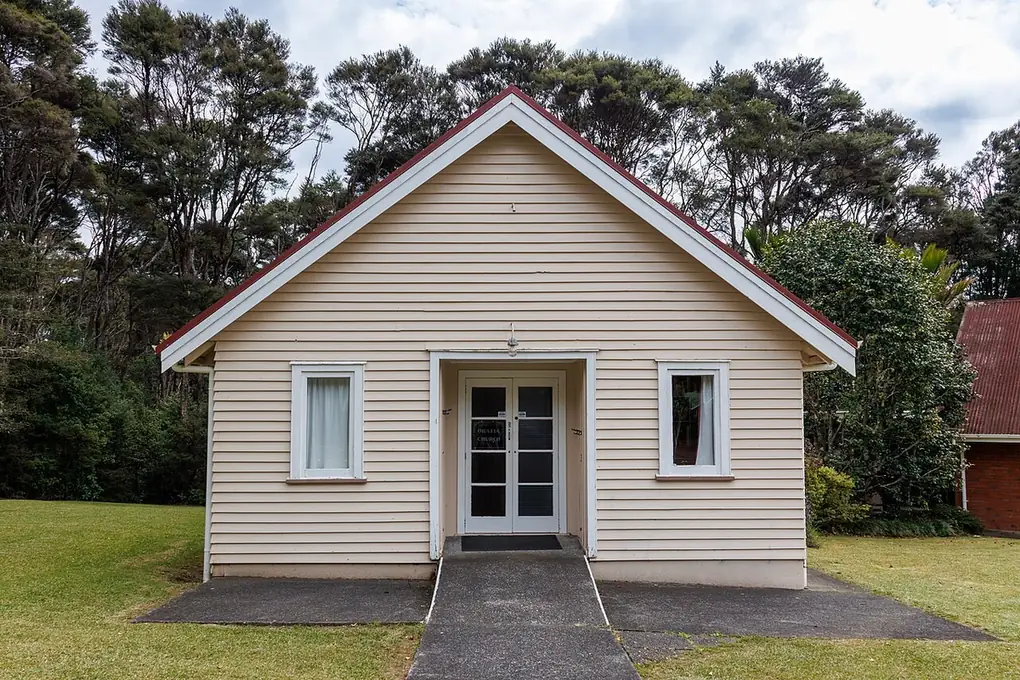
There is a trap library in Oratia. Not a hardware shop, a library: you borrow a rat trap, bring it back, and the people running it are volunteers.
Pest Free Waiatarua, tagged to Waiatarua and Oratia, runs a trap library with rat, possum, stoat, weasel and ferret traps that locals borrow free. It also runs wasp blitz weekends and is supported by EcoMatters, Auckland Council and the Waitākere Ranges Local Board.
Source: Pest Free Waitākere Ranges AllianceA group does not stock stoat and ferret traps for a place with no predators. Oratia is rats, possums and mustelids territory, and the volunteers know it.
A catchment, not just a suburb
Oratia covers 954 ha by council's boundary. About 419 ha is in a Significant Ecological Area overlay, 77 ha is mapped flood plain and 36.1 km of permanent stream runs through it (measured 17 November 2026; boundaries are generalised).
Source: Auckland Council open dataThe Oratia Stream catchment covers a large part of the area and flows toward Henderson, according to Wikipedia. That makes the stream a delivery route. Rats do not need to cross a road to reach a house here, they follow the planting along the water, then the hedge, then the shed. A separate Oratia and Waiatarua Native Wildlife Project, a sub-committee of the ratepayers association, has a pest control sub-committee of its own, which is another sign this is a recognised local issue.
Sheds, glasshouses and the back section
Oratia is semi-rural. The Slow Food Foundation notes a long history of orchards and vineyards, that many of the orchards have gone, and that old orchards and private gardens still have fruit trees. Fallen fruit and compost heaps feed rodents in autumn, and larger sections mean more outbuildings.
Our reading of how that shapes the work:
- Outbuildings are first-line targets. A garden shed, pump house or garage storing seed, pet food or bird feed holds a population long before the house does.
- Rats move between the shed and the house. Treating the house alone, with a shed full of feed at the back, tends to fail.
- Fruit drop is a timing issue. Collect windfalls, and do not leave them under trees overnight.
- Coverage is wider. A larger section means more stations to cover the area and more checking, and the quote reflects the property.
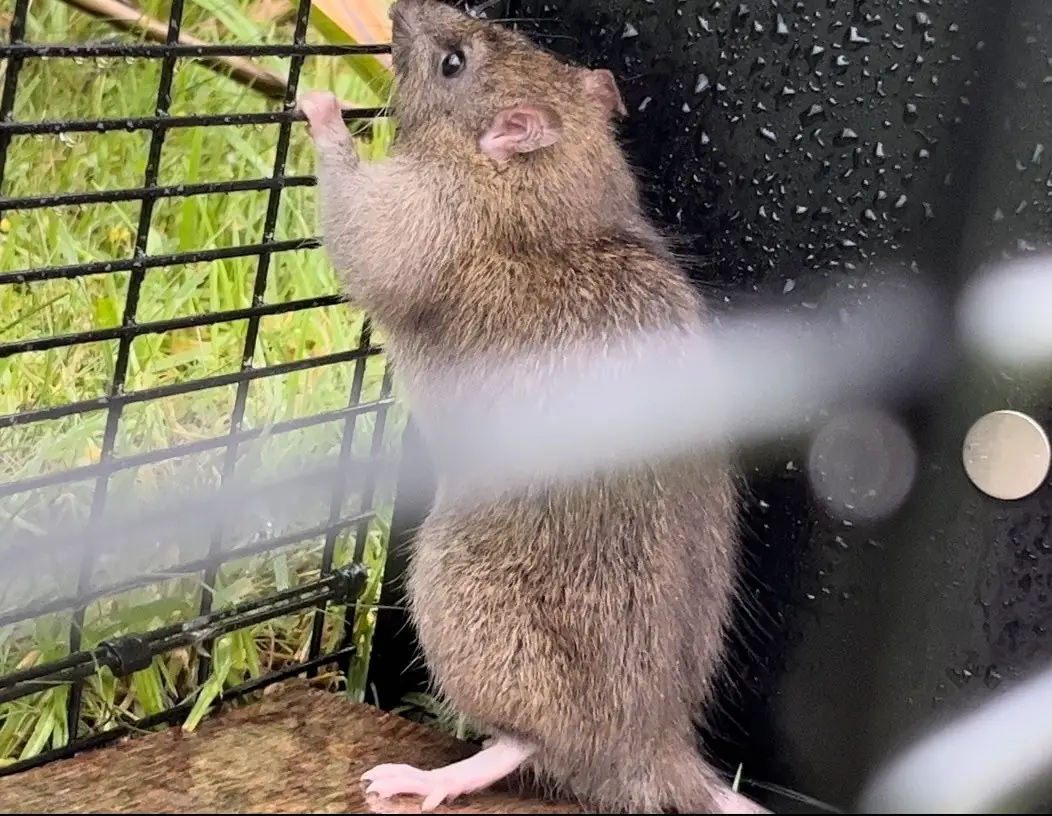
The Department of Conservation says the ship rat is a good climber and common in lowland forest, which is why the house roof space is the other usual site. See rats in the roof space.
Borrowing a trap versus booking a visit
Both can be sensible. If you have heard one rat and want to try a trap, the library is a good place to start. When the sound is persistent, when droppings appear in the roof space, when you cannot tell rats from possums, or when you are dealing with a shed full of seed, a technician places tamper-resistant stations to label directions and checks them. If you do both, tell us which traps are already out so nothing is set twice.
Costs
For a standard house, published Auckland sources put rodent work at about $199 to $300, and larger or severe jobs at $1,000 or more (checked 17 November 2026). Semi-rural properties often fall toward the upper end because of area. All the figures and sources are on the price page for rats and mice.
Does the trap library replace pest control?
It helps. It does not seal the roof or find the shed colony. Many households use both.
Is Oratia only a rat problem?
Wasps matter here too, and the same group runs blitz weekends. See wasps in Oratia.
Book a visit
Start with the rats and mice hub for how jobs run, or the Oratia suburb page. To arrange an inspection, call 09 872 7624 and an assistant takes your details for a specialist callback, or leave them on the callback page.
Sources for this page
Where a source describes the place rather than pests, the pest relevance is our own reading.