Pest control in West Harbour
Reserves, a stream gully and a marina, but few pest records.
A suburb with few records
No local trapping group, news report or council survey that we found names a pest in West Harbour. So we have no suburb page for rats here, and this page keeps to what the maps and the region's pest sources say, with the gaps flagged.
What the suburb is made of
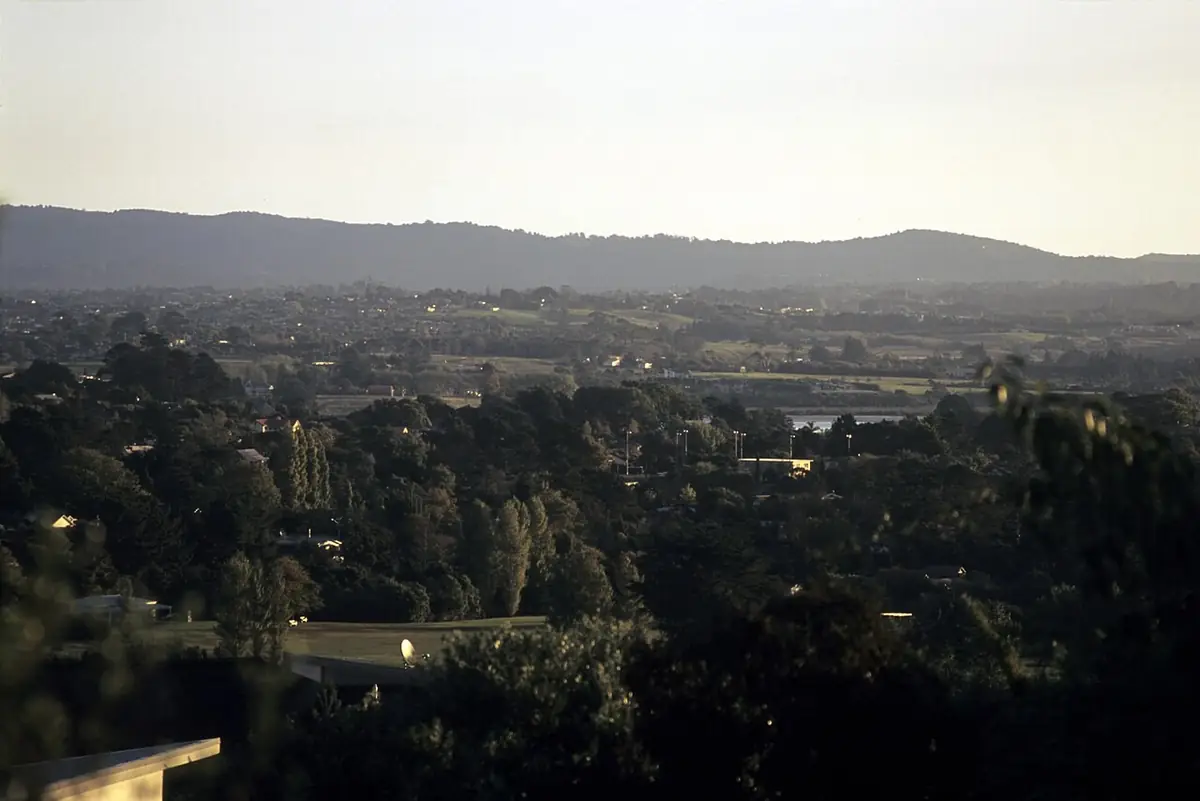
Wikipedia says most of West Harbour was developed in the 1980s and 1990s, with 3,471 dwellings at the 2023 census. It lists many public reserves, including Manutewhau Walk Reserve, native bush along the Manutewhau Stream, a ferry terminal and Hobsonville Marina with about 600 boats.
Open data from Auckland Council, taken on 17 November 2026, adds the shape: inside a 414 ha boundary, 19 ha of flood plain, 16 ha of Significant Ecological Area overlay and 6.4 km of permanent stream. The zones are 172 ha of Mixed Housing Suburban, 67 ha of Mixed Housing Urban and 34 ha of Future Urban land still to be built on, with 15 notable trees scheduled.
West Harbour's boundary is about 414 ha, with 19 ha of flood plain, 16 ha of ecological overlay and 6.4 km of permanent stream. Suburb boundaries are approximate.
Source: Auckland Council open data, base zones, flood plains and streamsWhere rats would come from
The gully reserves and the stream bush are the likely routes, which is our reading. A suburb of 1990s houses next to a stream gully has the same set-up as many in the region: a wooded strip, back fences and a lot of garden. There is little overlay habitat compared with the bush suburbs (16 ha against hundreds), so we would not expect a Titirangi-style roof-space problem. Rats here more likely look like the urban kind.
DOC says the Norway rat is more typically associated with human activity and found in urban areas, while the ship rat is the common forest and roof species. Which one you have decides where to look. The ship and Norway rat explainer and the page on what time of day rats are active help you work out which.
The ship rat is the most commonly found rat in New Zealand and a good climber. The Norway rat is more typically associated with human activity and found in urban areas.
Source: Department of Conservation, ratsA marina and a harbour edge
The marina draws boats, and boat yards, rubbish areas and coastal edges can all give rats somewhere to live. We cannot cite a source that links them to West Harbour, so this is only a reason to look at bins and storage near the water. The wider logic for properties beside harbour margins is on the harbour and creek edge page.
A new-build note
The 34 ha of Future Urban zone suggests more building to come. Construction disturbance moves rodents, which is why people sometimes see more rats when a neighbouring block is cleared. See new-build estates for the pattern, with the caveat that it is general, not a West Harbour record.
What to do if you see signs
- Work out whether the noise is in the roof or at ground level.
- Look for droppings, gnawing and greasy rub marks on beams.
- Block obvious gaps and remove food access before baiting.
- Call for a visit if signs continue for more than a few days.
The rodent hub explains how a treatment is run and the rodent proofing page covers sealing.
Price guide
Rat or mouse treatment is about $199 to $300 for a standard house, and more for large or complicated jobs, per ranges published to 17 November 2026. The rats and mice price page lists them.
Nearby
Hobsonville is next door, with Whenuapai, Massey and Westgate a short drive away. The full list of suburbs is in the western overview, and the home page covers each pest.
Speak to someone
Phone 09 872 7624 and tell the assistant the address and what you saw. The callback form is the same thing online, and a specialist rings back either way.
Sources for this page
Where a source describes the place rather than pests, the pest relevance is our own reading.