Flies in West Auckland
Flies in West Auckland homes: how to recognise the problem, what a treatment involves and what the work tends to cost.
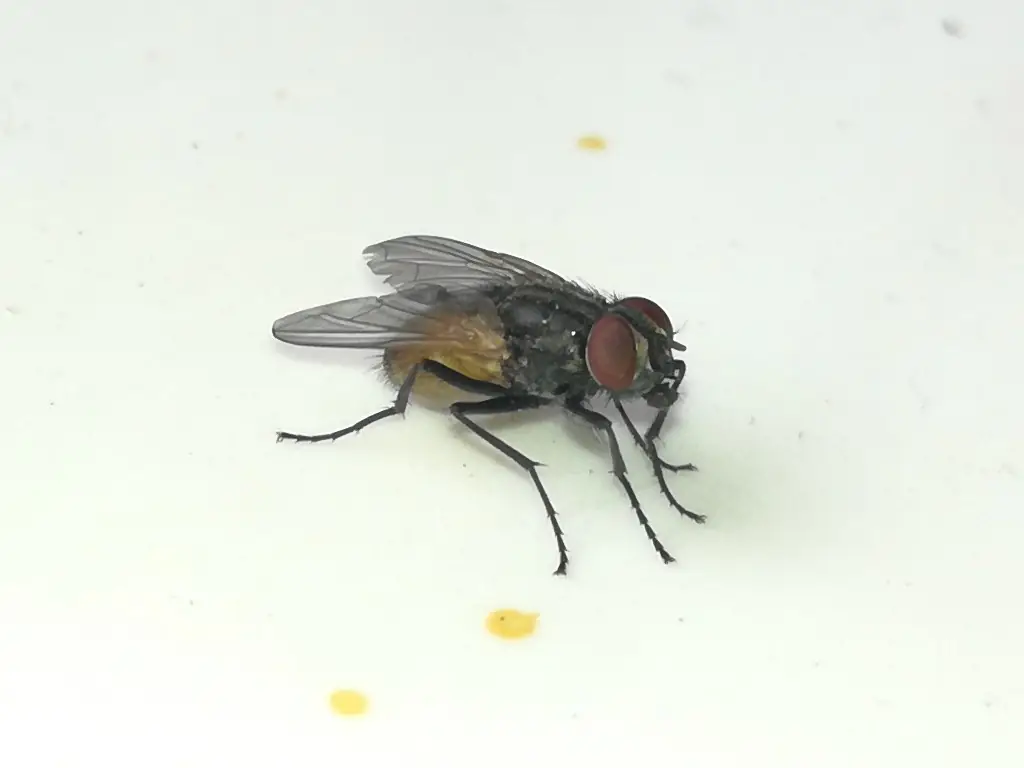
Flies are the one pest where the best advice is often about rubbish, not insecticide. A swarm around the back door usually has a source within a few metres: a bin lid that does not seal, a compost heap that has gone wet or something dead in a wall. Finding it is most of the job.
This page sets out how we handle fly problems around West Auckland, where we are honest about the limits. We have no local fly data and no verified price for fly work, so we say so below. For the other pests we arrange, start at pest control across West Auckland.
Which flies are they
Three groups account for most calls:
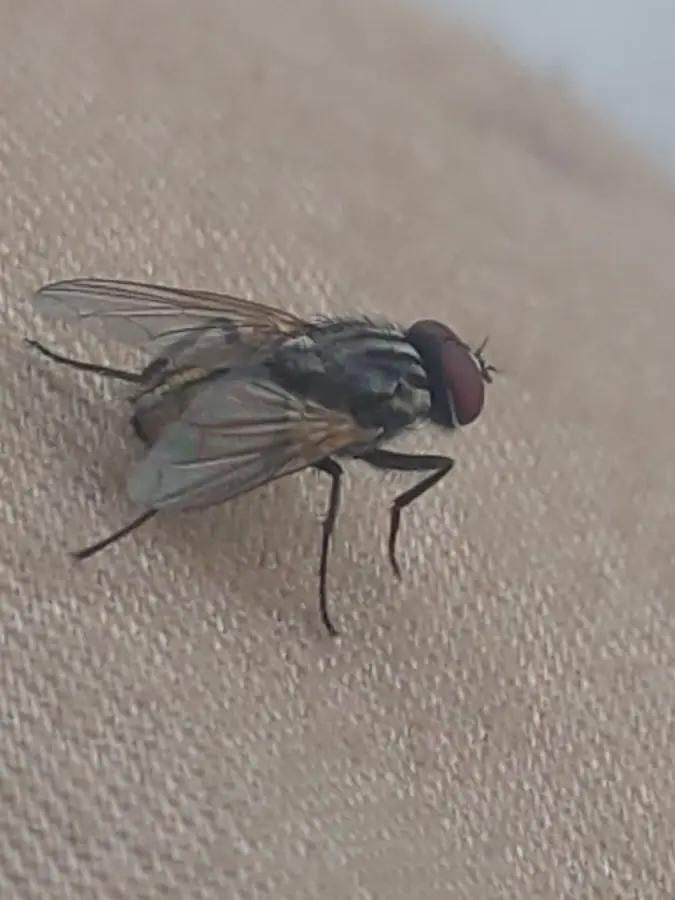
- House flies, grey with four stripes on the thorax, which breed in rotting food, animal droppings and wet compost;
- Blowflies, larger and metallic blue or green, which are drawn to meat, pet waste and dead animals, including a dead rat or possum in a wall or roof;
- Small flies, such as fruit flies and drain flies, which live around ripe fruit, drain biofilm and damp organic residue.
Which group you have decides everything else. The field note on house flies, blowflies, bins and compost goes through each one and the changes that cut numbers before any treatment.
Rural and lifestyle properties
The place where fly pressure tends to be heavier is rural West Auckland, because animals, feed and manure all draw flies. Auckland Council's Unitary Plan describes the Mixed Rural zone as often having a history of horticulture, viticulture, intensive farming and equine activities, and the Countryside Living zone as low-density rural lifestyle dwellings and farmlets.
The Mixed Rural zone often has a history of horticulture, viticulture, intensive farming and equine activities. The Countryside Living zone provides for low-density rural lifestyle dwellings, farmlets and horticultural sites, generally closer to urban Auckland or rural and coastal towns.
Source: Auckland Unitary Plan, chapter H19 Rural zonesOur reading is that animal feed, manure and compost on those properties give flies more places to breed. That is an inference from land use. We have no counts of fly numbers for Kumeū, Huapai, Waimauku or Helensville, and we don't pretend otherwise. If you live in those areas, the orchard and vineyard country page and the suburb pages for Kumeū and Waimauku describe the setting.
Look for the source first
A technician can spray a fly-covered wall, but if the source keeps producing flies, numbers rebound within days. Our first questions are about the source:
- Is there a bin, compost heap or dog run within a few metres of the door?
- Does the smell come from a wall, ceiling or subfloor? A sweet, heavy smell with a steady stream of large flies is often a dead animal.
- Are the flies small and hovering near drains or fruit?
- Did it begin after rain, a power cut or a freezer failing?
You can often answer these in ten minutes, and the answers decide whether the job is cleaning, a clean-out of a roof void or treatment.
What a visit covers
Callback.
An assistant takes your details, and a specialist asks about timing, flies and smell.
Site check.
A technician looks for breeding sources, entry points and resting surfaces, such as sunny walls and eaves.
Written quote.
The scope is agreed before any treatment.
Treatment.
Where it is useful, a residual treatment on resting surfaces and a plan for the source. Products follow the label. Details are on safety and products.
Source work.
Where a carcass or damp organic waste is responsible, removal comes first. If a dead rat is in the roof, the roof-space rat page explains the related job.
What you can change at home
Tight-lidded bins, washed out every couple of weeks, remove a lot of fly breeding. Bag nappies and pet waste. Turn compost and add dry material to a wet heap. Wash pet dishes. Put screens on windows and a fly strip or sealed trap in the room with the problem. Gaps under doors and torn insect screens let flies in, so repair those.
Cost
We have no fly-control price from any source we checked, so we cannot publish a range. Rather than guess, we say this: the specialist quotes after a look, because a swarm from a hidden dead animal, a rural property with several sources or a commercial kitchen are very different jobs. Our price guide's fleas and flies page explains what moves a quote and where we have no figure.
Why do I get so many flies in summer?
Warm weather speeds up the breeding cycle, and rubbish and compost break down faster. It takes only days for a batch of eggs to become adult flies.
Are flies dangerous?
They can carry germs from waste to food, so keeping them off food matters. Cover food and keep bins sealed.
Could the flies be coming from inside a wall?
Yes. A sudden group of large blowflies in one room, particularly with a smell, can point to a dead animal in the wall, ceiling or subfloor. Tell the specialist so the right person is sent.
Call about flies
Phone 09 872 7624, where an assistant takes your details for a specialist callback, or book a callback. Mention where the flies gather, the smell, and whether you have animals or compost nearby. If you want to see how a job runs, read how we work.