Rats and mice in Huapai
Huapai started life as 10-acre fruit plots and ended up a suburb with a third of its land on flood plain. Both parts of that history show up in how rodents use it.
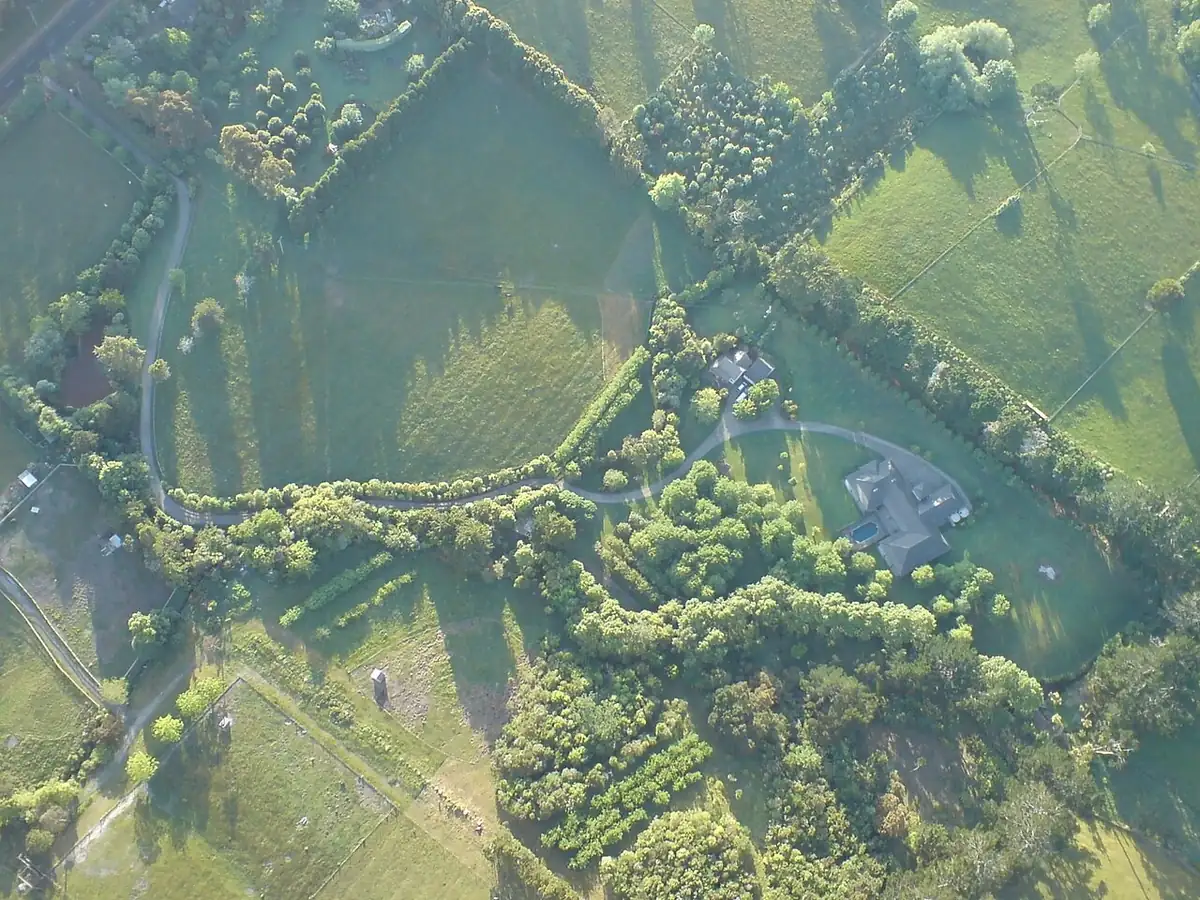
Not every suburb has a founding story that bears on rats, but Huapai's does, even if only a little.
The first Huapai Estate sections were sold in 1914 as 10-acre plots, marketed as Auckland's Suburban Fruit Colony. The article also says industrial firms began opening in Huapai and Kumeū in the 1970s as the two villages merged into one urban area. The article cites Dunsford 2002 and the LINZ gazetteer.
Source: Wikipedia, HuapaiWe rely on Wikipedia here and have not fetched the underlying sources, so read these as background and not as findings.
What that layout leaves behind
Our reading: a district divided into 10-acre blocks for fruit leaves a pattern of larger sections, older trees, outbuildings and hedgerows, even after subdivision. Fallen fruit and compost feed rodents. Old sheds shelter them. A house in this pattern rarely has a tight boundary, so the rat or mouse population on the section sits in the same space as the garden and the garage.
On modern infill plots in the same area, the opposite applies. A smaller section with a new house and shared fences loses the shelter but gains neighbours' bins and compost.
Flood ground
Of Huapai's 252 ha, 76 ha, about 30%, is mapped as flood plain, 28 ha is in a Significant Ecological Area overlay and 7.4 km of permanent stream runs through it (measured 17 November 2026, boundaries generalised).
Source: Auckland Council open dataRNZ describes the Kumeū and Huapai area together as having a repeated history of flooding, with the low-lying town centre the main concern. That article is about Kumeū's centre, so the Huapai link is the shared river system and not a Huapai-specific finding. Our Kumeū rats page goes into what floods do to rodents. In brief, water pushes animals out of drains and low ground and into higher buildings.
Mixed use: homes next to industry
The 1970s industrial growth the article describes matters because food businesses, storage yards and workshops are rodent sites in their own right. A house on the edge of an industrial area sees spill-over, which is more likely if a neighbour's waste is left out. We have no Huapai data on this and note it as an expectation only.
Putting it together
For a Huapai home, the places we check first are:
- the outbuildings, since an old shed is the usual hub on a larger section;
- fruit trees and compost, where windfalls and kitchen scraps feed activity;
- the low side of the property after heavy rain, where displaced animals arrive;
- the fence line to any commercial neighbour;
- the roof, if trees touch it.
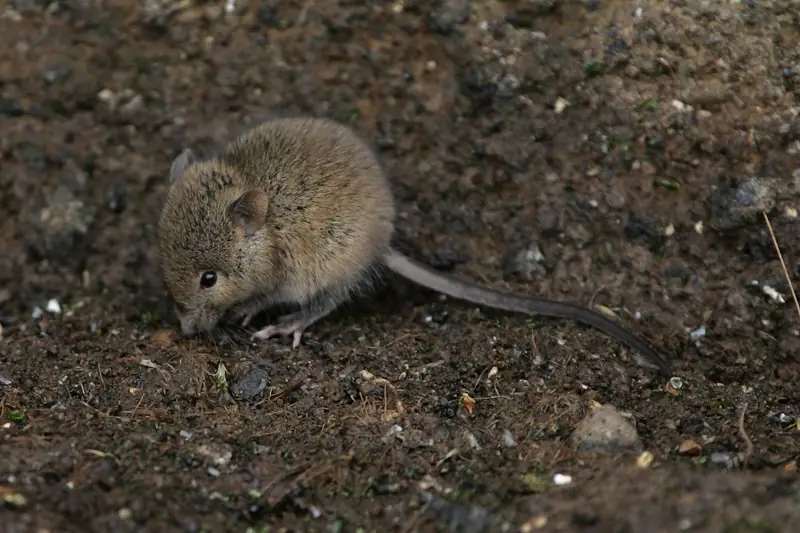
The Department of Conservation describes the ship rat as a good climber and the Norway rat as mostly urban, so we expect both depending on the block.
Price and process
A technician walks the outdoor structures first, then the house, and quotes in writing. Published Auckland sources give about $199 to $300 for a standard house and $1,000 or more for large jobs (checked 17 November 2026); see the rats and mice price page. Rodent proofing follows.
Simple jobs that help
On a larger Huapai section, put compost in a closed bin and keep the heap off the house wall. Pick up windfalls weekly. Store feed, seed and pet food in hard containers, and raise firewood off the ground. Check sheds and outbuildings for fresh droppings every few weeks, since an established colony there is the likeliest source of what you hear in the house. A written note of dates and places is useful to the technician.
Are fruit trees a reason to expect rats?
They are a reason to manage windfalls. Clear them regularly.
I am in a new subdivision here. Does the old fruit-colony story matter?
Less. For a new house, check gaps around services and the garage.
Next step
The Huapai suburb page has the wider picture, and the page on orchard and vineyard country covers similar land. The overview of rats and mice explains how treatment runs. Call 09 872 7624. An assistant takes your details for a specialist callback, or use the callback form.
Sources for this page
Where a source describes the place rather than pests, the pest relevance is our own reading.