Rats and mice in Green Bay
Year 13 students from Green Bay High School checked a trap line in May 2024 and caught three rats and a possum. That line is in Waima, so it is the nearest evidence we have and not Green Bay's own.
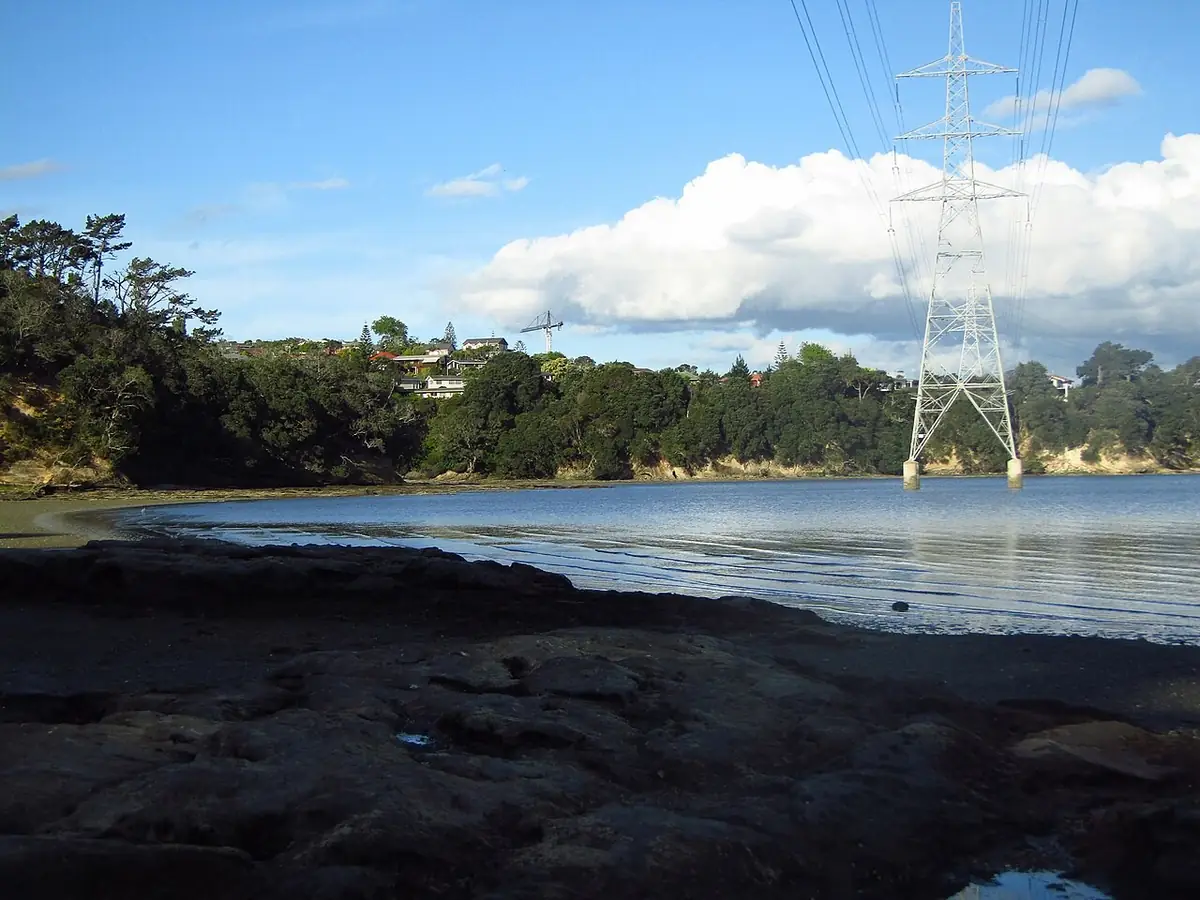
A trap line is a good measuring stick, so long as we are honest about where it is.
A Waima to Laingholm Pest Free trap line on Exhibition Drive was checked by Green Bay High School Year 13 students on 23 May 2024: three rats and a possum were caught. The school says its students check the line under a Te Kawerau ā Maki rāhui permit. The line is in Waima-Laingholm, not Green Bay itself.
Source: Green Bay High School, Term 2 2024So there is no Green Bay trap line to cite. What there is, is a school on Godley Road whose students handle traps in the Ranges fringe nearby, and find rats there. The point for a Green Bay household is that the nearest documented rats are in the bush edge close by. Our page on rats in Laingholm gives that group's wider picture.
The suburb's own ground
Green Bay covers 215 ha. About 41 ha is in a Significant Ecological Area overlay, 18 ha is mapped flood plain and 6.4 km of permanent stream runs through it. Zoning includes 78 ha Mixed Housing Suburban, 36 ha sport and active recreation, 29 ha Large Lot and 28 ha Mixed Housing Urban (measured 17 November 2026, boundaries generalised).
Source: Auckland Council open dataAbout a fifth of the suburb is in ecological overlay, and there is a good amount of green space and stream. The suburb's beach lies on the Manukau side and is part of the Karaka Park coastal walk, according to Wikipedia, which counted 1,947 dwellings in 2023.
Our reading
Green Bay is a small coastal suburb of mostly ordinary suburban houses with reserve and stream edges. We would expect:
- A modest ship rat presence on the bush side, where large trees meet roofs.
- Norway rats along streams and coastal scrub, which the Department of Conservation links to urban areas and human activity.
- Mice in kitchens and garages, as in any suburb, with no data suggesting Green Bay is unusual.
None of this is measured for Green Bay. It is a reading of the land. If you have heard something, the evidence from your own house outweighs any of the above.
The sports ground factor
With 36 ha zoned for sport and active recreation, many streets back onto open grass, clubrooms and car parks, where bins and food waste are everyday. Rats go where food is, and these sites are close to houses. We do not know of any problem at any particular ground, and we mention it only as a setting.
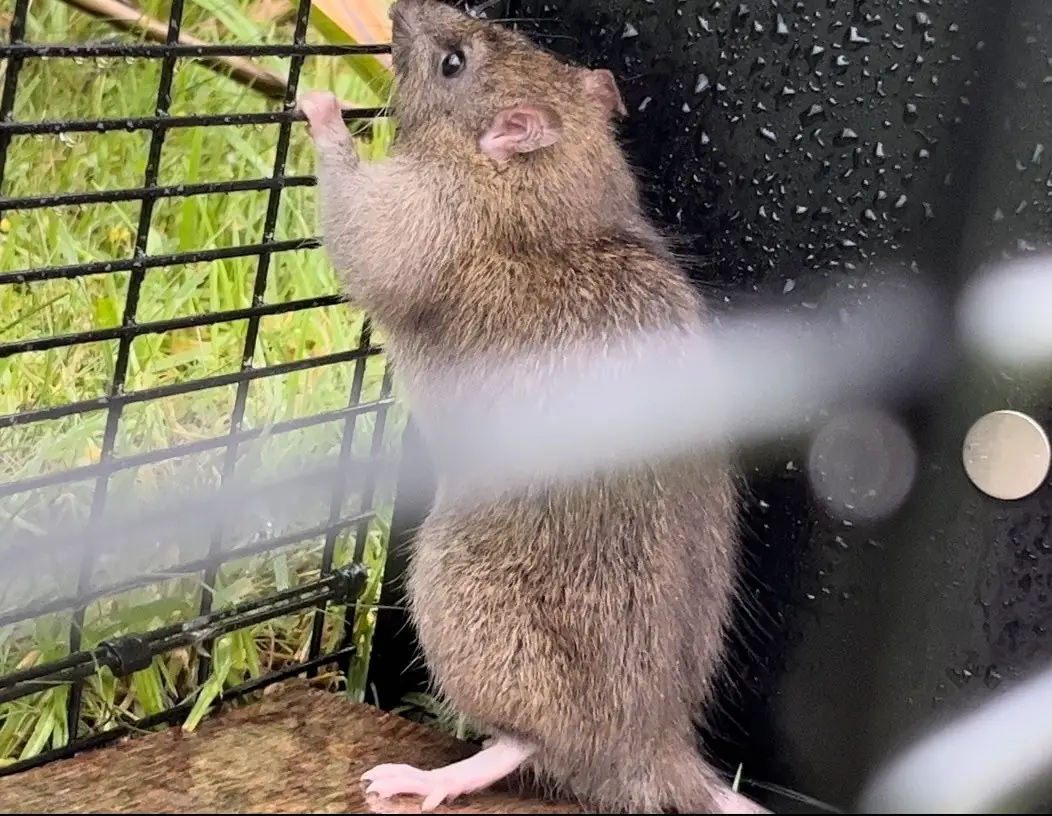
What a visit covers
A technician checks the exterior edges, the garage, the subfloor and the roof, and gives you the quote in writing. Published Auckland sources put a standard house at about $199 to $300 and heavy or large jobs at $1,000 or more (checked 17 November 2026). The rats and mice price page has the sources. After treatment, proofing is what keeps the problem from returning.
Before you call
A few minutes of looking makes the visit shorter. Walk the outside of the house at dusk and note where the grass is long against the wall, where firewood or rubbish is stacked, and where a downpipe or a vent ends close to the ground. Look in the garage for gnawed packaging, and in the roof space, if you can reach it safely, for droppings along the beams. Write down what you find and roughly when you first noticed it. Our note on what time of day rats are active helps you match a sound to an animal.
Does the school trap line mean Green Bay has a rat problem?
It means rats are present in the Ranges fringe nearby. For your house, an inspection is the better evidence.
Should I check after storms?
Yes, particularly if you are near a stream. Look for new droppings in the garage and under decks.
Next step
The Green Bay suburb page and the neighbouring Blockhouse Bay rats page cover related ground. Our rats and mice hub explains how jobs run. To arrange a visit, call 09 872 7624. An assistant takes your details and a specialist calls back, or use the callback form.
Sources for this page
Where a source describes the place rather than pests, the pest relevance is our own reading.