Rats in the roof space
If the noise is above the ceiling and it starts after dark, this is how a roof-space job is inspected, treated and closed off.
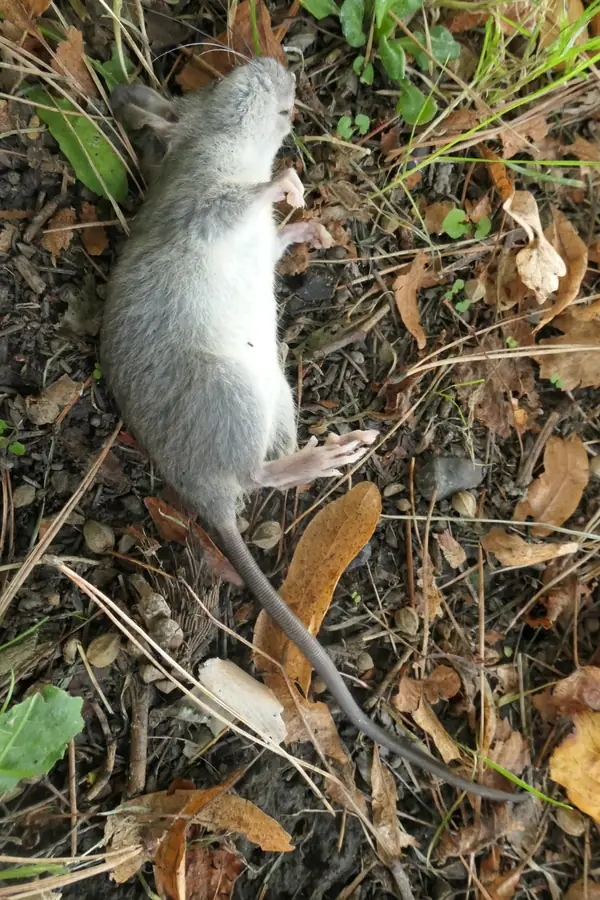
A roof space is the best real estate a ship rat can find. It is dry, warm and dark, it is full of timber to gnaw and insulation to nest in, and in most West Auckland houses it connects to the outside by a dozen small gaps nobody has looked at since the house was built.
Why it is usually a ship rat
The Department of Conservation calls the ship rat a good climber that is common in lowland forest. A rat that can reach a bird nest high in a tree can reach your eaves from a branch, a power line or a vine growing up the fascia. The Norway rat, by comparison, is described by DOC as mostly found in urban areas and tends to stay lower, so a roof-space problem usually points to ship rats.
That matters for the property as much as for the animal. If you live where the garden runs into bush, the roof is the likely entry. Look at where branches touch or hang near the roof line, where creepers meet the gutter, and where a neighbouring garage or shed sits close enough to jump from. Houses on poles in the Ranges, such as those described on the Titirangi page, add a second route up through the structure itself.
What you will notice first
- Scratching, scurrying or rolling sounds in the ceiling in the first couple of hours after dark.
- Droppings in the roof space, along the top of walls and beside pipes and cables.
- Dark, greasy rub marks along joists and around entry holes.
- Chewed wiring, torn insulation and flattened runs through it.
- A musty, ammonia smell in a wardrobe or cupboard against an outside wall.
Droppings and noises are not always rats, and possums are common in the same bush edges. Our note on signs of rats in the roof sets out how to tell them apart, and the note on what time of day rats are active explains why the sound starts when it does.
How the visit runs
Outside first.
The technician walks the exterior looking for entry points: gaps at the eaves, damaged soffit lining, open vents, cable and pipe penetrations, and trees or structures that give a ladder to the roof.
Into the roof void.
Where there is safe access, the roof space is checked for droppings, nests, runs and damage. A hatch that is blocked by stored boxes slows the job, so clear it beforehand if you can.
Quote in writing.
You get the scope, the number of visits and the price in writing before anything is set. We do not publish a flat roof-space price, because jobs vary from one nest to a whole roof full of activity.
Bait stations and traps.
Tamper-resistant stations or traps go along the rat runs, kept clear of insulation edges and out of reach of pets and children. Products are applied to label directions, under the Hazardous Substances and New Organisms Act.
Check, remove and close.
Stations are revisited, dead animals are collected where they can be reached, and the entry points are closed in a separate proofing job.
The part people skip, and regret
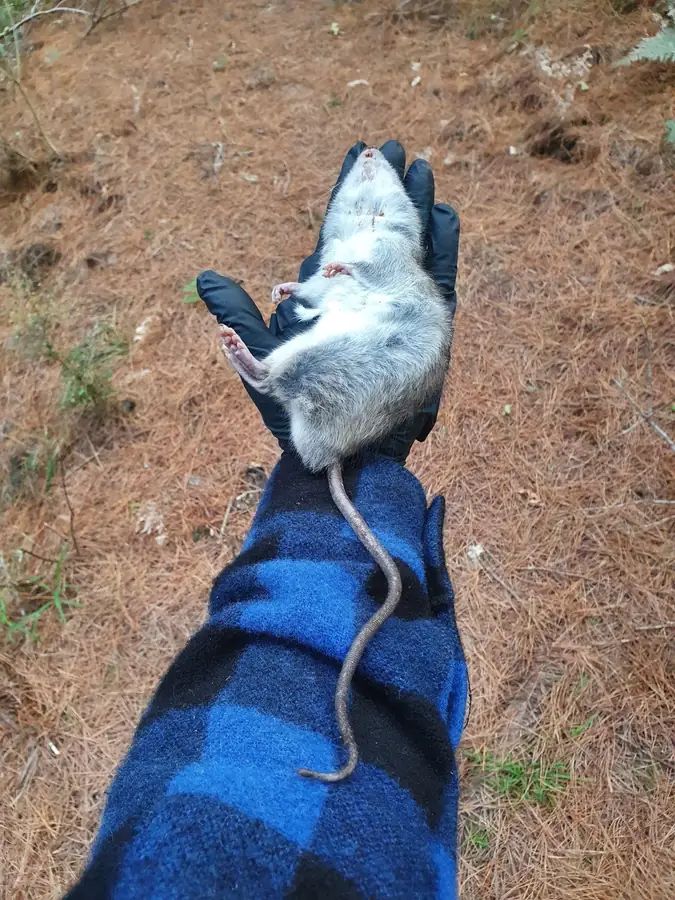
Closing the gaps before the rats are gone traps them inside. That is why the order matters: treat, confirm that activity has stopped, then seal. The reverse leaves animals chewing through plasterboard to get out, and a carcass in a place no one can reach.
Insulation that has been soiled can stay smelly and may need replacing, which is a separate decision from pest control. A technician can tell you what they see, but replacing insulation is a separate job from pest control.
Cost
We have not found a reliable published price for roof-space rodent work as its own item, so we do not state one. The standard house range for baiting and trapping, about $199 to $300 checked on 17 November 2026, and the notes on what moves a quote are on the rats and mice price page. A roof job is quoted after the technician has seen the space.
Can I just put traps in the ceiling myself?
You can, and for one or two animals it sometimes works. Be careful with access, because a ceiling is easy to fall through, and place traps where children and pets cannot get at them. If noises continue after a week or more, the colony is probably larger than a handful of traps will handle.
How long until the noise stops?
It depends on how many animals there are and how quickly they take bait or enter traps. Many jobs need a second visit to check stations and confirm activity has stopped before proofing starts.
Should I worry about the smell?
A dead animal in a roof void is unpleasant but short-lived. Tell the technician where the smell is strongest and they will look there first.
Booking
Describe what you are hearing when you ring 09 872 7624, and an assistant will take your details for a specialist callback. Or use the callback form. The rats and mice overview shows how roof, ground and kitchen problems differ.