Ground nests
Ground nests in West Auckland: what the visit covers, what the treatment involves and what to do before and after the technician arrives.
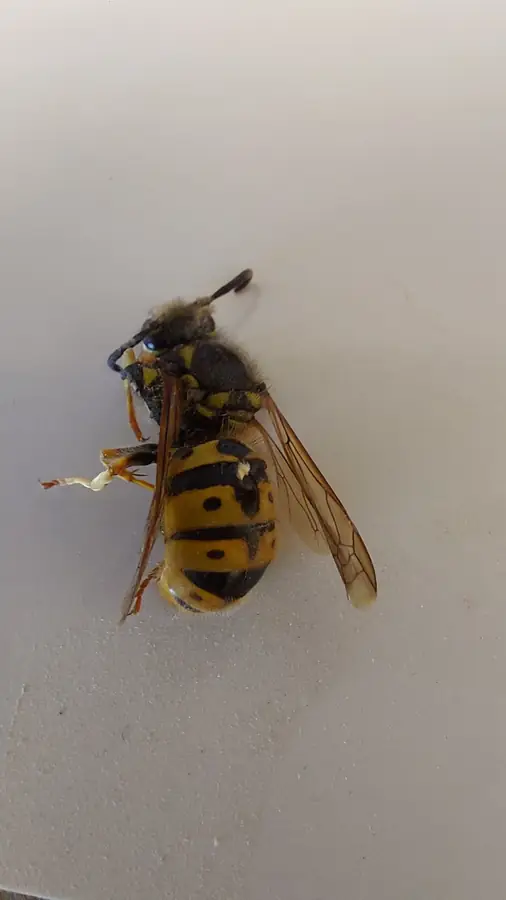
The usual first sign of a ground nest is not a nest at all. It is a patch of lawn, bank or garden edge where wasps keep arriving and vanishing into a hole the size of a coin. Then someone mows over it.
Ground nests deserve their own page because they are the ones most likely to turn into a sting emergency. The colony is bigger than it looks, the entrance is easy to disturb and the nest chamber can run well beyond the hole. The wider picture is on the wasps overview.
Who builds in the ground
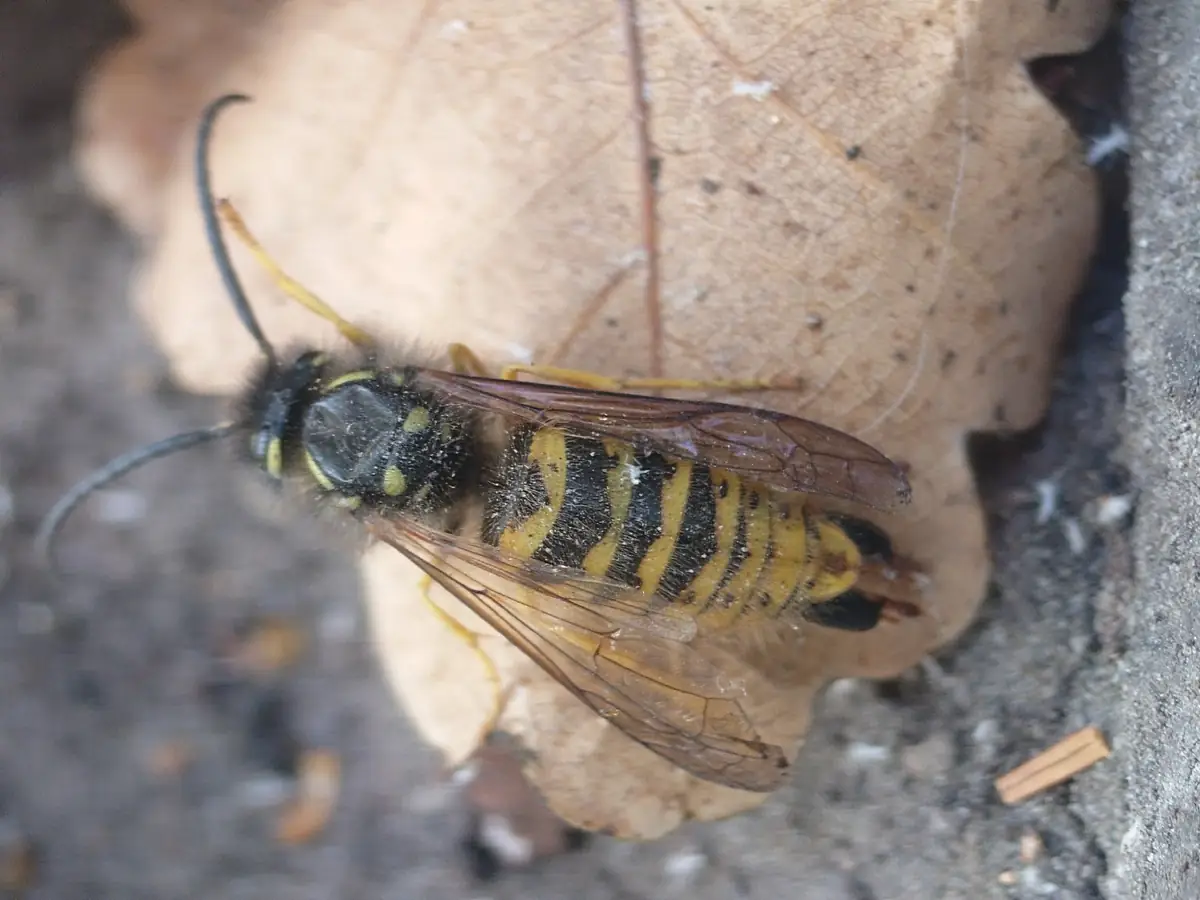
German and common wasps do. They use old rodent burrows, gaps under rocks and railway sleepers, root hollows and soft banks. In West Auckland that means retaining walls, garden edges, the verges of driveways cut into clay, and the steep banks of bush-edge sections.
DOC says colonies are normally about the size of a soccer ball but can become huge if they survive winter, and records the world's largest known nest as found at Waimauku, 3.75 metres tall and 1.7 metres wide. That was in a building, not the soil, but it shows what a colony in a sheltered spot can do.
DOC states the world's largest recorded wasp nest was discovered at Waimauku, near Auckland, and that normal German and common wasp colonies are about the size of a soccer ball.
Source: Department of ConservationWhy the hole is deceptive
You see one entrance. Underneath, the colony may have excavated a chamber and fed the paper nest into it as it grew. The surface hole may be a tunnel several centimetres long, and the nest can be some distance in. A few wasps at the entrance in spring can mean thousands in autumn.
Heavy vibration, mowing, trimming and a hose all bring the guards out fast. Wasps do not need to see you to attack. Ground nests regularly sting people who simply walked past on a lawn.
What not to do
- Do not pour petrol, boiling water or any fuel into the hole. It is dangerous and rarely kills the colony.
- Do not block the entrance. Wasps dig out or find a new exit, sometimes into a basement or a wall.
- Do not flood the hole with a hose.
- Do not mow or trim near the area until it is treated.
- Do not try it at night with a torch, as wasps fly towards light.
What the technician does
The visit starts with finding the entrance and checking how close it is to paths, play areas and doors. Treatment is normally done at dusk or just before dawn, when the colony is mostly inside. An insecticidal dust or product is applied at the entrance so returning wasps carry it into the nest. The technician then watches the hole for a time.
Expect some activity for a day or two. Wasps still out foraging come back to a dead nest, circle, and eventually leave. Keep children and pets away until the technician says it is quiet. The hole can be filled with soil once you have seen no traffic for several days.
Price
We have no verified price for ground nests. The trade and consumer sources we checked on 17 November 2026 give ranges for ordinary nests but do not say whether they cover soil nests, so we do not publish one. The specialist quotes after a look at the site. For the above-ground figures, see the wasp price guide.
Where we see ground nests
Sloping, bush-edge sections are the likeliest places. Our reading is that Titirangi, Laingholm, Oratia and the Piha valley have plenty of exposed bank. The bush-edge homes page covers the housing pattern behind that.
Community bait programmes at Piha target German and common wasps, and Pest Free Piha reports a pilot reduction of about 70% in Te Ahuahu Rd using protein bait. That is a wide-area method for a whole valley. It does not replace treatment of a single nest in your own garden.
The 2021 update says the programme targets German and common wasps, not paper wasps, and uses bait put out from around late February to mid-March.
Source: Pest Free PihaMarking the spot safely
If you can do it without going near, put a stake or marker 3 to 4 metres away and tell everyone in the household. Do not stand over the hole to look at it. Take a photo from a distance with a zoom, if you can, and have it ready when the callback comes.
Is a hole with wasps always a nest?
Mostly yes, if wasps go in and out all day. A few wasps drinking from a damp patch or sniffing a hole once do not make a nest, but a steady stream does.
Can a ground nest damage my lawn or retaining wall?
Digging by the colony is minor. The bigger concern is stings to people, pets and mowing crews. Large nests under walls or paving can undermine a small area, but this is unusual.
How soon can I mow again?
After the technician confirms no activity at the hole. Wait a few days to be sure.
What if someone is stung many times?
Call 111 if there is swelling of the face or throat, trouble breathing, dizziness or collapse. Get away from the nest first.
Call about a ground nest
Tell the assistant on 09 872 7624 that the nest is in the ground and where, and mention anything near it such as a trampoline or washing line. You can also request a callback. The order of events is explained under what happens next, and the full West Auckland service page lists the other pests we arrange.