Pest control across West Auckland, suburb by suburb
The 25 West Auckland areas we cover, the pests that matter in each, and the housing types that change the risk.
Why the suburb matters
A rat call in Titirangi and a rat call in New Lynn are not the same job. One is a ship rat on the roof of a house in bush, the other is more likely a Norway rat near a drain or a bin store. The same goes for wasps in Waimauku and cockroaches in an apartment block at Hobsonville. So this section of the site sorts the western suburbs by what is actually around them: bush, streams, harbour, new building and fruit land.
Every suburb page is written from sourced local facts, council maps, community trapping groups, news reports and heritage records, and says so when a point is our own reading. Where nothing local exists, as at Royal Heights and Sunnyvale, the page says that too and does not pad.
The big features of the region
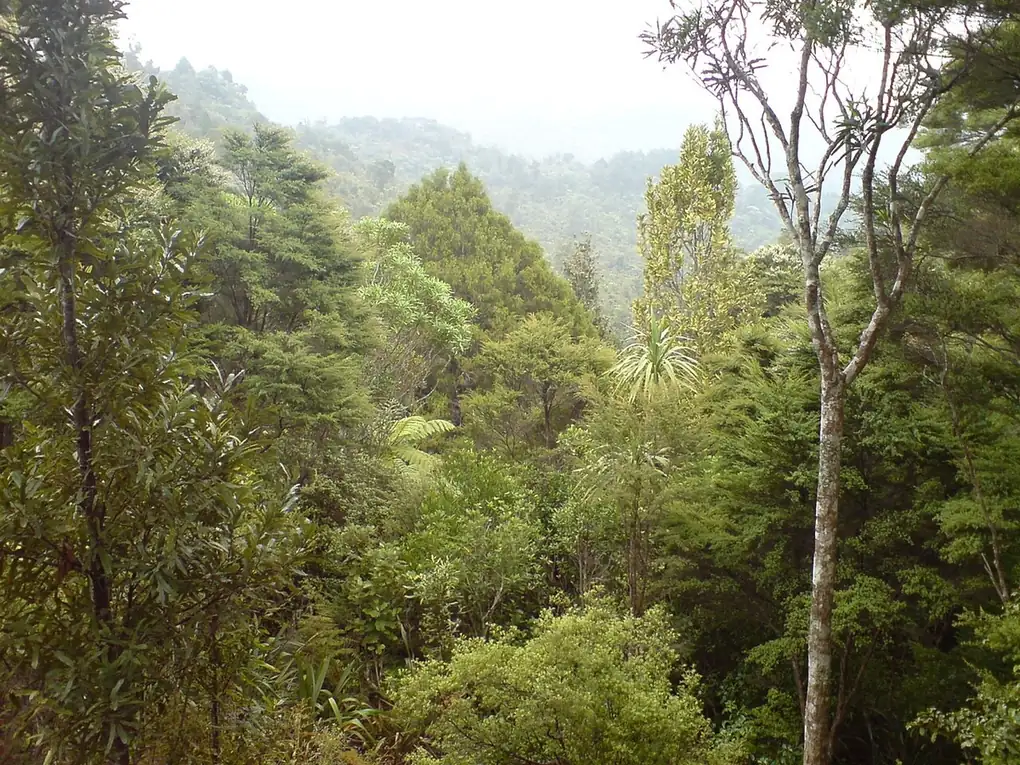
The Ranges. Auckland Council says the Waitākere Ranges Heritage Area covers approximately 27,700 ha of public and private land, and the regional park makes up around 60 per cent. Suburbs on its edge, from Titirangi and Laingholm round to Oratia, Swanson and Piha and Karekare, share its rats and, in places, its wasps. The bush-edge homes page pulls this together.
The Heritage Area Act 2008 aims to preserve the area's natural character, and the regional park covers around 60 per cent of the roughly 27,700 ha.
Source: Auckland Council, Waitākere Ranges Heritage AreaRats in the forest. The NZ Herald reported that 32 per cent of monitoring tunnels in the Ranges recorded rat footprints in the 2019 winter survey, the highest since Ark in the Park began in 2002, and the project now covers 2,270 ha. Auckland Council's monitoring report says ship rats are still present despite the control. DOC says the ship rat is the most commonly found rat in New Zealand and a good climber, while the Norway rat is associated with people and urban areas.
Rain and damp. Auckland Council's freshwater report card gives the West Coast reporting area, which includes the Waitākere Ranges local boards, a long-term mean rainfall of 1,302 mm. That is an area average, not a figure for the ridge tops, and the often-quoted 2,000 mm we could not confirm. Damp matters for borer: Consumer NZ says the common house borer likes moist untreated timber.
Wasps. DOC says New Zealand has some of the highest densities of German and common wasps in the world, because they have no natural predators, winters are mild and food is plentiful. Auckland Council's pest register lists wasps as whole-region sustained control.
How the area breaks up
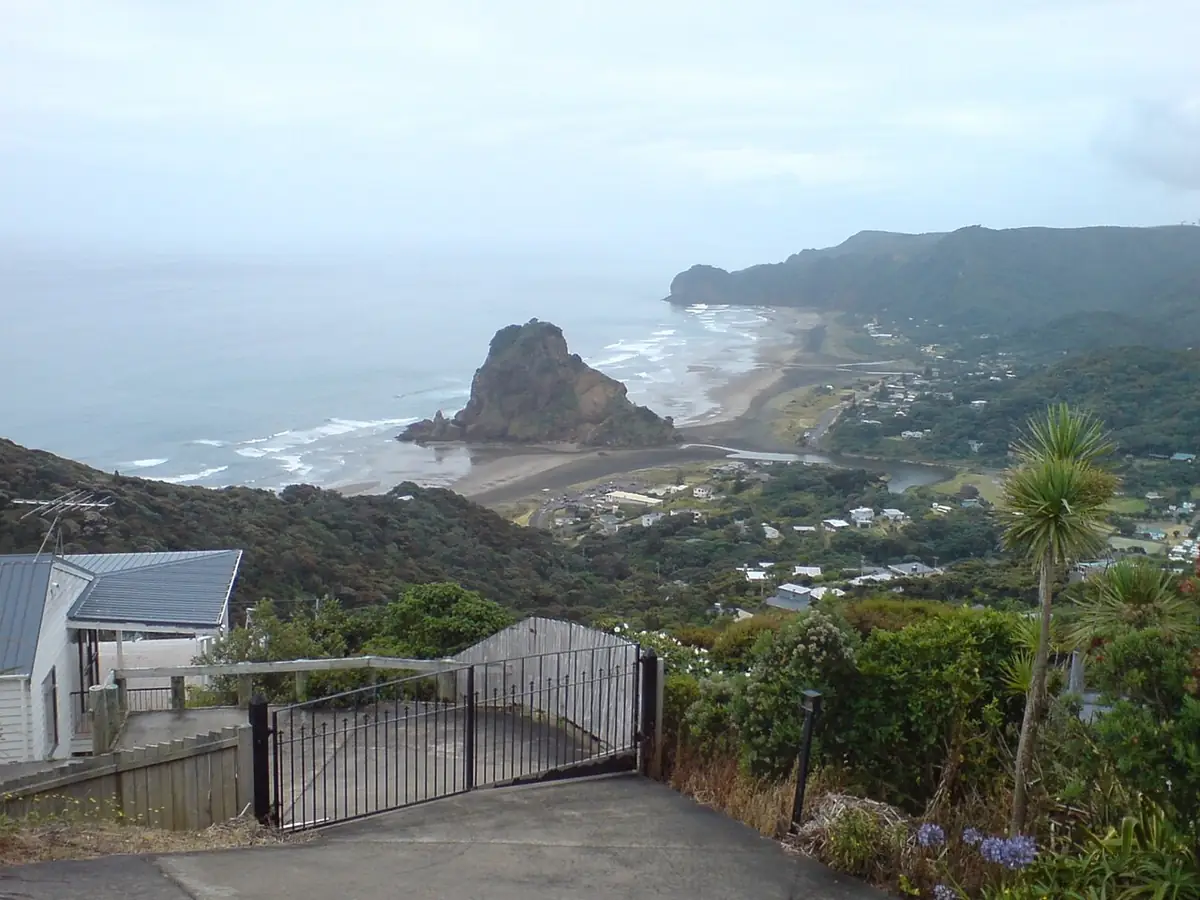
Ranges edge. Titirangi, Laingholm, Oratia, Glen Eden, Swanson and Piha and Karekare: rats first, wasps in Oratia, Laingholm and Piha, borer where older bush-clad timber houses sit.
Rivers and creeks. Henderson, New Lynn, Avondale, Kelston, Blockhouse Bay, Sunnyvale and Rānui sit on the Whau, the Waikumete and the Opānuku streams. Rats travel the corridors, and the apartment-heavy centres add cockroaches.
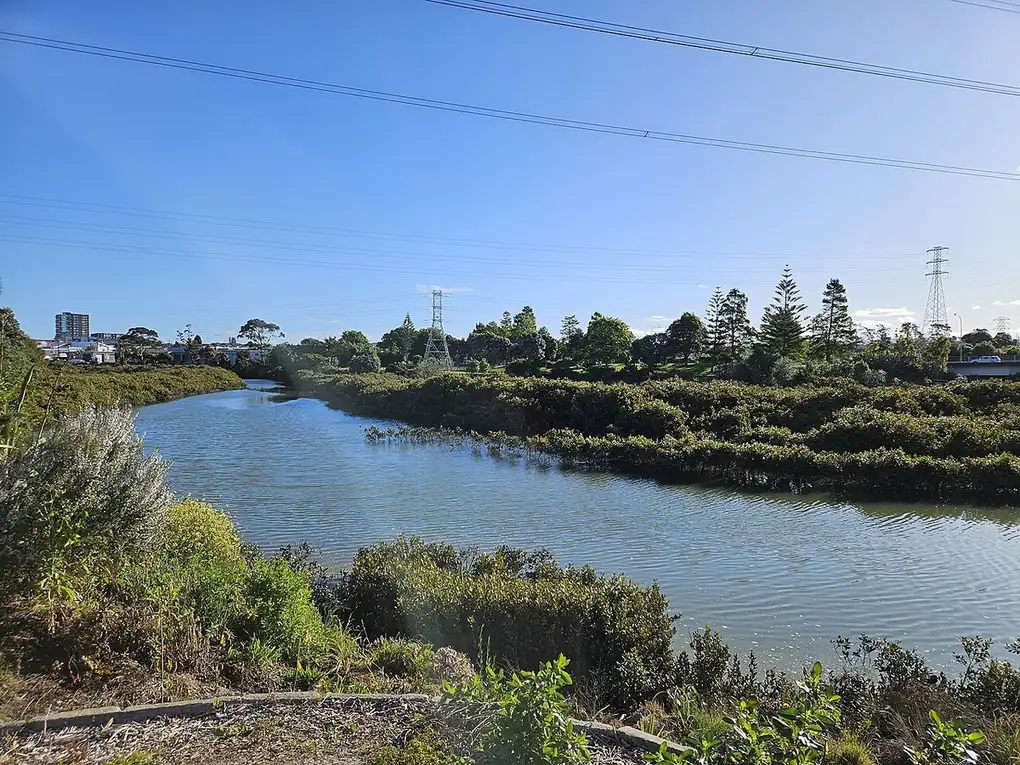
Harbour and north shore of the Waitematā. Te Atatū, West Harbour, Hobsonville, Green Bay and Whenuapai, grouped partly on the harbour and creek edge page and the new-build estates page.
North-west rural. Kumeū, Huapai, Waimauku and Helensville: flood-plain land, vineyards and lifestyle blocks, wasps and rats, plus old kauri housing at Helensville. See orchard and vineyard country.
What shows up most, by pest
| Pest | Where the sources point | Start here |
|---|---|---|
| Rats and mice | Ranges edge, stream corridors, harbour reserves, flood-prone ground | Rats and mice |
| Wasps | Oratia, Piha and Karekare, Laingholm, Waimauku, fruit country | Wasps |
| Borer | Old timber houses, bush-clad sites, Helensville special-character area | Borer |
| Cockroaches | Apartment and terrace areas at Henderson, New Lynn, Hobsonville, Westgate | Cockroaches |
| Spiders | Avondale, the suburb the Avondale spider is named after | Spiders |
Ants, fleas and flies appear in the hubs for each, but no suburb has a sourced local fact for them, so we do not tie them to a place. See ants, fleas and flies.
How to use the suburb pages
Find your suburb in the list below. Each page names the two or three pests its facts support and links to the more detailed pages where we have enough sourced material. If your suburb is thin, read the housing-type page that matches your property.
Cost and next step
The price guide shows indicative ranges, such as about $199 to $300 for a standard rat or mouse treatment, as estimates checked on 17 November 2026. Call 09 872 7624 and an assistant takes your details, then a specialist rings back, or use the callback form. The home page explains the service.
By type of property
Bush-edge homes
Ship rats in the roof, damp timber and wasps on forest boundaries.
Harbour and creek edge
Rat routes, damp ground and flies beside tidal water.
New-build estates
Disturbed ground, shared walls and gaps in new houses.
Orchard and vineyard country
Wasps and rats follow the fruit, in four districts.
Suburb by suburb
Call 09 872 7624, or book a callback and a specialist will ring you.
Call now Book a callback