Rats and mice in Glen Eden
A volunteer-written guide to Waikumete Cemetery says rats nest in its phoenix palms. Glen Eden is the suburb that has a 108-hectare cemetery in the middle of it.
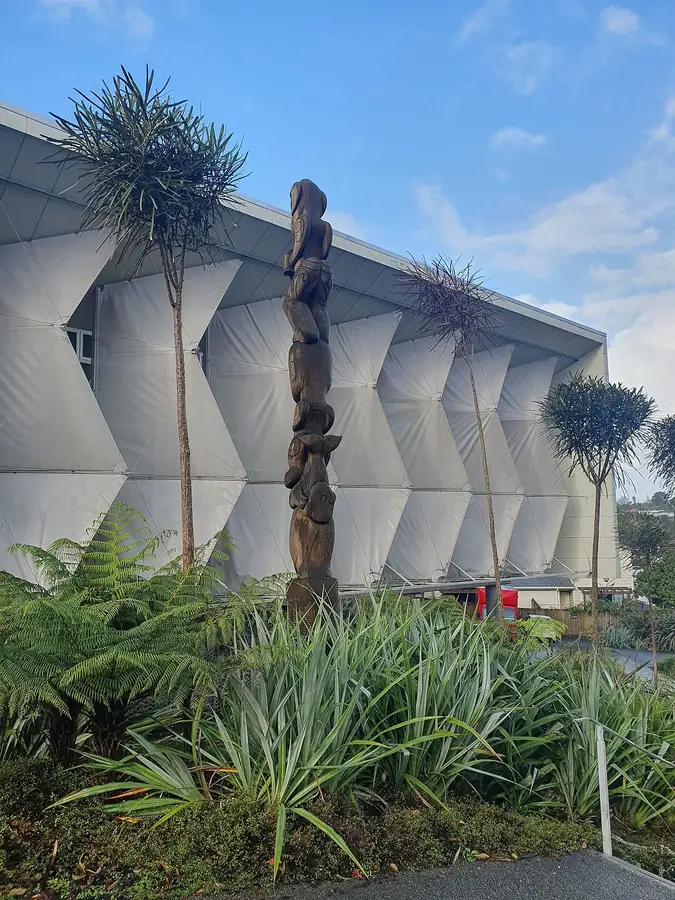
Most suburbs have a park. Glen Eden has Waikumete, one of the largest cemeteries in the country, which Auckland Council's data show covering 108 ha of the suburb's 877 ha.
The volunteer-written blog says rabbits burrow in the older parts of Waikumete Cemetery, the wooded gullies are feeding and breeding areas for possums, and cats and rats nest in the phoenix palms. Tiaki Tamaki Makaurau lists the cemetery's gumland heath in Glen Eden.
Source: Discover Waikumete Cemetery (community blog)It is an informal source, written by volunteers and not by a survey, so it is colour and not a statistic. The Pest Free Waitākere Ranges Alliance directory, on the pages we have read, lists no group tagged to Glen Eden, so there is no local trap line we can point to.
Why palms matter
A phoenix palm drops dead fronds that form a thick, dry skirt below the crown, a sheltered nesting place several metres up. Rats that use it also use whatever is nearby to move: a fence, a power line, a branch touching a roof. The Department of Conservation describes the ship rat as a good climber, so a house beside a cemetery tree line is a short walk from the crown to the roof. That is our inference from the blog and from DOC, and no survey confirms it.
The wooded gullies and burrowing rabbits matter in a different way. They are food and shelter close to housing, and a rabbit burrow is an easy home for a Norway rat.
The foothills behind
Wikipedia places Glen Eden at the foothills of the Waitākere Ranges and describes housing from the 1950s and 1960s, mostly wooden homes with some 1930s art deco houses and post-war bungalows, plus newer terrace housing (source). Council data then shows 84 ha in an ecological overlay and zones that mix 138 ha Single House, 131 ha Mixed Housing Suburban, 117 ha Mixed Housing Urban and 100 ha Terrace Housing and Apartment Buildings (measured 17 November 2026, boundaries generalised).
So it is not a uniform bush suburb. It is a mix, with the bush at the back, a cemetery in the middle and denser housing in places. A visit starts by working out which of those you are closest to.
What this means house by house
- Beside the cemetery or reserve edge: roof space and eaves. Check palms, power lines and overhanging branches. Our note on rats in the roof explains the signs.
- Foothills sections: ship rats from the bush, sometimes possums too. Treat noise at dusk with caution, because some of it will be possums.
- Terrace and townhouse sites: shared fences and bin areas, and Norway rats at ground level.
- Older weatherboard bungalows: subfloor vents and gaps in lining. See rat-proofing pole houses and subfloors for what to check.
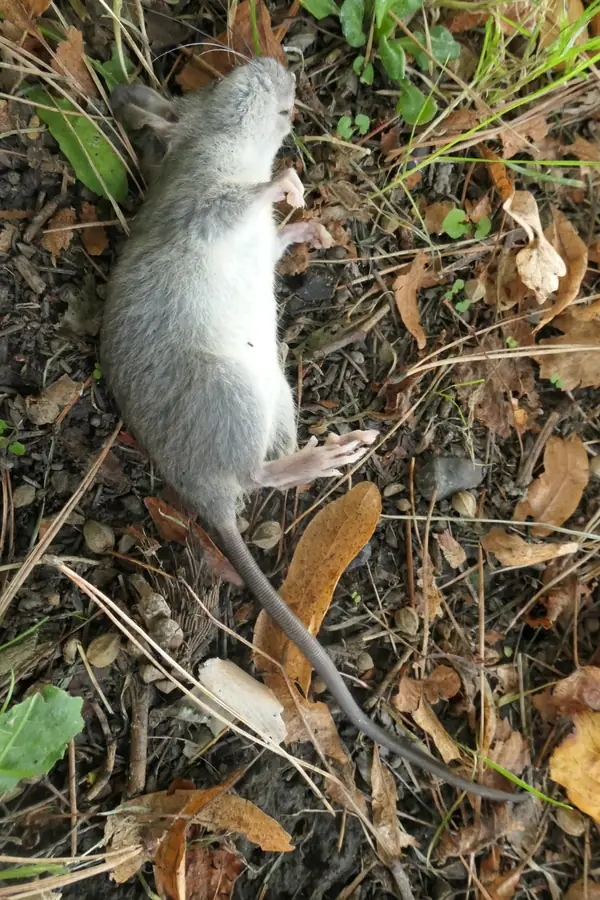
Cost and process
A technician inspects the garden, outbuildings, subfloor and roof, quotes in writing and places stations to label directions; the safety and products page covers pets. A standard house has been priced at about $199 to $300 in published Auckland sources, with large or heavy jobs at $1,000 or more (checked 17 November 2026). The rats and mice price page lists the sources, and proofing comes afterwards.
Can I do anything about the cemetery?
No, it is public land managed by the council. Concentrate on your property: trim branches, secure food, close gaps.
Is Glen Eden mainly a borer suburb or a rat suburb?
Neither as a headline. Both can occur in older timber houses. Our Glen Eden page covers the suburb overall.
Next
The rats and mice overview explains a typical job and the nearby bush-edge homes page covers similar sites. To book, ring 09 872 7624, where an assistant takes your details for a specialist callback. You can also use the callback form.
Sources for this page
Where a source describes the place rather than pests, the pest relevance is our own reading.