Pest control in Oratia
Old orchard trees, borrowable traps and a wasp programme.
Windfalls and wasps
Late summer in Oratia means fruit on the ground. The Slow Food Foundation's Ark of Taste entry for the Oratia Beauty apple traces the district's orchard history to Dalmatian settlers around the turn of the twentieth century. Much of that land is now housing, yet fruit trees linger in old gardens and a small commercial planting of the apple survives.
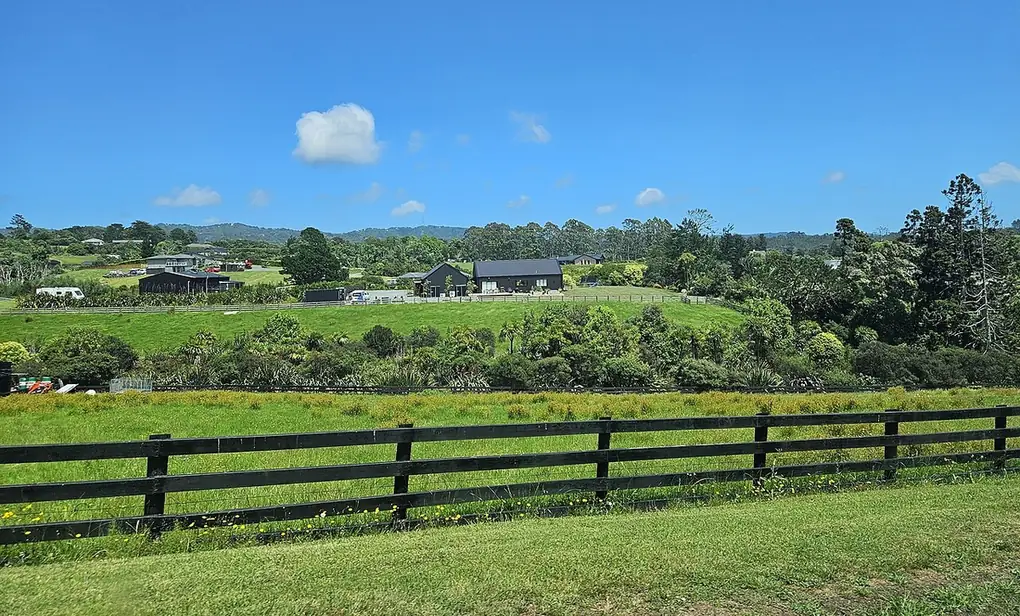
Fruit trees still stand in old orchards and private gardens.
Source: Slow Food Foundation, Oratia Beauty appleFallen fruit feeds wasps, which is our reading of why autumn call-outs matter here. DOC says wasps have no natural predators in New Zealand, winters are mild and food is plentiful, so densities are among the highest in the world. The page on wasps in Oratia goes into this, and nest removal covers the visit.
The community already runs a wasp programme
Locals have organised themselves. Pest Free Waiatarua holds wasp blitz weekends, and it keeps a library of traps for rats, possums, stoats, weasels and ferrets that residents borrow at no cost, with council, local board and EcoMatters backing.
The group's area covers both Waiatarua and Oratia.
Source: Pest Free Waitākere Ranges Alliance, Pest Free WaiataruaAnother body, the Oratia and Waiatarua Native Wildlife Project, runs under the local ratepayers' association with a pest control sub-committee. Its directory listing names no pests and gives no counts, so we cite it only to show that organised local effort exists.
Rats beside the gardens
Habitat touches the garden here. In the council layers read on 17 November 2026, over 400 ha of Oratia's 954 ha sits under an ecological overlay, and more than 36 km of stream crosses it, with flood plain at the lower end (figures rounded). The suburb had about 2,100 residents in 711 homes in 2023, per Wikipedia, so many properties are semi-rural, with sheds and larger sections. Outbuildings holding feed or compost appeal to rats as much as the house does. The page on rats and mice in Oratia deals with homes.
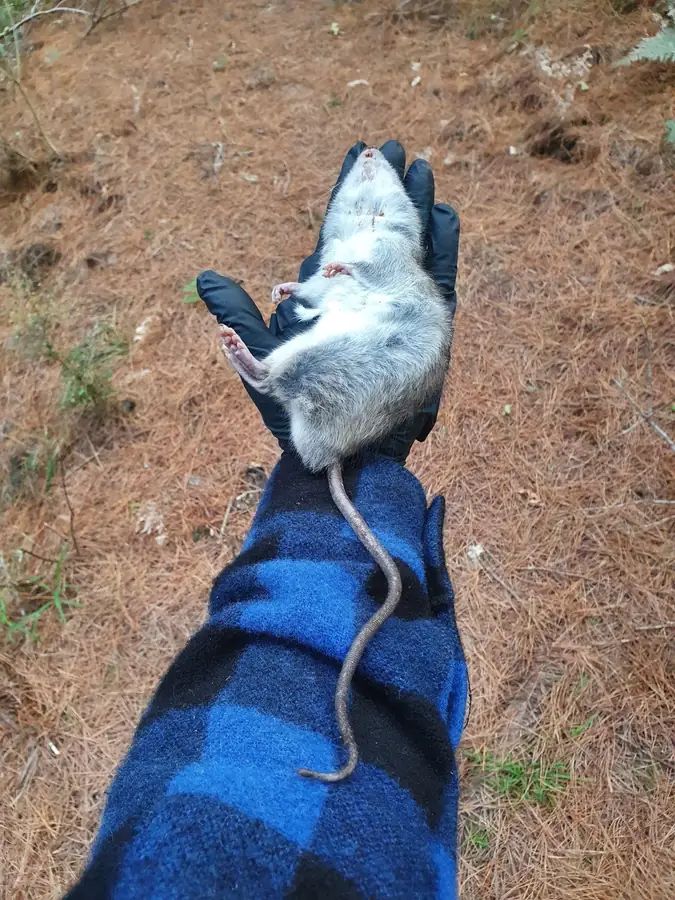
If you would rather borrow a trap than pay for a visit over a one-off sighting, the library is a good starting point. A professional treatment makes sense when rats are inside the roof or the droppings are widespread. The roof-space guide explains the difference.
Planning treats it as its own place
The Waitākere Ranges Local Board says Local Area Plans were completed for Waiatarua, Oratia and Henderson Valley and Opānuku, and Plan Change 35 brings the resource management parts of the Oratia and Waiatarua plans into the District Plan. That says nothing about pests, but it supports calling Oratia a rural-foothills place, and it is why larger treatment areas and longer driveways come up in a quote.
A note on timing
DOC says German and common wasp colonies are normally about the size of a soccer ball but can become huge if they survive winter. If you notice wasps flying low to the same hole in a bank, treat it as a nest and keep children and dogs away. The ground nests page covers what to do, and the article on wasp nests in vines and fruit trees fits an orchard garden.
Cost
An above-ground nest typically sits around $100 to $250, with harder access costing more, and rats about $199 to $300 for a standard house, per the ranges we read on 17 November 2026. The wasp price guide shows where those came from.
Nearby
Henderson, Glen Eden and Swanson are the closest suburbs. Other fruit-growing country is on the orchard and vineyard page, and our main page lists everything else.
Ask for a visit
Call 09 872 7624 and an assistant records the address, then a specialist rings back. The callback form is the online option.
Sources for this page
Where a source describes the place rather than pests, the pest relevance is our own reading.
- Slow Food Foundation (Ark of Taste, Oratia Beauty apple)
- Wikipedia
- Waitākere Ranges Heritage Area news (Waitākere Ranges Local Board)
- Auckland Council open data (ArcGIS REST: Unitary Plan Base Zone, Flood Plains, Significant Ecological Areas, Permanent Streams)
- Pest Free Waitakere Ranges Alliance
- Pest Free Waitakere Ranges Alliance