Rats and mice in Titirangi
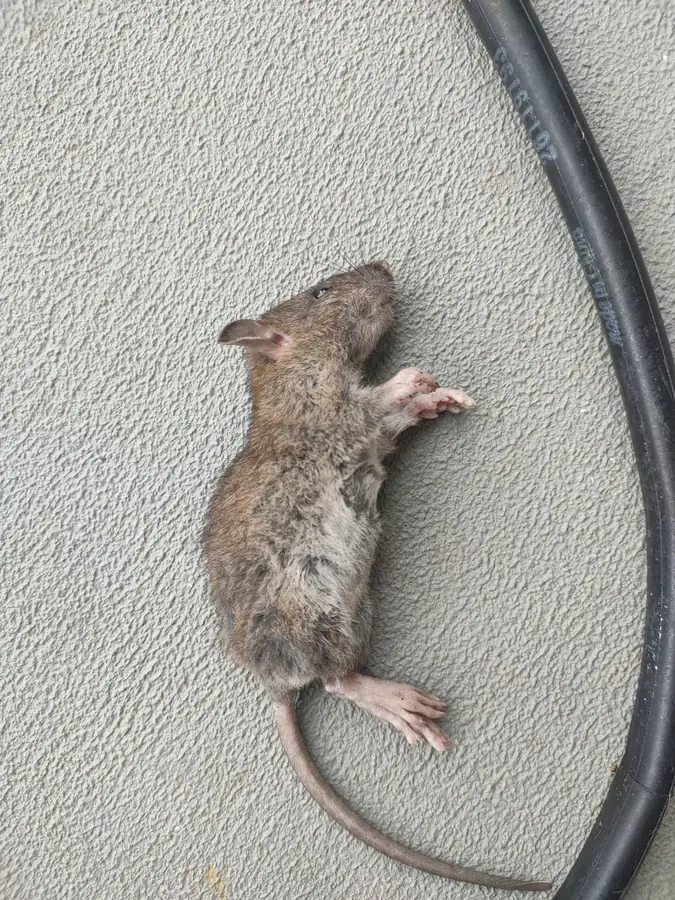
Residents reported rats the size of cats around the village in 2019. Whether or not they were that big, the bush around Titirangi is the reason rat jobs here look different.
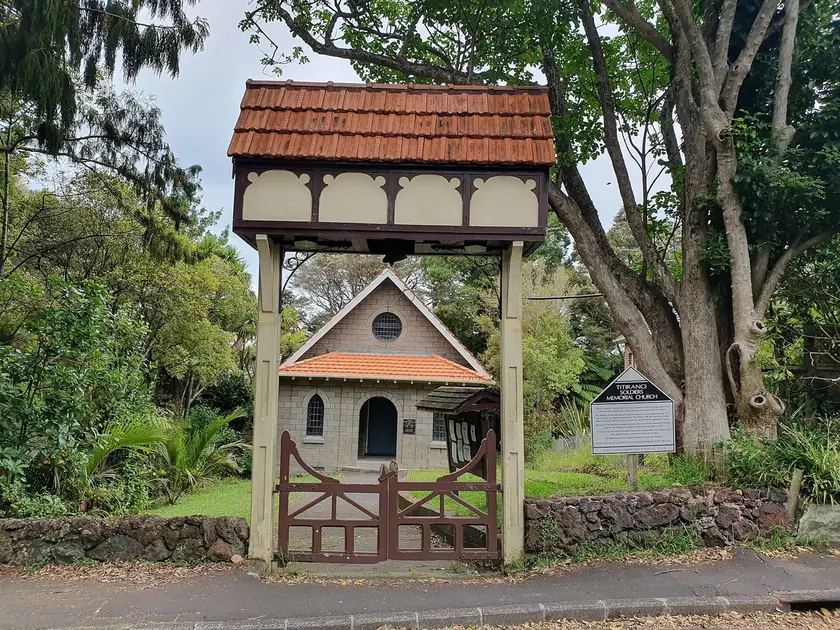
Ask anyone who has lived on a Titirangi hillside long enough and there is a rat story. The difference is that some of these stories were written down.
RNZ reported Titirangi locals describing rats the size of cats around the village, where free-roaming chickens are common. Auckland Council said it would step up pest control, asked people not to feed the chickens because scattered food attracts rats, and considered helping locals with traps on private property. A council director said owners are responsible for managing rats, mice and possums on their own premises.
Source: RNZ, 23 June 2019That last sentence matters. In Titirangi, the council manages the park and expects you to manage the property. That is the gap a technician fills.
Where the rats come from
Winter tracking in the Waitākere Ranges found rat footprints in 32% of tunnels, the highest since Ark in the Park began in 2002 and well above the 5% threshold the article says birds need to survive and breed. The same article notes giant rats were reported in Titirangi that June. Forest and Bird could not confirm a link to the Waitākere increase and saw no sign the rats were larger, only far more numerous.
Source: NZ Herald, 2019So the honest reading is that the Ranges rat population was at a documented peak, and Titirangi sits on its boundary. Ark in the Park describes its control as continuous and ongoing with no predator-proof fence, over 2,270 hectares, with 4,785 bait stations and 554 traps. Trapping in the forest reduces pressure but cannot stop animals walking out into gardens.
Council open data puts 738 ha of Titirangi's 1,378 ha in a Significant Ecological Area overlay, with 34.5 km of permanent stream. That is a suburb where houses sit inside the habitat, not beside it.
Ship rats in the roof, rats under the pole house
The Department of Conservation says the ship rat is a good climber and is common in lowland forest. In bush-set homes that means the roof space is usually the first place to check, and branches within a jump of the eaves are the usual route. Wikipedia notes that some Titirangi houses were raised on poles so they could be built among trees without damaging roots. We think that adds a second route, up the structure into the subfloor, and our note on rat-proofing pole houses and subfloors explains what we look for.
Chickens, compost and feeding
The 2019 article put chicken feed at the centre of the village problem. If you keep hens, a hard lidded bin for feed, a raised feeder that is emptied at dusk and a compost bin with a base are cheap and effective. Rat bait and chickens do not mix, so tell us about the birds when you ring. Placement and products are set out on the safety and products page.
Local groups
The Pest Free Waitākere Ranges Alliance lists the Titirangi Urban Sanctuary and Friends of Kawaka Reserve Walkway as doing trapping. Community lines help, but they do not substitute for dealing with the house. If your neighbours are trapping and you are not, the animals tend to move toward the property with the open food and the open roof.
What a visit looks like
A technician checks the roof line, trees touching it, the subfloor and any outbuildings, and writes up a quote before work begins. A standard house has been priced at about $199 to $300 in published Auckland sources (checked 17 November 2026), and larger bush properties can cost more; see the rats and mice price page. Much of the follow-up is proofing.
Were the giant rats real?
Forest and Bird did not confirm larger rats. What they confirmed was far more of them.
Can I borrow a trap instead?
Possibly, through a local group. If activity is in the roof space or the subfloor, or you have a larger colony, a technician sets stations safely and checks them.
Arrange it
Our overview of rats and mice in West Auckland explains how jobs run, and the Titirangi page has the suburb's other pests. To book, ring 09 872 7624. An assistant takes your details and a specialist calls you back, or use the callback form.
Sources for this page
Where a source describes the place rather than pests, the pest relevance is our own reading.
- NZ Herald (The Country)
- Auckland Council technical report TR2023/12 (Knowledge Auckland)
- Waitākere Ranges Heritage Area news (Waitākere Ranges Local Board)
- Wikipedia
- Auckland Council open data (ArcGIS REST: Unitary Plan Base Zone, Flood Plains, Significant Ecological Areas, Permanent Streams)
- RNZ
- Pest Free Waitakere Ranges Alliance