Rodent proofing
Treatment removes the animals in the building. Proofing is what stops the next ones, and in West Auckland it is often the part that decides whether the job lasts.
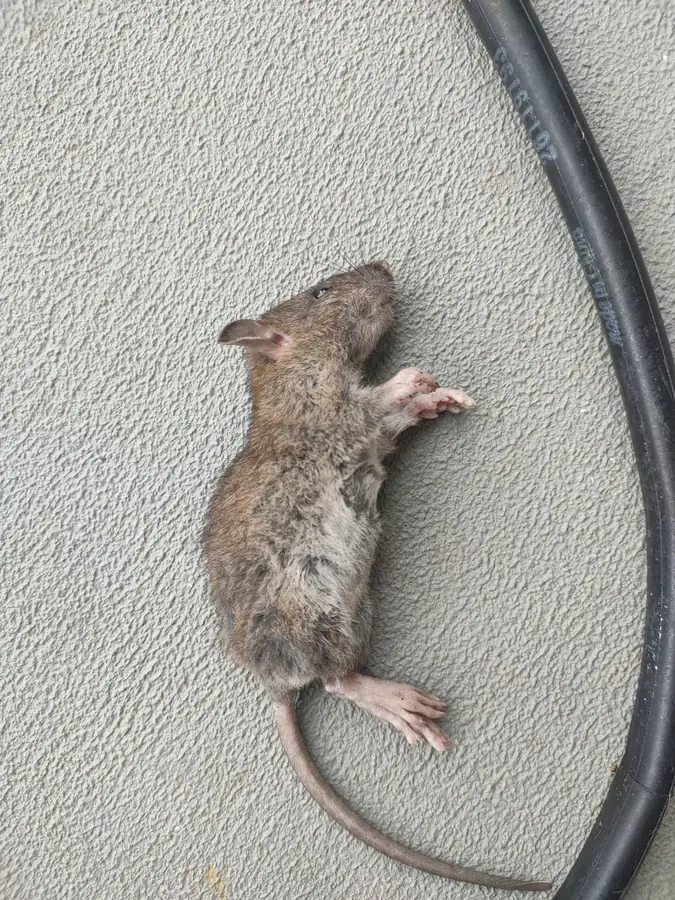
A rat that has been removed from the roof leaves a house with the same gaps it entered through, and the bush next door is still full of rats. The council's own forest bird monitoring report says that ship rats and other mammalian predators are still present in the Waitākere Ranges. Which likely means that for homes near the bush, proofing is not optional, because reinvasion is expected.
Where animals get in
Most entry points are boring. Rodent technicians check the same places every time:
- the gap where the roof meets the wall, and the soffit lining under the eaves;
- vents that have lost their mesh or never had any;
- holes around pipes and cables, particularly where a plumber or electrician went through a wall and did not close it;
- garage doors with worn seals, and the gap under a roller door;
- the subfloor, where ventilation grilles, damaged skirting and missing sections of lining open the underside of the house.
Rats can climb, and the Department of Conservation says the ship rat is a good climber. A gap high on a wall is no safer than one at ground level. Mice are smaller again and can use gaps you would not expect to be big enough, so we look at the whole envelope and not just the obvious holes.
What proofing involves
Materials depend on the surface. Steel mesh and metal flashing resist gnawing where a gap must stay open for ventilation. Cement-based fillers and metal wool suit small gaps in masonry. Replacement vent covers and door seals handle the obvious breaches. Foam alone is not enough, because rodents chew through it. The technician names the materials in the quote.
Proofing is quoted after the visit, because the amount of work depends on the property and we do not have a reliable published New Zealand price for it as a standalone job. The standard treatment range of about $199 to $300 for baiting and trapping, checked on 17 November 2026, is on the rats and mice price page. Moneyhub's published mouse treatment price mentions work on a property's risk areas as part of the job, which is the nearest we can find to proofing being priced.
The order matters
Treat first.
Bait or trap until activity stops. Sealing a house with animals inside can trap them in the walls or roof space.
Confirm.
The technician checks the stations and confirms that nothing is feeding.
Seal.
Entry points are closed, working from the roof line down, then the subfloor and garage.
Leave a monitor.
In higher-pressure places, a trap or station stays outside to catch the first new arrival.
Pole houses and subfloors
Houses raised on poles in the bush, which Wikipedia notes were built that way to avoid damaging tree roots, have a sealed envelope and an open underside. The structure itself, poles and bracing, can be a ladder, and the gap between lining and joists a corridor. Our note on rat-proofing pole houses and subfloors covers what to look for, and the page for rats in Titirangi covers why the bush edge makes this a regular job.
Things you can do yourself
Trim branches back so they do not touch the roof. Stack firewood away from the house walls and off the ground. Keep compost lidded and chicken feed in a hard bin. Fix a dripping tap or a leaking gutter. These do not replace proofing, but they make the animals' job harder.
Can I use expanding foam and be done?
Not reliably. Rats and mice chew foam. Steel mesh, flashing and cement-based materials last longer in gaps rodents are likely to test.
Do I need proofing if I have only had one mouse?
Possibly not. A single animal can be dealt with by trapping, but if you see droppings in several rooms or hear a nest, sealing the gap is cheaper than a second treatment.
Will proofing guarantee no more rats?
No. Nothing does. It reduces how easily they can get in, and a monitor outside helps you spot new arrivals early.
Book it
Phone 09 872 7624. An assistant records the details for a specialist callback, and a technician inspects before any proofing is quoted. Or use the callback form. The rats and mice overview shows the whole treatment sequence.