Pest control in Laingholm
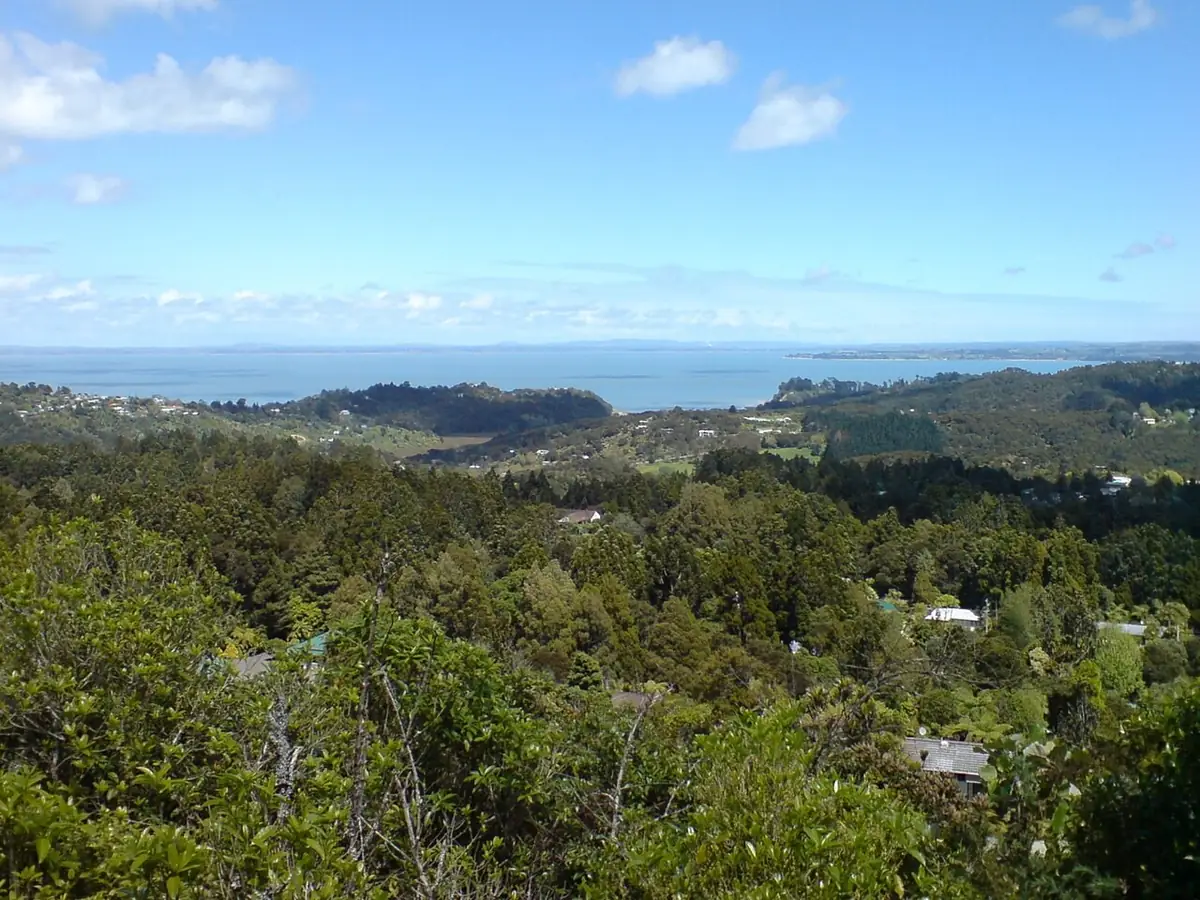
Almost all bush edge, with about 300 volunteer trappers beside you.
A neighbourhood that organised itself
Few West Auckland suburbs have as much volunteer effort per household as this one. The Pest Free Waitākere Ranges Alliance describes the local group, which began in 2017, as going after rats and possums, lending out traps through a volunteer buddy and counting some 300 registered trappers. A second group, Restoration Ruatuna, covers weeding, planting, monitoring, trapping and baiting.
Restoration Ruatuna works in Laingholm, with trapping and baiting among its activities.
Source: Pest Free Waitākere Ranges Alliance, Restoration RuatunaThe effort exists because the pressure is constant. The directory entry for the larger group also carries a wasp tag, which we use exactly as it stands: wasps are among its work, with no counts published. We do not go further than that tag.
Houses inside the habitat
The council's open layers, read on 17 November 2026, show 324 ha of the suburb's 442 ha boundary inside a Significant Ecological Area overlay, plus 15 ha of flood plain and 8.3 km of permanent stream. Put plainly, nearly three-quarters of the mapped area is habitat, and the houses sit within it rather than beside it.
A 2003 NZ Herald property feature called Laingholm known for its native bush and bird life and tranquil surrounds. It is old, but it still matches the map. Our reading is that rats here are less a problem to be cured than a pressure to be managed, with the home sealed and the neighbourhood trapping as a second line.
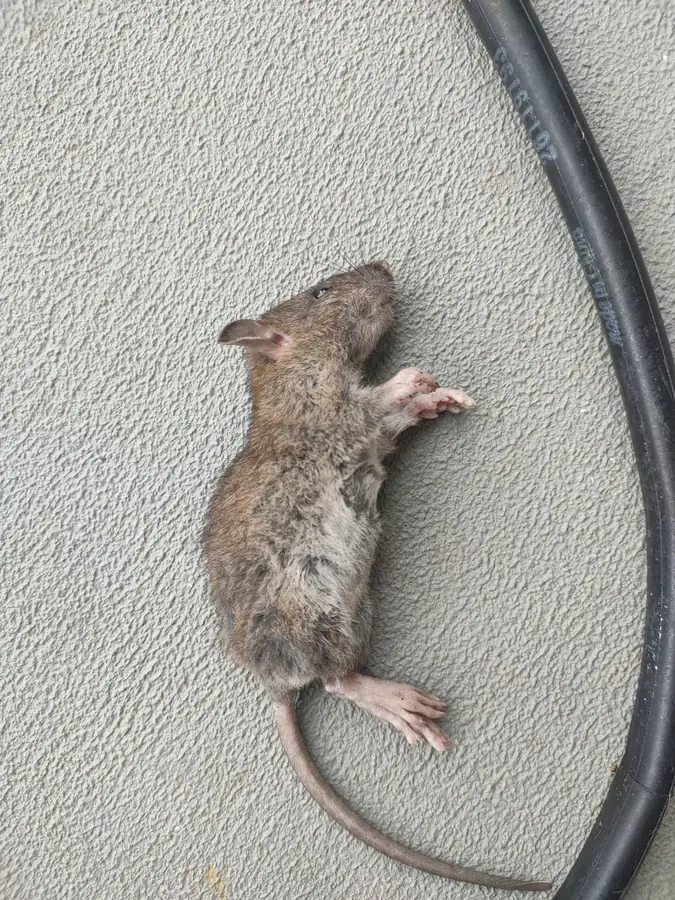
For the species detail, DOC says the ship rat is the most commonly found rat in New Zealand, a good climber and widespread in lowland forest. That is the roof-void rat. The page on rats and mice in Laingholm covers what to look for, and the rodent proofing page covers closing the gaps.
The ship rat is the most commonly found rat in New Zealand and is widespread in lowland forest. The Norway rat is more typically associated with human activity and found in urban areas.
Source: Department of Conservation, ratsTimber in a bush setting
Two-tooth borer can live up to 11 years in wood and turn up more in bush-clad areas, Consumer NZ says, while the common house borer favours moist untreated timber. With 324 of Laingholm's 442 ha under an ecological overlay, the setting fits, but linking the two is our inference and no source counts affected homes, so treat it as a prompt to inspect. For the damp-timber side, read borer, damp and rainfall near the Ranges.
What a technician looks at
A visit in a bush-edge house usually starts outside: tree limbs touching the roof, firewood piled against walls, compost and bird feeders, then the eaves and the subfloor. Inside, roof-space scratching at dusk and droppings along skirting are the typical signs. Nothing here is bespoke to Laingholm, but the order matters in a house with a canopy overhead.
You might also join the neighbourhood effort alongside professional work. The two do different jobs. Volunteers keep the density down across the area, and a treatment deals with what is already inside your home.
Prices
Standard rat or mouse work is about $199 to $300, and a wasp nest above ground about $100 to $250, with harder ones higher. These were the ranges on 17 November 2026. The price guide for wasps lists the sources.
Close by
Titirangi is the next suburb north, and Green Bay lies along the Manukau coast, where a local school helps check a Waima trap line. Properties like these are grouped on the bush-edge homes page, and our West Auckland overview lists the rest.
Arrange a visit
Phone 09 872 7624 or fill in the callback form. An assistant takes the address and what you have found, and a specialist calls back.
Sources for this page
Where a source describes the place rather than pests, the pest relevance is our own reading.