Fleas in West Auckland
Fleas in West Auckland homes: how to recognise the problem, what a treatment involves and what the work tends to cost.
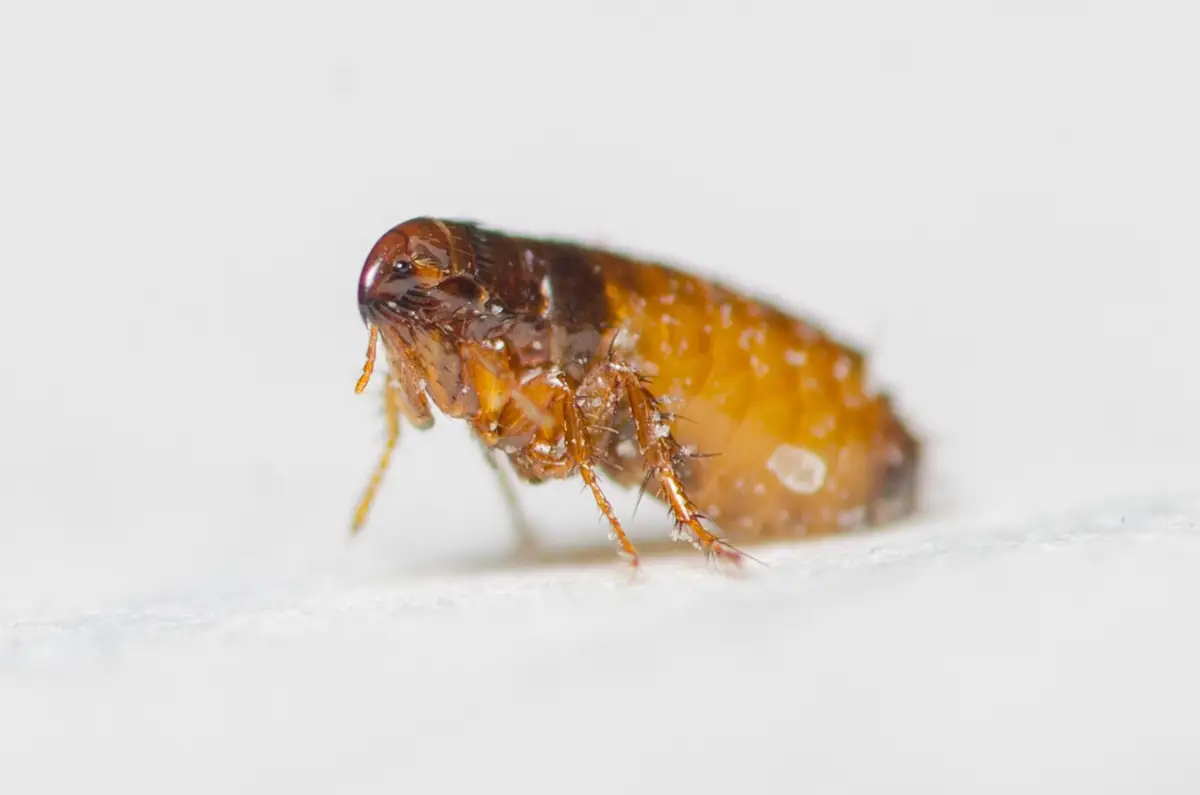
Red, itchy dots around your ankles after a night in a house that has been empty for a month: that is the typical start of a flea problem, and it often has nothing to do with whether you own a pet. This page explains where fleas come from, what a treatment involves and what to budget.
For the services we arrange beyond fleas, see pest control across West Auckland.
Why fleas turn up in empty homes
Most house fleas in New Zealand are cat fleas, whatever animal they came from. Adult fleas live on the pet, but only a small share of the population is adults: eggs, larvae and pupae sit in carpet, bedding and floor cracks. Pupae can wait for a while until vibration or warmth tells them someone has come home, which is why a flat that has been vacant can produce a sudden burst of fleas on the first day of a new tenancy.
This is the story behind the rental field note on fleas. It covers what to do before you carry the boxes in.
Where the pressure comes from in the west
We don't have local flea data, so this is our reading. West Auckland has a lot of rentals, and a lot of cats and dogs. The Western Initiative census summary says 83,589 occupied private dwellings were counted in 2023 across the Henderson-Massey, Waitākere Ranges and Whau local board areas, and 47.5% were mainly rented.
The Western Initiative area had 83,589 occupied private dwellings at the 2023 Census. Of these, 52.5% were owned, partly owned or held in a family trust, and the remaining 47.5% were mainly rented. This figure covers three local board areas, not one suburb.
Source: Auckland Council, Western Initiative 2023 census summaryA high share of rentals means a lot of moves, and moves are when fleas surface. Wild-bush edges add other animals, such as possums and rats, whose fleas can reach homes through roof spaces, though that is a different cause and usually a different treatment. If you think wildlife is the source, see rats and mice.
Signs you have fleas, not something else
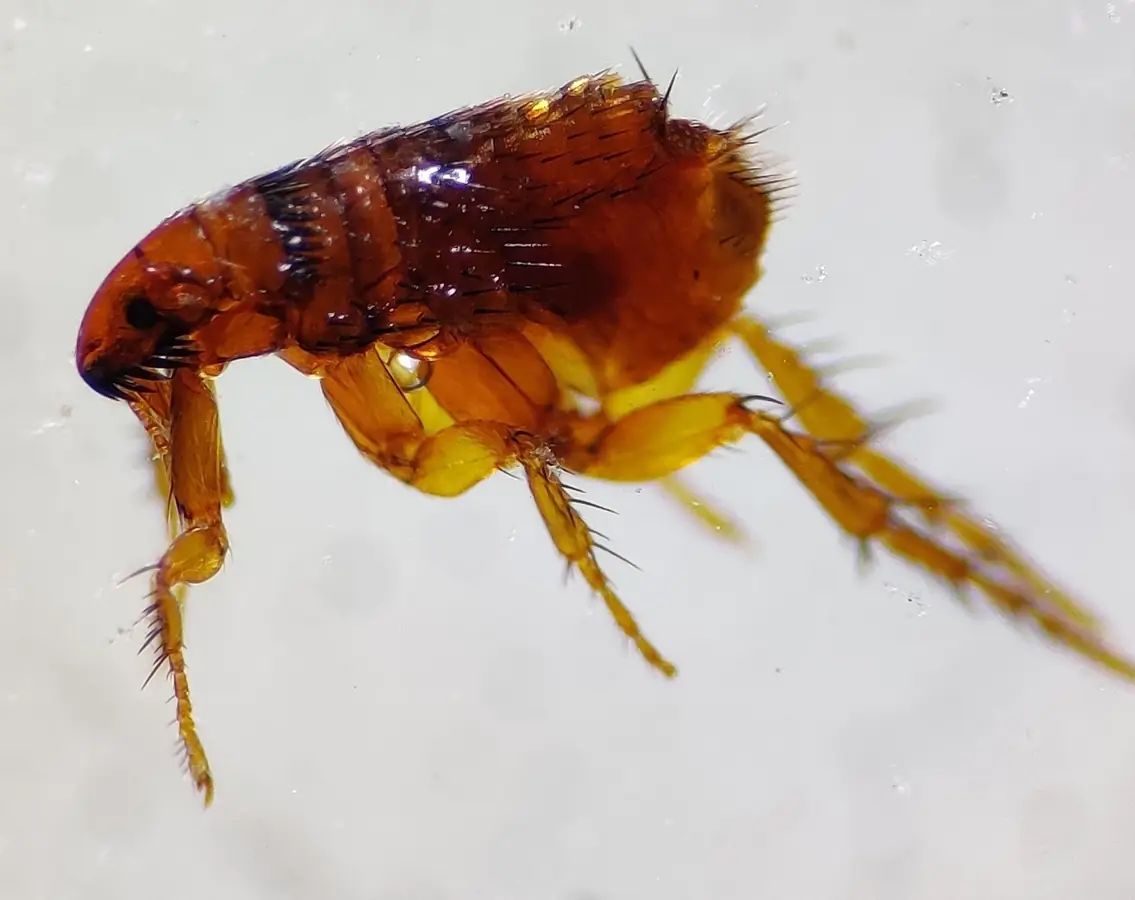
- tiny dark jumping insects on pale socks or a white sheet placed on the floor;
- clusters of itchy bites on ankles and lower legs, often in groups;
- pets scratching, with small black grit in the coat that turns red when dampened;
- sudden numbers in a vacuum bag.
Bed bugs, mites and mosquitoes cause similar bites, and the specialist will ask questions to help sort them. An accurate identification saves you paying for the wrong treatment.
The two-part plan
Fleas need two jobs done at once: the animal and the house.
The animal. Your vet can recommend a flea treatment for each pet, and that should be done on the same day as the house. Treatments for pets are a vet's decision, and we do not give advice on them.
The house. Vacuum all floors, mattress edges and upholstered furniture, then empty the vacuum outside. Wash bedding and pet bedding hot. Then a technician applies a treatment to carpets, floor edges and the other places where larvae hide.
Callback.
An assistant takes your details. A specialist asks about pets, rooms and when the problem started.
Preparation list.
You get a plain list: what to vacuum, wash and move before the visit.
Visit and written quote.
A technician looks at the property and quotes in writing.
Treatment.
Applied to the label, with directions for when you can walk on treated floors and when pets may return.
Follow-up.
Flea pupae can hatch after treatment. Keep vacuuming and expect some activity for a couple of weeks.
The product handling steps are on safety and products.
Treatment preparation for a rental
If you are a tenant, tell the landlord or property manager in writing and ask who will arrange the treatment. Tenancy Services publishes guidance on who is responsible for what, so check it before agreeing to pay. In a new tenancy, doing the treatment before you move your belongings in is easier, because floors are clear and nothing needs to be covered. Our how we work page explains how a booking goes.
Cost
These figures are indicative and were checked on 17 November 2026. They are not specific to West Auckland. Professional Pest Manager ran a survey of 108 respondents, which found an average flea treatment price of $263, with prices ranging from $120 to more than $500. An end-of-lease treatment averaged $191, within a range from $110 to $300 or more. One Auckland operator publishes flea and mite treatment from $199.
Our working range is $120 to $500, and that is wide because it depends on the number of rooms and how bad the infestation is. See the fleas and flies price guide for each source.
Do I need to treat my pet as well?
Yes, if you have pets, and on the same day. A house-only treatment leaves a reservoir on the animal. Ask your vet which product suits your pet.
How soon can I walk on the carpet?
Your technician will give a time for the product used. Pets and children should stay off treated areas until it has dried, and the label sets the exact wait.
I have no pets. Why do I have fleas?
Fleas can persist in carpets after previous occupants, or come in from a neighbour's pets, wildlife in the roof or an outdoor cat visiting the deck.
Will one visit be enough?
Often a second visit or a careful vacuuming routine is needed. Eggs and pupae are protected from many treatments, so some new fleas are expected after the first one.
Book a flea treatment
Call 09 872 7624 so an assistant can take your details for a specialist callback, or book a callback online. Tell us if you are moving in, or if a rental inspection is coming up, because timing changes the advice. You can also read what happens next first.