Borer inspection
Borer inspection in West Auckland: what the visit covers, what the treatment involves and what to do before and after the technician arrives.
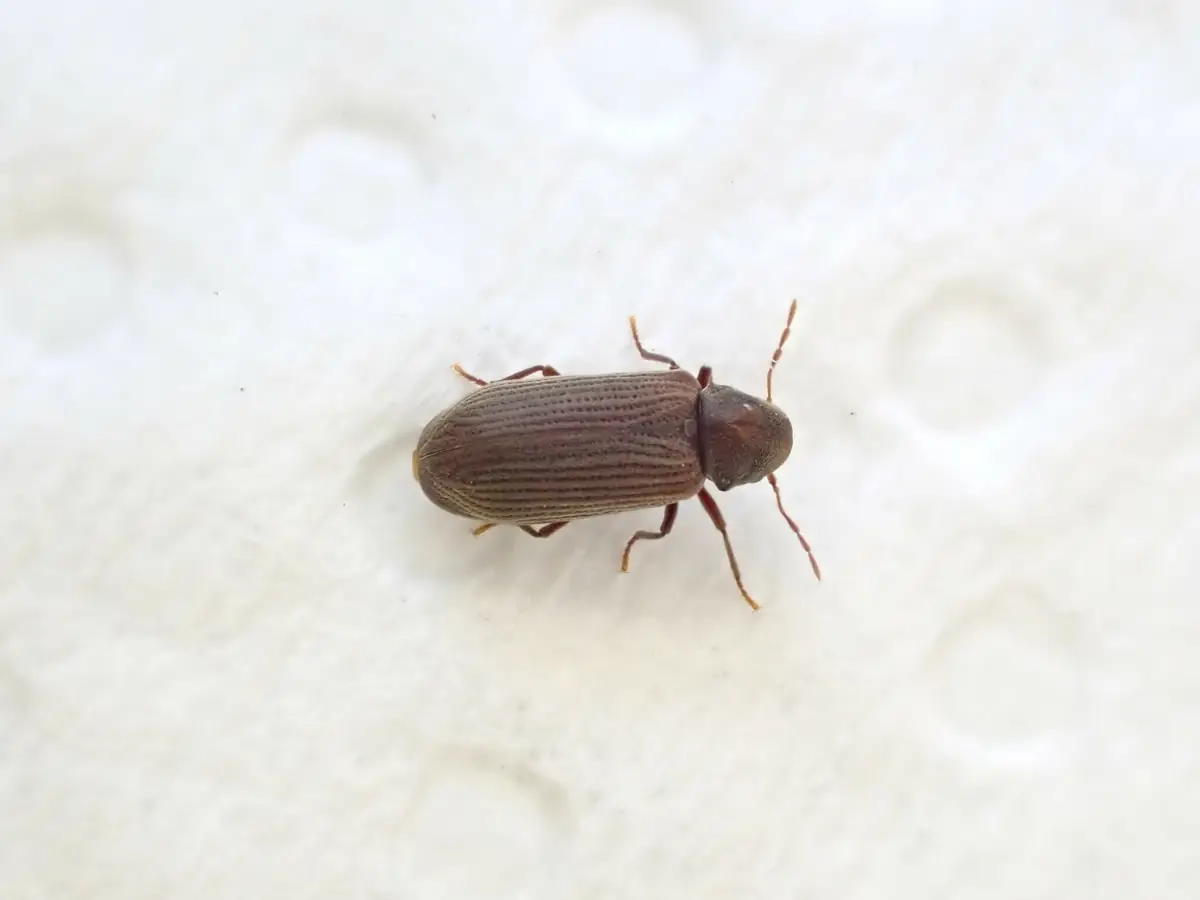
A borer inspection answers three questions: is there borer, is it active and what, if anything, should be done about it. It is an assessment of the timber you can reach, not a building report. This page describes what a visit covers and what you can do to make it count.
The wider topic is on the borer overview, and homebuyers may prefer the article on pre-purchase borer checks.
Why bother inspecting
Because the signs are easy to misread. Flight holes in a bearer can be forty years old, or last summer's. A bit of powder under a skirting board may be borer or may be dust. And houses in the west vary: villas near the centre of Helensville, weatherboards in Glen Eden, pole houses in Titirangi. Each has different places for damp to hide.
Consumer NZ says borer like moist untreated timber and are often found on the south side of buildings or in floor timbers because those areas are prone to damp. A good inspection goes there first.
Adults fly for about a month between November and March, so fresh holes and powder are most likely to be seen in and after that window.
Source: Consumer NZWhat the technician looks at
- Subfloor. Access hatch, bearers, joists, underside of floorboards, piles and the ground. This is where most active borer and damp problems are found.
- Roof space. Rafters, ceiling joists and any untreated framing, as far as it can be safely reached.
- Interior timber. Floors, skirting, window reveals and cupboards, especially on the south side.
- Exterior timber. Weatherboards, fascias, pergolas and any untreated decking.
- Moisture sources. Leaks, poor drainage, blocked vents and bare soil under the house.
Tapping and probing with a tool tells the technician how sound the timber is, and a moisture meter, where used, shows whether the wood is damp enough to support borer. The result is a written summary of what was found and a quote if treatment is recommended.
What the inspection can and cannot tell you
It can say whether signs of active borer are present in the areas reached, where they are concentrated and whether damp is likely to be feeding them. It can flag timber that looks weak.
It cannot see inside timber, behind linings or under floors with no access. It does not replace a structural opinion or a builder's report. If the technician finds timber that may be compromised, they will say so and you will need a builder or engineer to assess it.
Getting ready
- Clear the access to the subfloor hatch and any cupboard that covers it.
- Move boxes away from the walls in the rooms you are worried about.
- Note where you have seen holes or powder and bring photos if you have them.
- Tell us about leaks, past treatments and any renovations.
- Make sure the roof hatch is reachable.
Pets and children are fine in the house during an inspection, but keep them away from the hatches.
After the visit
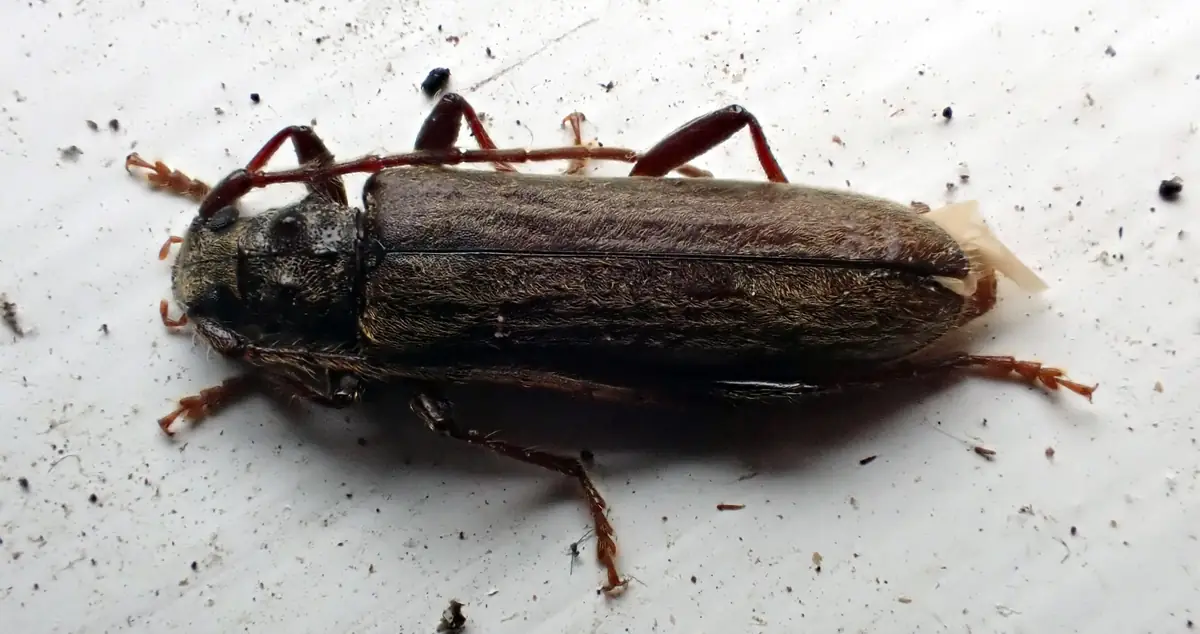
You receive a written summary of findings. If treatment is recommended, it comes with a quote that lists the areas and what will be done. You decide whether to go ahead; the quote does not commit you. The next step is described on the subfloor treatment page for most jobs.
Cost
We found no verified price for a borer-only inspection in New Zealand. The closest published figures, checked 17 November 2026, are for a general pest inspection: from $120 for one operator, and $100 to $200 on an unverified marketplace blog. A general pest inspection is not a borer inspection, so we do not use it as one. The specialist quotes after a look. The borer price guide explains what is and is not known.
Where inspections are asked for
Older housing in Avondale, Kelston and New Lynn generates plenty of requests, as do the villas and cottages around Helensville. In the bush-edge suburbs the focus is on damp and the south side of houses, which the Titirangi borer note explains.
Is the inspection the same as treatment?
No. It tells you what is there. Treatment is a separate job quoted from the findings.
How long does it take?
Plan on around an hour for a typical house. A big villa, a deep subfloor or lots of roof space takes longer.
Does it matter what season I book?
Borer is active in the timber all year, but adults emerge between November and March, which makes fresh holes easier to spot then. Inspections still work in winter.
Will you check for other pests?
If the technician sees signs of rodents, wasps or other pests under the house they will mention them. Separate treatment is a separate quote.
Book an inspection
Call 09 872 7624, or book a callback and a specialist will ring you. Our service in other areas is listed on the our main West Auckland page homepage, and what happens next shows the steps from call to visit.