Rats and mice in Piha and Karekare
Piha has trap lines running through the village and Karekare has its own Landcare group. For a house at the end of a long road, that sets the context.
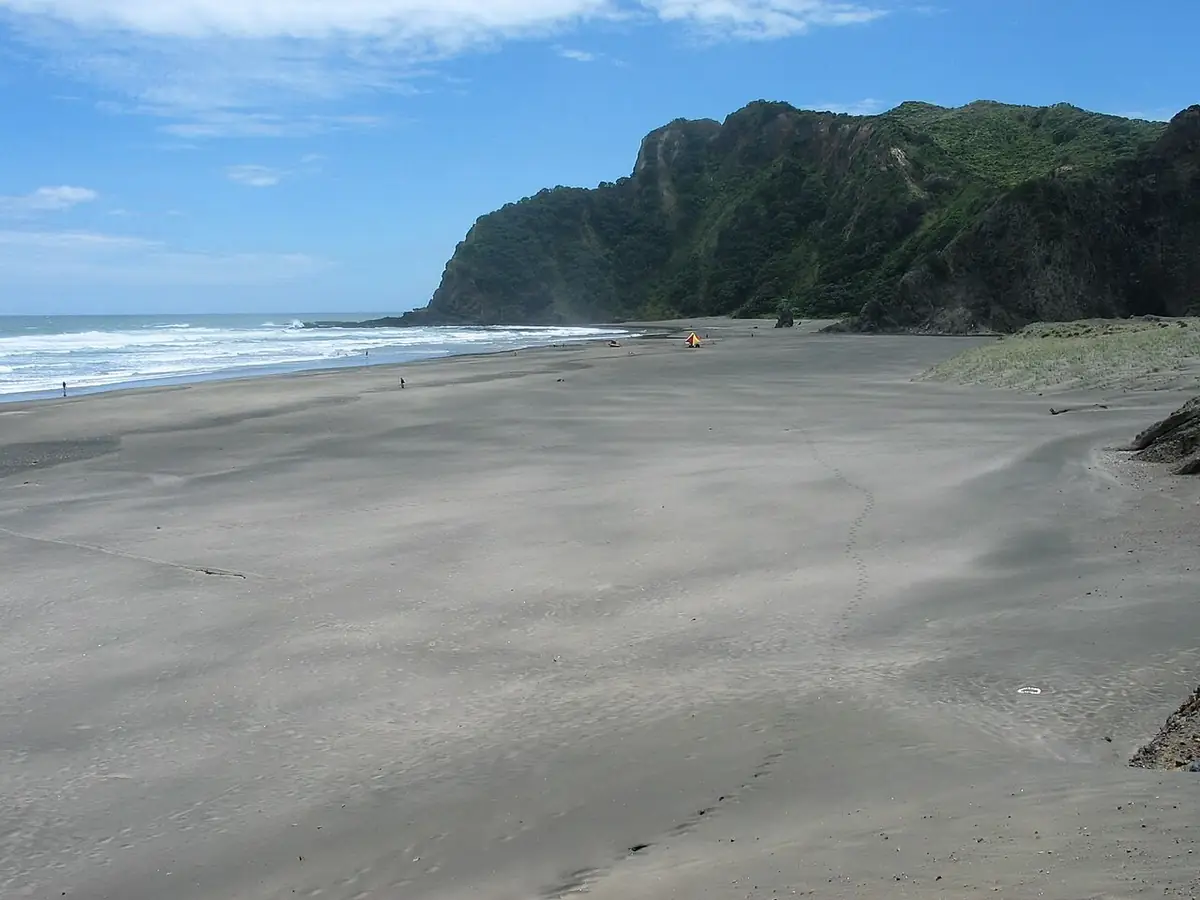
Piha is a place where predator control is part of the infrastructure. Trap lines run along local routes the way hedges and fences do elsewhere.
Pest Free Piha, active since 2018, has rodent and possum traps lining local baiting routes. The same article says possums have reached Lion Rock, where three have been caught, and that predator control protects grey-faced petrel nesting on Taitomo Island.
Source: The Trusts, December 2025Karekare has its equivalent. The Alliance directory lists Karekare Landcare for weeding, planting, monitoring, trapping, baiting and wasps. These are activity tags and no counts are published, so we do not state numbers for Karekare.
What the setting does
Piha had 1,044 residents in 411 dwellings at the 2023 census, according to Wikipedia, in a settlement of forest, dunes and the Lion Rock headland. Council open data puts 2,490 ha of Piha and 1,663 ha of Karekare in Significant Ecological Areas (measured 17 November 2026, boundaries generalised). Almost every property is a bush-edge property.
Our reading of the consequences:
- The roof comes first. The Department of Conservation describes the ship rat as a good climber that is common in lowland forest. With forest to the property line, expect the roof space and eaves to be the first point of entry.
- Holiday homes are different. Wikipedia records guest-house holidaymakers arriving in Piha around 1900. Many houses today are still used part-time. A house left empty for weeks with cupboard food or pet biscuits is a very comfortable place for a rat or mouse, so it is worth planning for that gap. We cannot give a count of holiday homes, and this is our inference.
- Pantry hygiene covers the gaps. Tight lids, an emptied fridge and a sealed bin matter more when nobody is home to hear the noise. A property that is left for weeks is checked best on the day you return, when fresh droppings are easy to spot.
Working alongside the trap lines
If a community line runs past your property, good. It reduces pressure. It does not cover the inside of your house, your subfloor or your shed. A technician inspects the building, quotes in writing and uses tamper-resistant stations and traps to label directions, as set out on the safety and products page. Say where you are and what you have noticed when you call, so the visit can be planned around the access.
What it costs
Published Auckland sources give about $199 to $300 for a standard job and up to $1,000 or more for large properties (checked 17 November 2026). A remote location can alter a quote, which is why prices are confirmed in writing after the property is seen. Details are on the rats and mice price page.
What to tell us when you ring
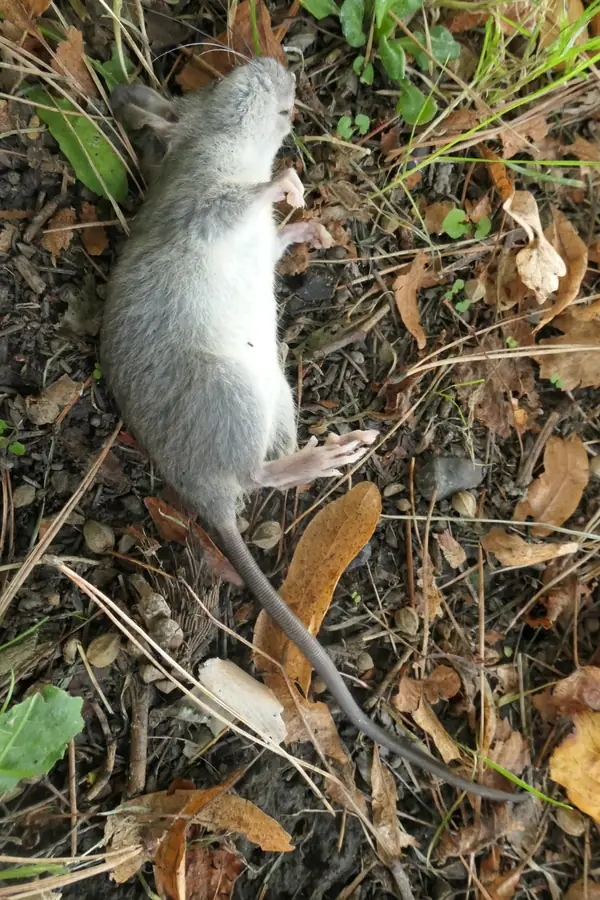
Access can be the longest part of the job, so say which road you are on and whether the drive is steep or unsealed. Tell us whether the house is lived in full-time, how long it has sat empty, what you have found and where. Mention any trap lines or bait stations from the community programme that run across your boundary, and any pets or visitors who will be using the house. Those details let the technician plan the visit properly before arriving.
Is the wasp programme connected to this?
It is a separate programme, though the same community group runs it. See wasps in Piha and Karekare.
My bach is empty most of the winter. What should I do?
Clear food, store dry goods in hard containers, close off gaps and have the property checked before the next season starts.
Next step
The Piha and Karekare suburb page covers the area, and the rats and mice overview explains a typical job, including rodent proofing. Ring 09 872 7624. An assistant takes your details and a specialist calls you back, or use the callback form.
Sources for this page
Where a source describes the place rather than pests, the pest relevance is our own reading.