Borer, damp and heavy rainfall near the Ranges
Wet foothills keep timber damp for longer. How moisture, ventilation and borer risk are linked in West Auckland houses.
Published
In this note
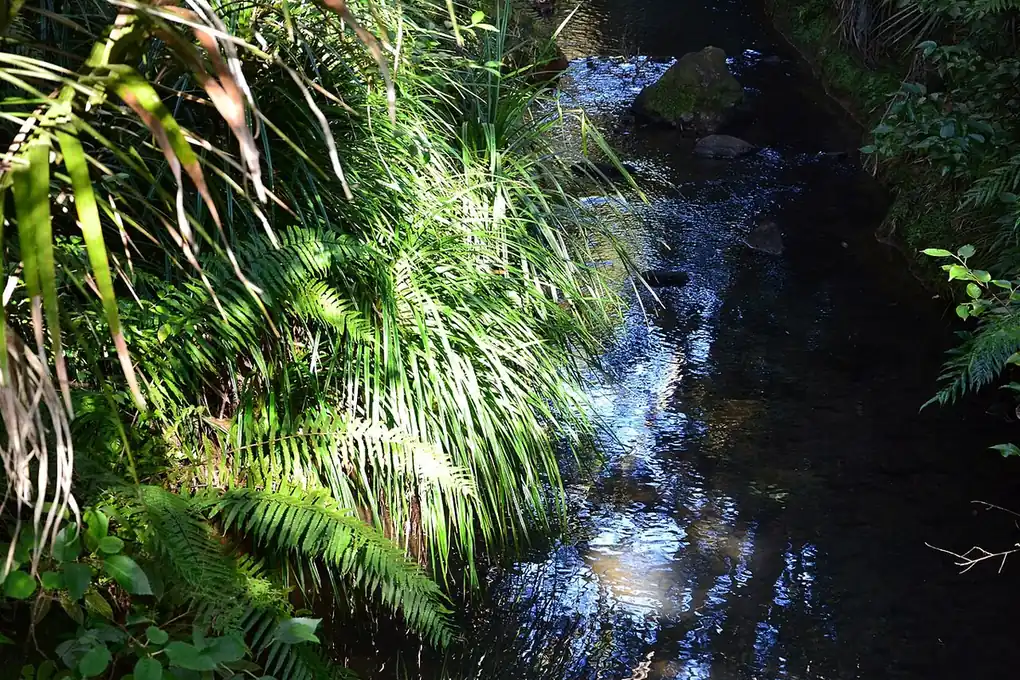
West Auckland is wetter than most of the city, and the nearer you get to the Ranges the wetter it is. That shows in the creek levels and the moss on the fence. It also shows, quietly, in the timber under the house.
Borer is a moisture story as much as a beetle story. This note links the rainfall and landform facts for the area to what happens to the subfloor, where to look and what to fix, so you can see why a house in the foothills might be at higher risk than one on a drier ridge. The borer overview sets the scene.
What the rain figures say
Auckland Council's State of Auckland freshwater report card for the West Coast reporting area, which includes the Waitākere Ranges local boards, gives a long-term mean rainfall of 1302 mm, with 1416 mm in 2017. The report notes that the longest record there is 10 years at Piha, so treat it as indicative rather than a long climate series.
The report gives a long-term mean of 1302 mm and 1416 mm for 2017 in the West Coast reporting area.
Source: Auckland Council, State of Auckland freshwater report card, West CoastThe report does not give a figure for the Ranges themselves. Our reading is that houses in the foothills, valleys and under tree cover see more rain, more drip from the canopy and slower drying than houses on open ridges.
How moisture and borer connect
Consumer NZ says borer like moist untreated timber and are often found on the south side of buildings or in floor timbers because those areas are prone to damp. Common house borer larvae can feed for up to four years, so a wet subfloor over several winters gives them a long run.
The reasoning is simple. Dry timber is a poor food source. Damp timber is easier to chew and holds more of the fungi that larvae use. Rotting wood also invites larger problems than borer alone.
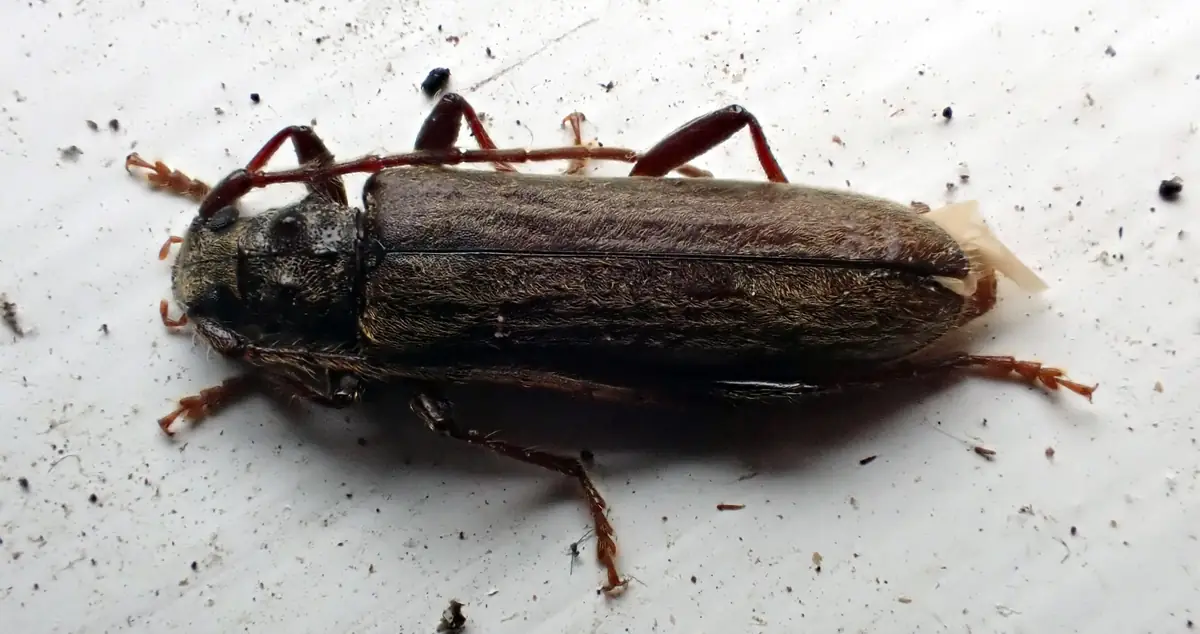
Consumer NZ says two-tooth borer, which can last up to 11 years in wood, are more common in bush-clad areas.
Source: Consumer NZ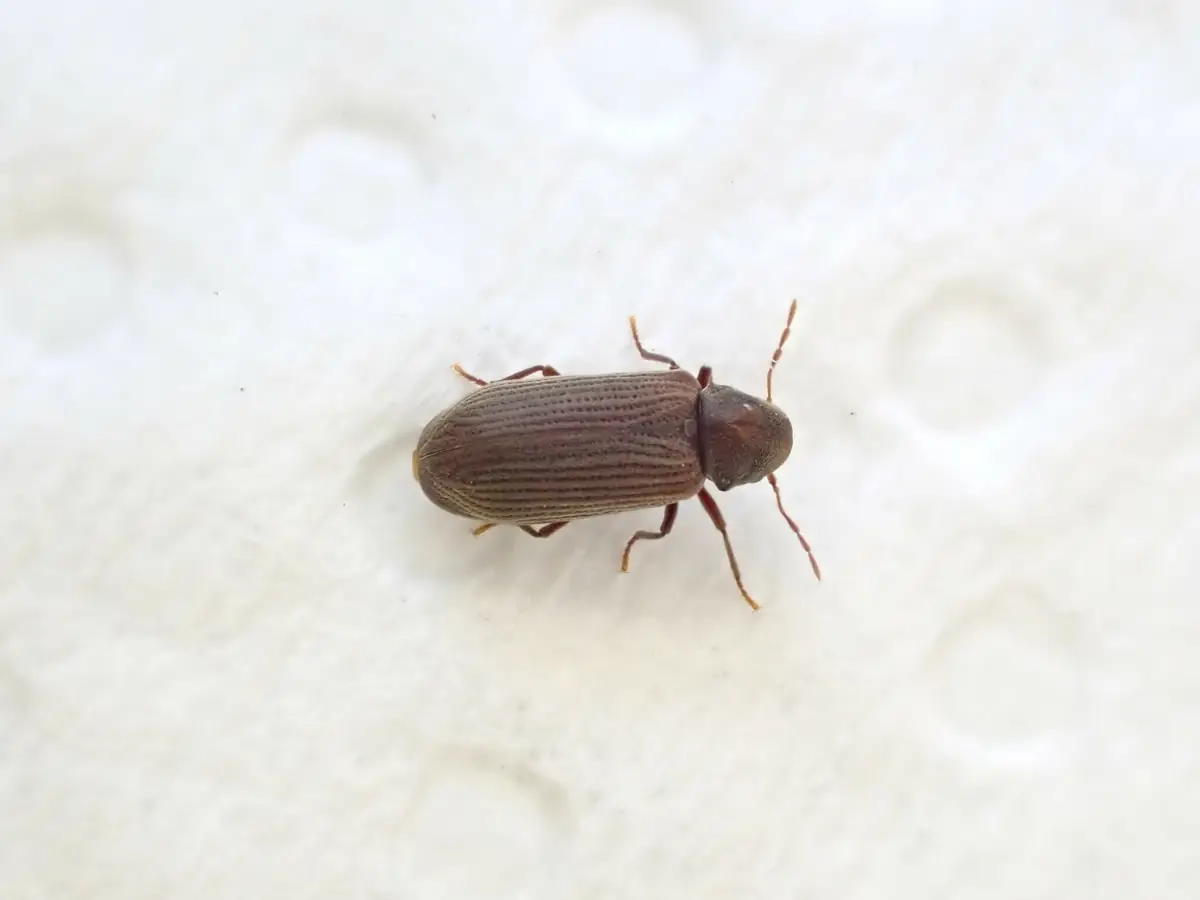
Landforms that hold water
Some sections are damper by nature. Auckland Council open data (measured 17 November 2026, boundaries generalised) show that Titirangi has 738 ha in a Significant Ecological Area overlay and 34.5 km of permanent stream, Laingholm has 324 ha in the overlay and 8.3 km of stream, and Piha has 2,490 ha in Significant Ecological Areas. That is bush-clad country by the council's own mapping.
Kumeū has a long record of flooding. A councillor's release published on Scoop says Kumeū and Huapai flooding goes back to 1926, when the post office flooded to 1.2 m, with five notable floods since, including August 2021 and two in 2023. RNZ reported in February 2025 that Auckland Council was proposing options for the low-lying town centre. In Rānui, RNZ reported that in the Auckland Anniversary floods of January 2023 the Momutu Stream overflowed onto properties on Camphora Place.
Our reading is that floors, subfloors and framing that sat wet or damp for days may take a long time to dry. It does not mean borer will appear, but it removes one of the barriers.
The moisture sources under the house
- Bare ground. Clay or soil exposed under the floor gives off moisture all year.
- Poor ventilation. Blocked vents, planting against the foundation and infill panels limit airflow.
- Leaks. Dripping waste pipes, a failing shower tray, a leaking hot-water cylinder or tap.
- Drainage. Downpipes discharging at the foundation, or a slope that sheds water towards the house.
- Gutters. Overflowing gutters that run down the wall and splash onto lower boards.
- Condensation. Damp air condensing on cold surfaces in unheated rooms.
A technician looking at borer is also looking for these. They can tell you which they see, but fixing them is a job for a plumber, drainlayer or builder.
What to do about it
- Clear vents of plants, soil and stored items.
- Make sure downpipes are connected and run away from the house.
- Cover bare soil in the subfloor with a ground moisture barrier where access allows. A builder can advise on the right type.
- Repair leaks promptly.
- Open the hatch and ventilate on a dry day, and check after a heavy rain.
- Keep firewood and timber off the subfloor and out of the soil.
These steps reduce risk but do not remove existing borer. If you have found signs, borer inspection tells you what the visit covers.
Local notes
The detail for particular suburbs is in the cell pages: Titirangi and Laingholm for the bush edge, Helensville for a flood-plain town with old kauri housing and Glen Eden for the foothills villas and bungalows. On the other side, the harbour and creek edge page covers low-lying coastal suburbs.
Treatment and damp together
Treatment protects timber against attack but does not dry it. If the subfloor stays wet, the preservative is working against a problem that continues. That is why we suggest treating borer and fixing the moisture source together. Subfloor treatment describes how that works in practice.
Costs are in the borer price guide: one operator-published "from" price of $199 for borer treatment, with no verified figures for inspections or subfloor work. These estimates were checked on 17 November 2026 and are not specific to West Auckland.
Is borer more likely in a wet area?
Our reading is yes: damp timber helps borer. Consumer NZ says moist untreated timber is what they favour.
My subfloor is dry. Do I still need to worry?
Dry timber is less attractive but not immune, especially around leaks, the south side or old untreated wood. If you see signs, have it checked.
Can flooding cause borer?
Flooding does not bring borer by itself, but it can leave timber damp for a long time. If a subfloor was inundated, make sure it dries and check for signs.
Should I dehumidify the subfloor?
A builder or ventilation specialist can advise. In most cases, improving airflow and stopping leaks gives most of the benefit.
Ask for a callback
Call 09 872 7624 or book a callback. For the rest of what we arrange across the area, see the full list of pests and suburbs.
Call 09 872 7624, or book a callback and a specialist will ring you.
Call now Book a callback