Pre-purchase borer checks for West Auckland houses
Buying an older house in the west: what a borer check covers, what it misses and how to read the result.
Published
In this note
You have found a villa in Avondale or a weatherboard in Glen Eden, the agent is talking about "character", and the offer is due on Friday. The builder's report says "evidence of borer in subfloor timber, recommend specialist advice". What now?
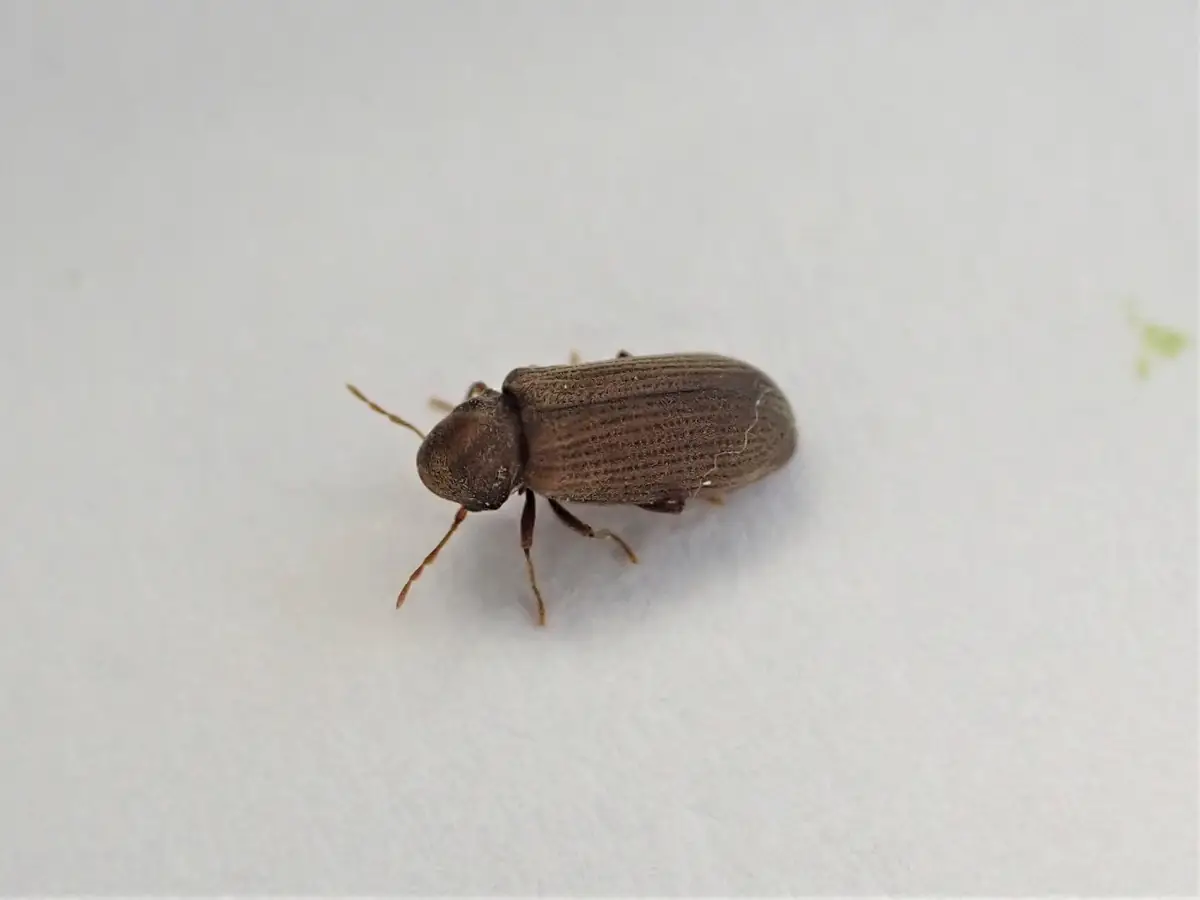
A borer check before you buy will not make the house perfect, but it can turn a vague worry into a defined job, and it gives you something to negotiate with. This note explains what a check covers, what it cannot see and how to use the result. For background on the pest itself, see borer in West Auckland.
Which houses get checked
Older timber houses, mostly. The Wikipedia entry for Glen Eden says suburban growth in the 1950s and 1960s brought mostly wooden homes, with some 1930s houses and post-war bungalows and weatherboards. Auckland Council open data show a special-character overlay of 33 ha in Helensville covering pre-1944 housing. The Helensville community history site mentions scores of old kauri cottages and villas near the centre.
Our reading is that those are the houses where the odds of finding old borer are highest: older timber, untreated framing and long exposure to damp. Newer houses in the Hobsonville and Whenuapai estates are more likely to have treated timber, though a check is not out of place on any building with exposed untreated timber.
What a pre-purchase borer check covers
It is the same visit as a normal borer inspection, with a focus on what a buyer needs.
- Subfloor timber: bearers, joists, floorboards from below.
- Roof space: rafters and ceiling joists, where accessible.
- Interior and exterior timber showing signs.
- Moisture indicators: damp, stains, leaks and ventilation.
- Whether signs appear active or old.
You receive a written summary. If treatment seems warranted, the check can include a quote for it, which you can use when you negotiate or plan the budget.
What it does not cover
It is not a building report. A builder's report looks at the whole house for structure, weathertightness and condition. A borer check does not replace it. It also cannot see behind linings, inside walls, under inaccessible floors or in sealed spaces.
Nor does it say how much a house is worth. That is a matter for a valuer and your own judgement. A few old flight holes in a skirting are not an issue. A damp subfloor with active attack in bearers deserves a conversation with a builder.
Reading the result
| Result | What it suggests | What to do |
|---|---|---|
| No signs seen | No evidence in the reached areas | Note access limits and carry on |
| Old holes only, no fresh powder | Past attack, probably inactive | Keep an eye on it, consider treatment |
| Active signs in non-structural timber | Local attack | Quote for treatment, negotiate |
| Active signs in bearers or joists | Possible structural concern | Get a builder's opinion, then decide |
| Limited access | Unknown areas | Ask for access to be created or price a risk |
Ask the technician to be plain about what they could not reach. A "no signs" result in a subfloor they could only half-see is weaker than it sounds.
The paperwork around it
A LIM, or Land Information Memorandum, from Auckland Council shows what the council holds on the property: building consents, notices and other records. It will not say whether borer is present, but it may show alterations, which hint at where new timber meets old. Ask your lawyer or agent about it.
Check the building report too. If a builder mentions borer, ask for the details and photographs. A report that says "borer noted" without location tells you little.
Timing and the season
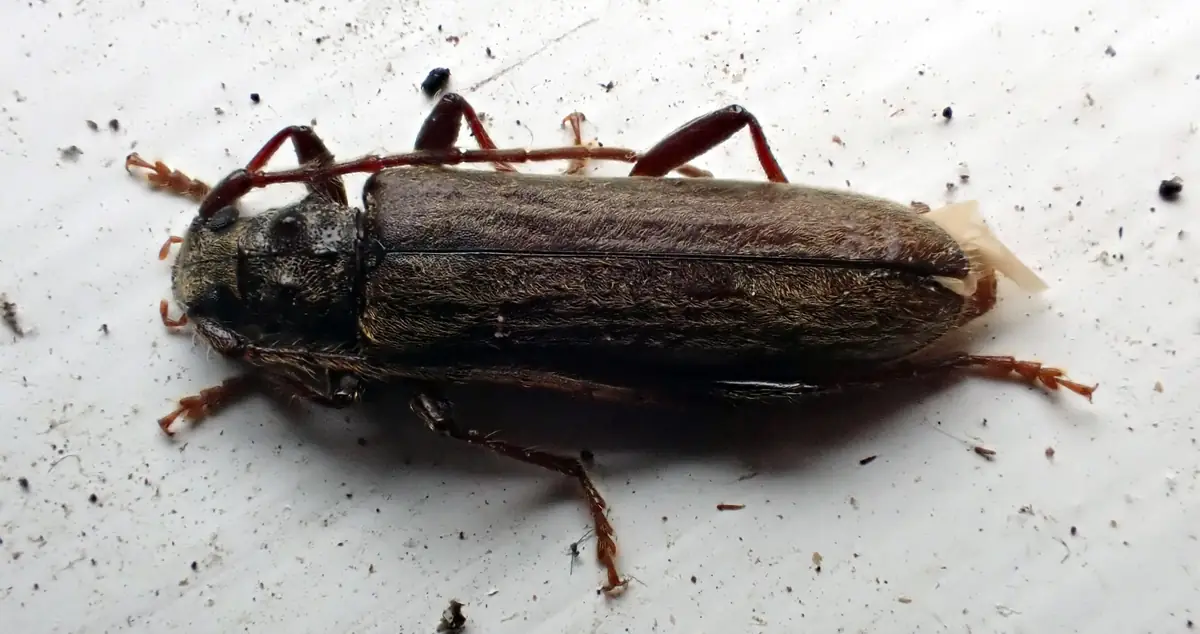
Borer is active in the timber all year, but Consumer NZ says adults fly for about a month between November and March. That is when you are most likely to see fresh holes and powder. A check in winter still finds timber damage and moisture but fresh signs are less obvious.
Consumer NZ says larvae can feed for up to four years, and that borer favour moist untreated timber, often on the south side of buildings.
Source: Consumer NZBook the check as early as you can in your due-diligence window. It needs access to the subfloor, and if the vendor is slow to provide it, you want time to chase.
Costs and the negotiation
We found no verified price for a borer-only inspection or subfloor treatment in New Zealand. The one published figure is an operator "from" price of $199 for borer treatment, checked 17 November 2026 and not specific to West Auckland. A real quote needs a look at the house. The borer price guide explains what drives it.
If the check finds active borer, a written quote gives you an agreed figure to raise with the vendor, or to include in your own budget. If you plan major renovation, tell the technician, because opening up walls and floors changes what is accessible.
What the check does not decide for you
It will not tell you whether to buy. Many people buy older houses with some borer and treat it as part of the maintenance. The question is whether the damage is manageable and the price fair. A house with extensive structural attack and persistent damp is a different thing from one with scattered old holes in skirting boards.
For bush-edge houses and pole houses, ask about moisture as well. The notes for Titirangi and Laingholm set out why the bush edge matters, and borer, damp and rainfall explains how moisture drives risk.
Tips for buyers
- Ask the vendor if the subfloor has been treated and when.
- Ask for access to the hatch and the roof space well before the deadline.
- Take photographs of any holes and powder you see.
- Keep the written summary with your other due-diligence documents.
- Talk to a builder before committing if the check finds active attack in structural timber.
Can I get a check before I make an offer?
If the vendor allows access, yes. Many people arrange it during due diligence after an offer conditional on reports.
Does the vendor have to fix borer?
That is a matter for your lawyer and the agreement. We do not give legal advice.
Is a check useful for a new build?
It is less likely to find anything, but timber in subfloors or decks may still be untreated. If you have concerns, a check can help.
Book a check
Call 09 872 7624 and an assistant takes your address and timeframe for a specialist callback, or request one online. The pest control across West Auckland homepage gives a wider look at the service.
Call 09 872 7624, or book a callback and a specialist will ring you.
Call now Book a callback