Spiders in Avondale
There is a spider named after Avondale, it is big, and it is not the one to worry about. Here is how to tell, and when a visit makes sense.
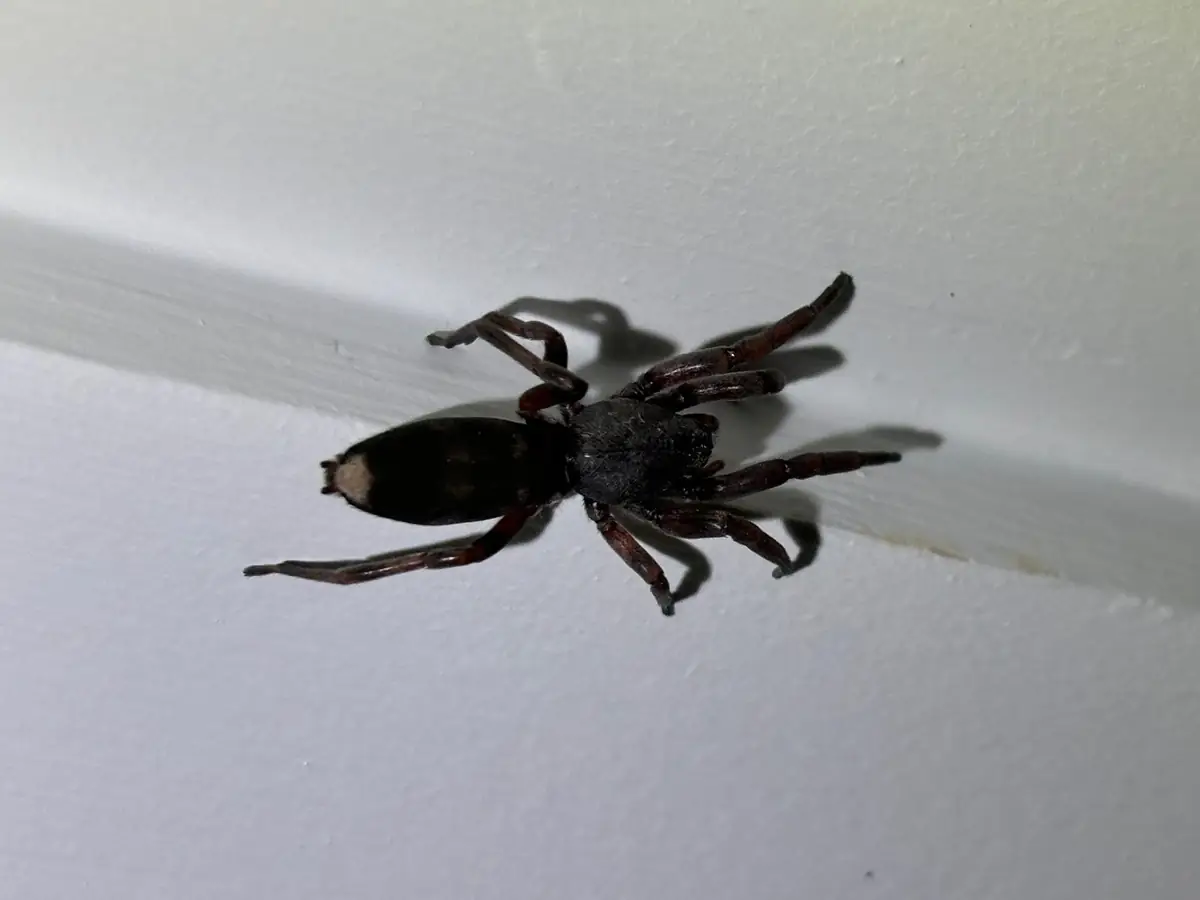
Plenty of people in West Auckland have found a palm-sized spider on a wall at night and wondered what it was. In Avondale there is a decent chance it is the one with the suburb's name on it.
Te Papa says the Avondale spider is an Australian immigrant that gets its name from the Auckland suburb where it first became established. It is a huntsman, pale fawn or grey and nocturnal, hiding by day under the loose bark of wattle trees. It does not use a web to catch prey. Te Papa calls it rather docile, with little inclination to bite anything other than suitably sized prey.
Source: Te Papa, collections topic pageWe have deliberately left out any introduction date, because we could not confirm one from a primary source we could open. What the museum page confirms is the name, the origin of the name and the behaviour.
What that behaviour means indoors
Three details in the Te Papa description do most of the work.
- Nocturnal. You see it when the lights go on or when it crosses a wall after dark, not through the day.
- Hides in loose bark and crevices. Inside, that means behind pictures, in the gap at the top of a curtain, behind a wardrobe or in a roof void. A flat, wide-legged body fits cracks easily.
- No web. It hunts by running, not by trapping. A large spider with no web in a corner is much more likely a huntsman than the web-builders that leave cobwebs on eaves.
Combined with its docile nature, that makes it a reassurance question more than a pest one. The practical advice is to catch it in a jar and put it outside, or leave it. Our note on white-tails, huntsmen and the Avondale spider compares the common spiders found in West Auckland homes.
Avondale's housing
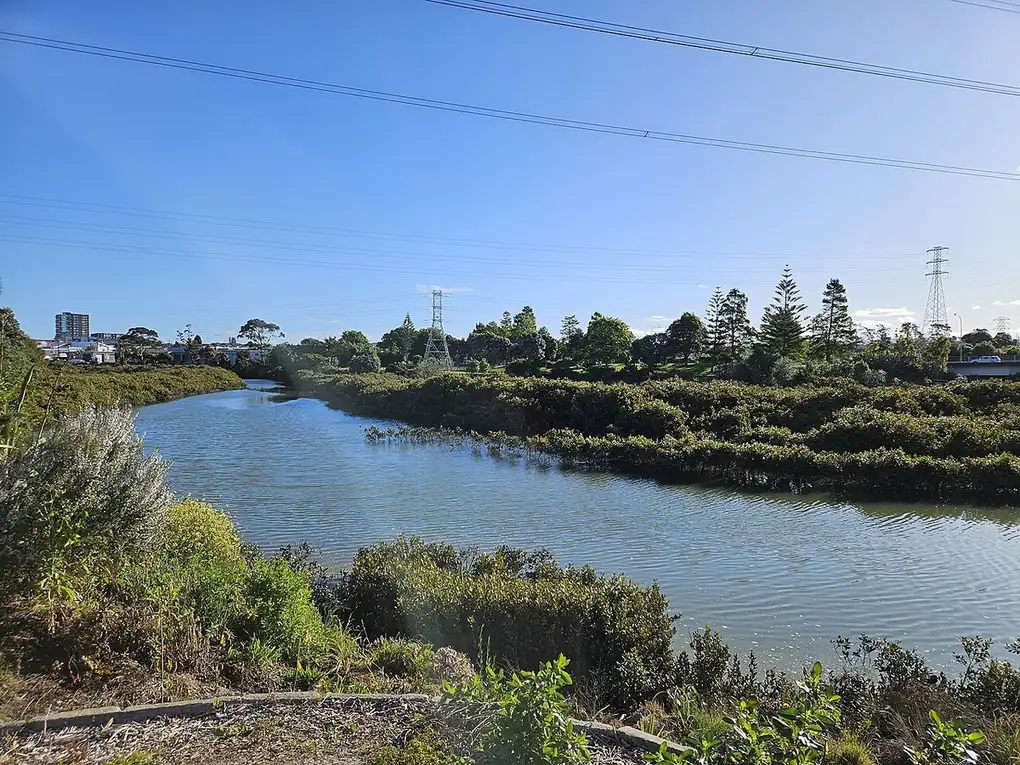
Avondale covers 768 ha. About 80 ha is Terrace Housing and Apartment Buildings zone, 146 ha is Mixed Housing Urban and 63 ha is Heavy Industry. About 62 ha is mapped flood plain and 10.7 km of permanent stream crosses the suburb (measured 17 November 2026, boundaries generalised).
Source: Auckland Council open dataOur reading is that a dense suburb with a mix of older houses and newer terraces, and with trees and streams running through it, provides a lot of crevices and a lot of insects. Huntsmen eat insects, so a house with plenty of flies, moths and cockroaches is a good hunting ground. This is an inference, and no survey records spider numbers for Avondale.
When treatment is worth it
A huntsman on its own is rarely a reason to pay for a treatment. These are the cases where we would visit:
- Numbers. If you are finding several a week, the house probably has an insect supply or lots of gaps.
- Webs under eaves and around lights. These are web-builders, not huntsmen, and a different problem. See our spider webs, eaves and outdoor lights note.
- Doubt about the species. If you are not sure what you have, a technician can identify it.
- A sensitive household. Someone nervous about spiders, or a small child's bedroom, can justify a visit.
Published Auckland sources put exterior spider treatment at about $150 to $300 and interior plus exterior at $200 to $400 (checked 17 November 2026). The price page for ants, cockroaches and spiders lists the sources. Treatment is quoted in writing after the visit, and products are applied to label directions under the Hazardous Substances and New Organisms Act.
Is the Avondale spider dangerous?
Te Papa describes it as rather docile, with little inclination to bite anything other than suitably sized prey. We are not giving medical advice. If someone is bitten and unwell, ring a doctor or 111 in an emergency.
Why was it named after Avondale?
Te Papa says it gets its name from the suburb where it first became established in New Zealand.
Arrange a visit
The Avondale suburb page covers the area, and the spiders hub explains how spider work is quoted. For rodents here, see rats in Avondale. To book, call 09 872 7624. An assistant takes your details and a specialist calls back, or use the callback form.
Sources for this page
Where a source describes the place rather than pests, the pest relevance is our own reading.