Why wasps peak in summer and autumn
Colonies grow all season and numbers peak late. What that means for nest size, risk and the best time to act.
Published
In this note
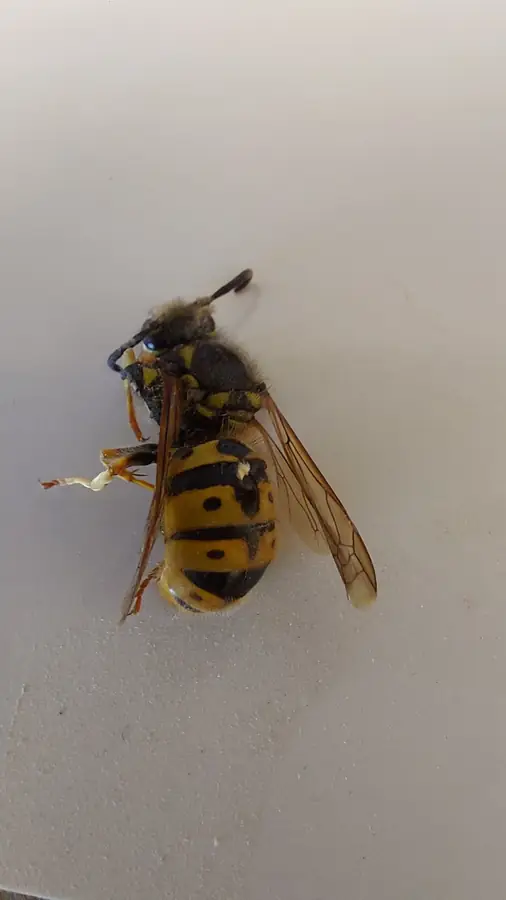
Spring feels quiet. Then in February a wasp lands on your beer and there seem to be dozens at the bin. People often assume the wasps have suddenly arrived. They have not. They have been growing all season, and the numbers you meet in autumn are the end of a long build-up.
Understanding that curve explains why early action is cheaper, why late-season treatment is more urgent and why community programmes time their baiting the way they do. For the practical side, the wasps overview gives the full picture.
The yearly cycle in brief
German and common wasp colonies start with a single queen who has overwintered. She wakes in spring, finds a sheltered hole, builds a handful of paper cells and raises the first workers. Those workers take over the feeding and building, and the queen stays inside laying.
From there the colony roughly doubles its way through the season. By midsummer it may have thousands of workers. In late summer and autumn the colony switches to producing new queens and males. Those leave to mate, and the old colony winds down with the cold.
In New Zealand there is an extra twist. DOC says colonies can become huge if they survive winter, helped by mild winters and plenty of food, and the country has some of the highest densities of German and common wasps in the world.
DOC says wasps have no natural predators here, winters are mild and food is plentiful, which is why numbers are so high.
Source: Department of ConservationWhy you see them most in autumn
Three things stack up.
- Size. The colony is at or near its largest in late summer and autumn. More workers means more foragers.
- Appetite. Workers collect protein for larvae early on, then more sugar as the colony shifts. Sweet drinks, fruit, ice cream and rubbish bins become attractive.
- Contact. Gardens are in use, windows are open and fruit is ripe. Wasps and people simply meet more.
Our reading is that the sense of a "sudden" wasp year is often a mild winter followed by a warm spring, because a colony that gets a head start grows larger. The Harbourview-Orangihina Park restoration plan, written for Te Atatū, says mild winters and warm springs favour increased wasp densities.
What the timing means for treatment
A nest found in November is small. It may have a few hundred wasps. The same nest in March can hold many thousands and fill a wall cavity. A bigger nest costs more to treat, is more likely to need a second visit and brings more risk.
The price pages show that gap. Standard nests sit in a lower band and hard-access ones in a higher one, as the wasp price guide explains. Prices there are estimates from public sources, checked 17 November 2026, and not specific to West Auckland.
If you find a nest at any point in the season, the best time to ring is the same day. If you are checking the garden in spring and see a queen investigating a hole, you have a head start.
How community programmes use the curve
Pest Free Piha ran a wasp pilot in Te Ahuahu Rd that cut numbers by an estimated 70%. The programme uses protein bait put out from around late February to mid-March, aimed at German and common wasps, not paper wasps. That timing makes sense: late summer is when workers are collecting protein in large numbers.
The 2021 update gave a target of at least 85% success and said over 100 residents had responded.
Source: Pest Free PihaPest Free Piha says it now has 476 bait stations installed across Piha. Other local groups, including Pest Free Waiatarua, which covers Waiatarua and Oratia, run wasp blitz weekends. They are valuable at street and valley level.
A household nest still needs its own treatment, because bait does not reliably deal with a nest right beside the house. See Piha and Karekare and Oratia for how those places approach it.
What peak season looks like in practice
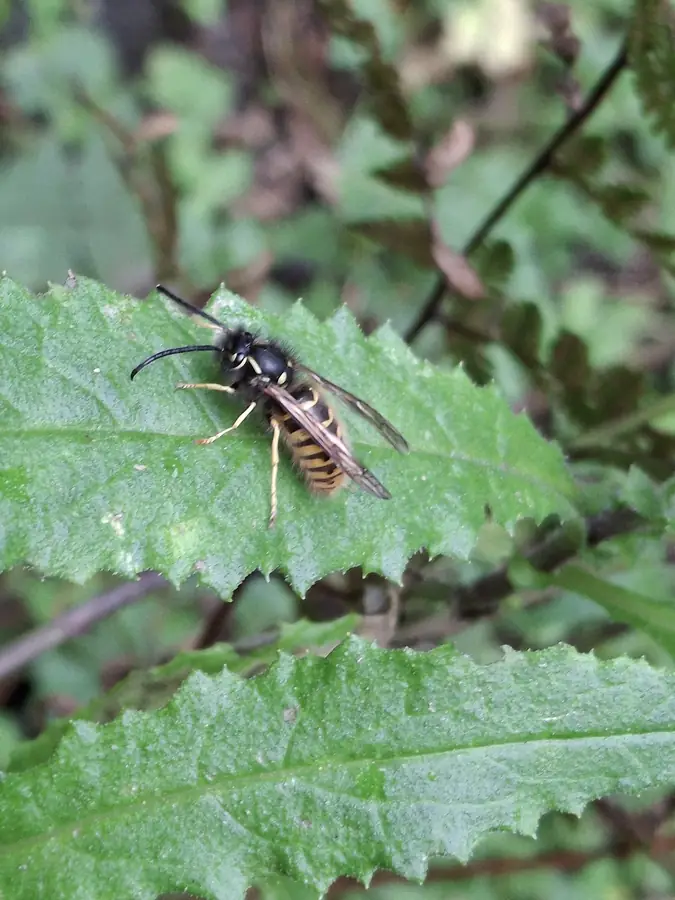
- Wasps hovering at the bin, the compost and the recycling.
- Dead wasps floating in water bowls and pet drinking dishes.
- Fruit with hollowed holes.
- More stings, usually on bare feet, in a glass or on a hand reaching for a drink.
- Hidden nests that suddenly start to show through plasterboard.
At that stage the colony may be large enough that a technician will quote for a harder job. Our wasp nest removal page explains what to expect.
Practical steps for the season
You cannot stop the cycle, but you can make life harder for wasps:
- Keep bins closed and rinse recycling.
- Pick up fallen fruit often.
- Cover sweet drinks outdoors, and check cans before you sip.
- Keep pet food indoors.
- Look in sheltered spots in spring: under decks, in sheds, along fence lines and at the base of hedges.
Fruit trees are a magnet. Wasp nests in vines and fruit trees covers rural and orchard settings in detail.
When winter ends it
Most colonies die off when winter arrives, and the old nest is not reused. Queens find new sites. In milder spots some colonies survive, and DOC notes this is when nests become huge. If you find a nest in winter that is still active, ring anyway: it may be a survivor, and it will be large.
Is a wasp problem always worse in autumn?
The nests are bigger and the wasps are hungrier, so you notice it more. The best time to act is when you first see activity, whatever the month.
Do wasps die in the first frost?
Frost kills many workers and ends most colonies, but queens survive in sheltered places and the nests in warm cavities can last longer. Do not assume a nest is dead because it is cold.
Should I wait until the colony is bigger?
No. A bigger colony costs more and has more wasps to deal with. Ring as soon as you see traffic.
Ring or book
Call 09 872 7624 or ask for a callback. The our West Auckland service homepage lists the rest of what we arrange, and what happens next explains the visit.
Call 09 872 7624, or book a callback and a specialist will ring you.
Call now Book a callback