Borer in Helensville
Helensville has scores of old kauri cottages and villas, and the council has mapped 33 hectares of it as special character. That is where borer questions come from.
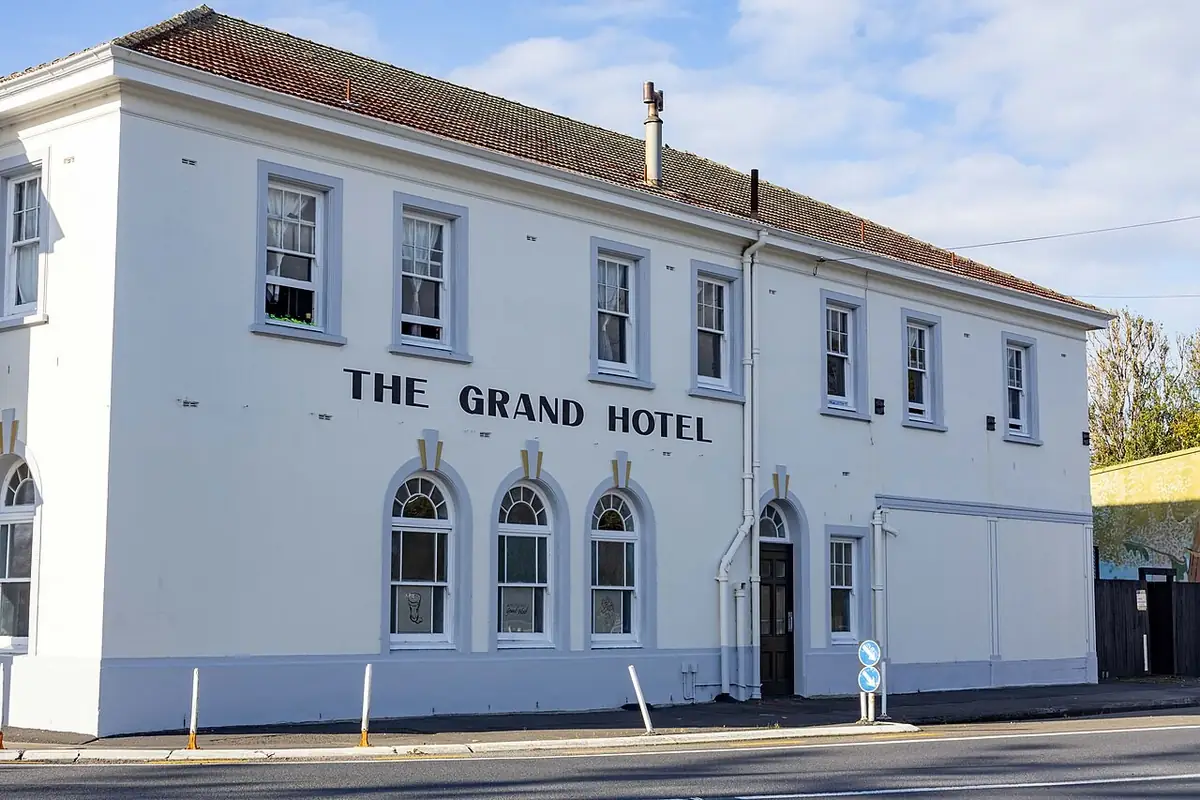
Borer shows up in houses of a certain age, built in a certain timber. Helensville has more of them than most of West Auckland.
The community history site says the Kaipara Dairy Company, established in 1911, became the town's largest employer, the dairy factory closed in the late 1980s, and the town has scores of old buildings, especially kauri cottages and villas close to the town centre. It is not an official body.
Source: Helensville Online (community history site)The council's own mapping backs the idea up.
The special-character overlay, which covers older pre-1944 housing, covers 33 ha of Helensville. In the same boundary, 3,022 ha is mapped as flood plain (measured 17 November 2026, boundaries generalised).
Source: Auckland Council open dataThirty-three hectares is not much of a district whose boundary is 13,186 ha, but the community history places the old cottages and villas near the town centre, so our reading is that the overlay covers those streets. The council data do not say which streets. That makes this a localised issue, not a district-wide one.
What Consumer NZ says about borer
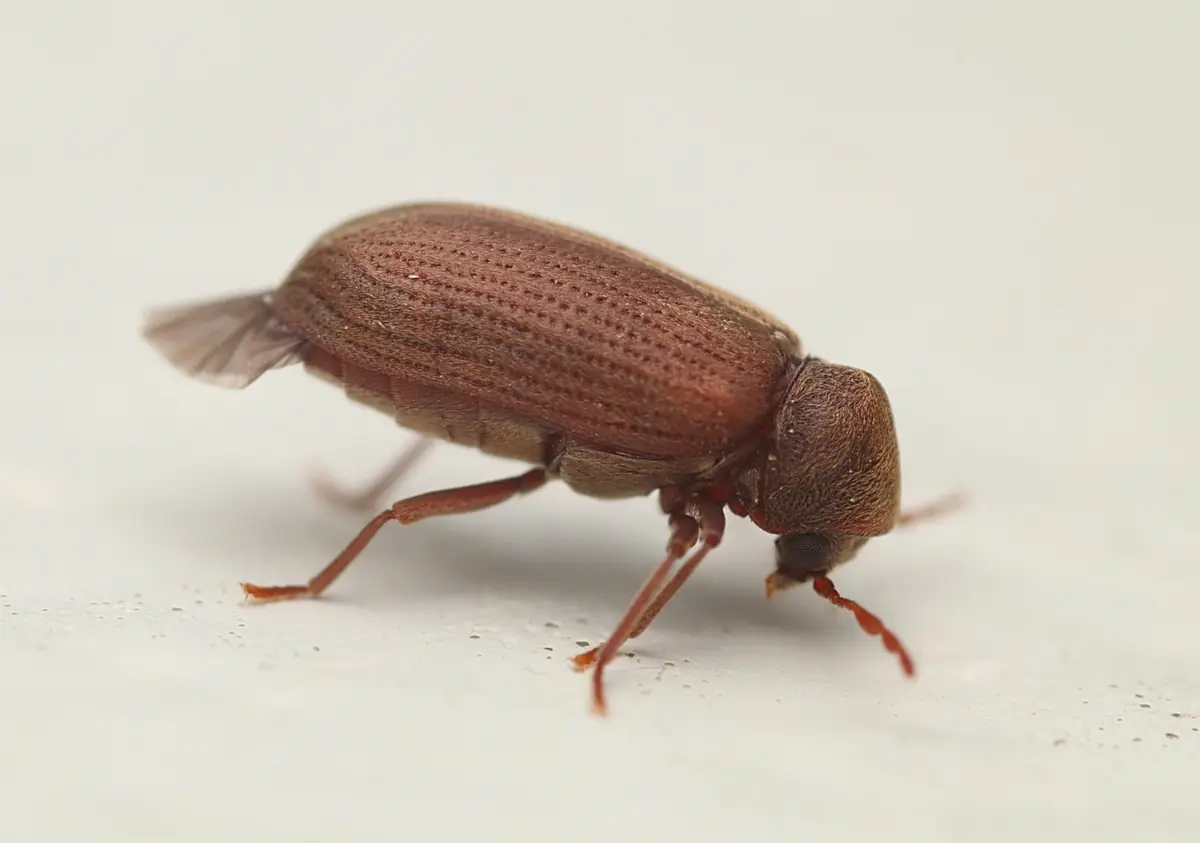
Up to seven borer species are found in New Zealand, and Consumer NZ names the common house borer as the usual culprit. It favours damp, untreated wood. Floor timbers and the south side of a building are typical spots, since they stay wet longest. The beetles emerge and fly for roughly a month somewhere between November and March, while the grubs tunnel for as long as four years.
Three things from that matter in an old Helensville house:
- Damp. Wet ground matters here. The suburb sits on what Wikipedia describes as a traditional wetland and flood plain for the Kaipara River. Our reading is that damp subfloors and poor ventilation are more likely on low, wet sections, though we have no survey of Helensville houses.
- Untreated native timber. Kauri and other native timber in a pre-war cottage was not treated the way modern framing is. Borer prefer untreated wood.
- The calendar. If you see fresh flight holes or powder in summer, the adults have just emerged. A technician can then assess whether the activity is current.
Signs in a cottage or villa
- Small round holes in floorboards, skirting, joists or bearers.
- Fine, pale powder, called frass, on a surface below the holes.
- Floors that feel soft underfoot or timber that crumbles when poked.
- Damp patches or a musty smell under the house.
A pin-sized hole is not proof of live borer. Old flight holes remain forever. The question is whether the powder is fresh and whether the timber is sound, and that is what an inspection answers. Our borer inspection page and subfloor treatment page set out what is checked and what is done, and our note on borer holes in villa subfloors covers the most common find.
Buying here
Anyone buying a pre-1944 house in Helensville should ask for a borer check before settling. See pre-purchase borer checks for West Auckland houses.
Cost
We found one published Auckland operator price for borer, from $199, which is a starting point and not a typical job. There is no verified published price for inspection or subfloor work, so these are quoted after the property is seen. See the borer price page.
Is borer in a Helensville house a sign it needs to be demolished?
No. Many old houses carry borer in some timbers. The question is how much and where.
Does ventilation matter?
Consumer NZ links borer to damp. Keeping the subfloor dry and ventilated is the main thing you can do.
Next step
The Helensville suburb page covers the town, the borer hub explains the options and our page on rats in Helensville covers the other common subfloor visitor. Call 09 872 7624. An assistant takes your details for a specialist callback, or use the callback form.
Sources for this page
Where a source describes the place rather than pests, the pest relevance is our own reading.